
I book dream vacations.
Cruises. Family trips to Disney and Universal. All-inclusive honeymoons. I plan it, watch the price, and stay reachable while you're gone.
And guess what? It's free.

Grab the free guide.
The stuff experienced cruisers do automatically and first-timers find out on day six. Six pages. No fluff.
You'll also get my weekly cruise tips. Unsubscribe any time — your email stays with me.
Why book with an advisor?
- Same price as booking direct. Often lower, with extra perks.
- I re-shop your fare when prices drop. You never pay more than today's rate.
- One person to text when something goes sideways — before, during, and after.
- Cruises, Disney, Universal, Sandals, Margaritaville. Certified, not just enthusiastic.
Port guides
Free, no sign-up. Written for families who want the port day to go smoothly, not for people trying to see everything.
Alaska
The Inside Passage ports, plus the two cities most Alaska cruises leave from.

Juneau
Mendenhall Glacier, whale watching, and the tram — which ones are worth the money.
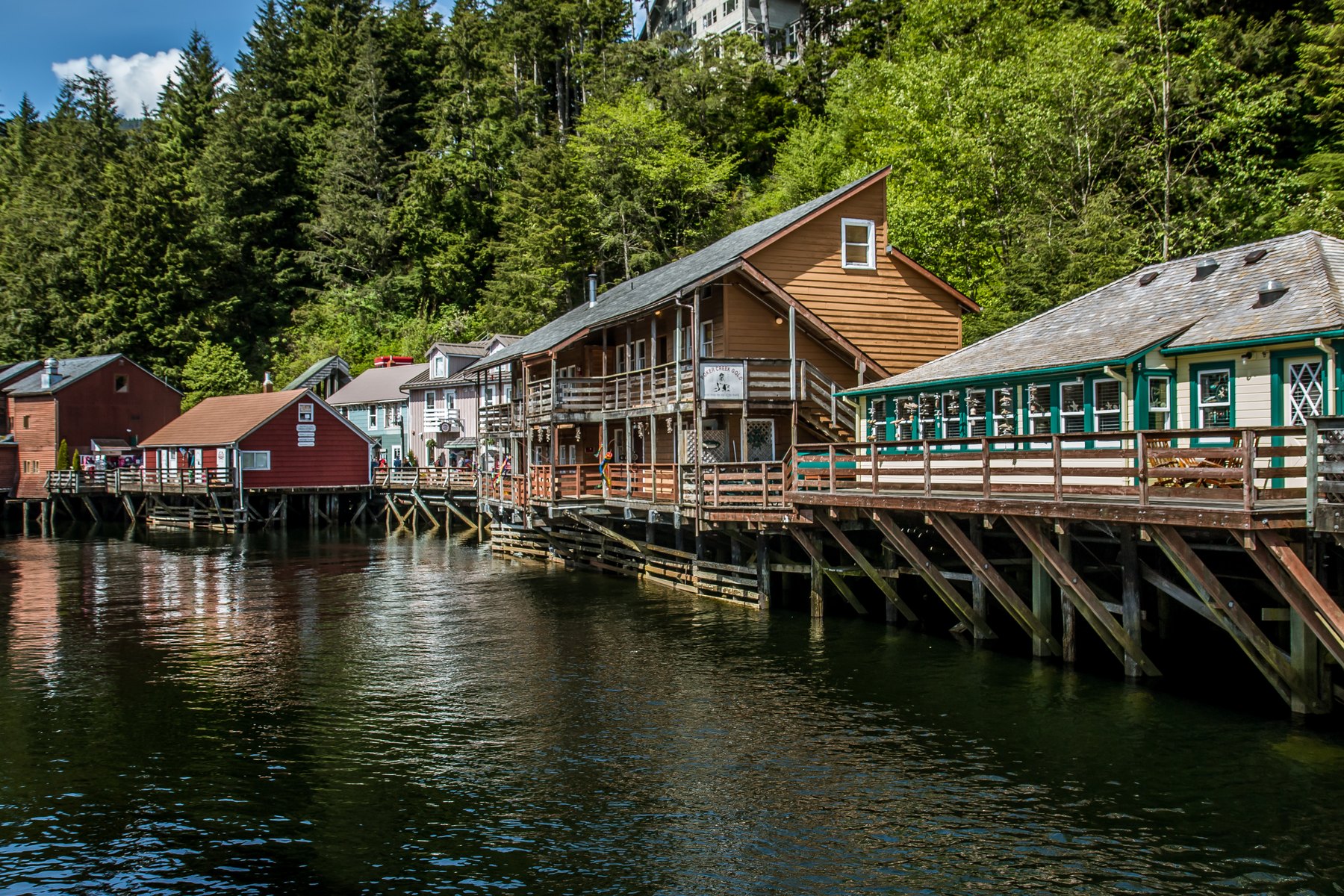
Ketchikan
Creek Street, totem parks, and the lumberjack show with kids.
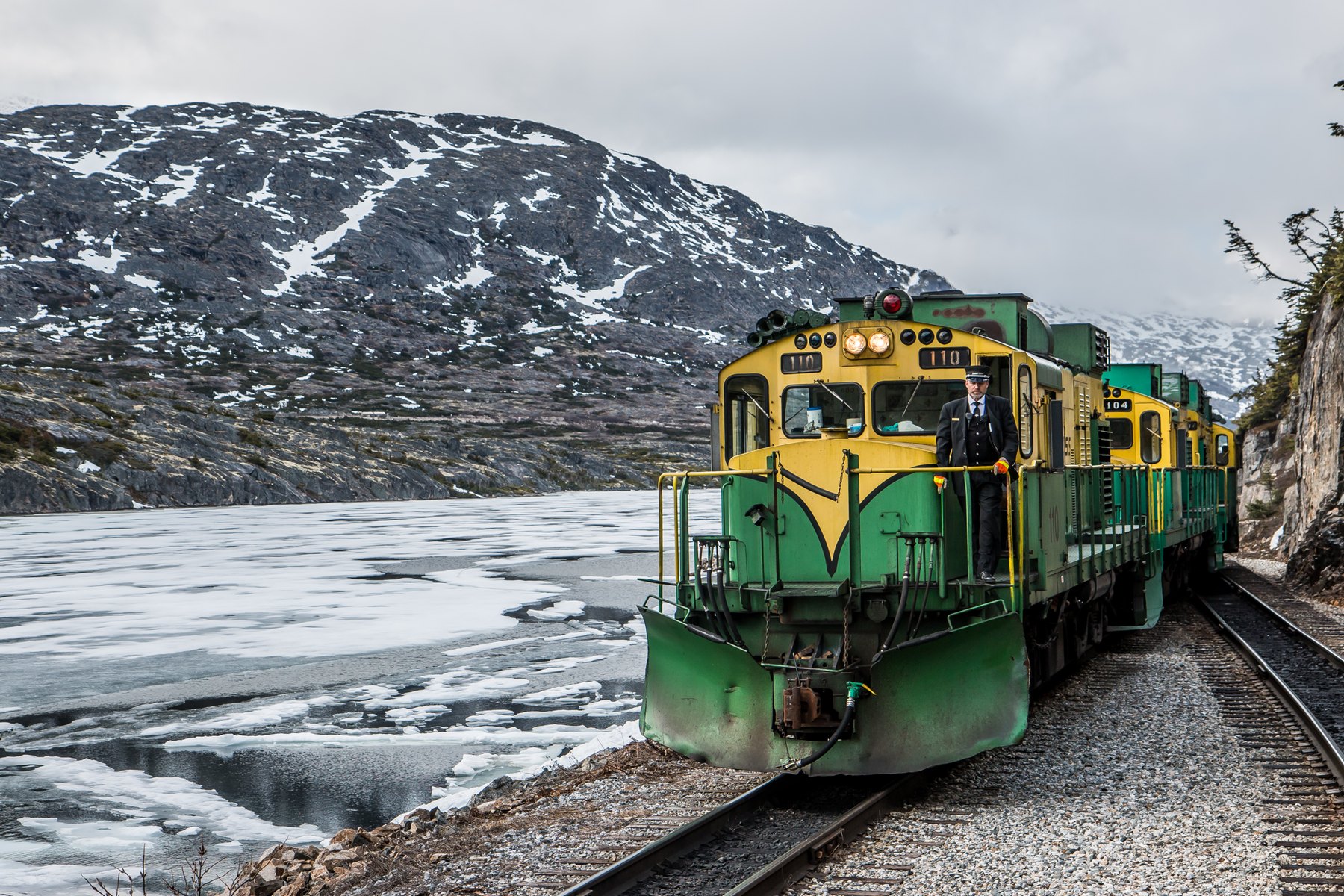
Skagway
The White Pass railroad: book through the ship or on your own?
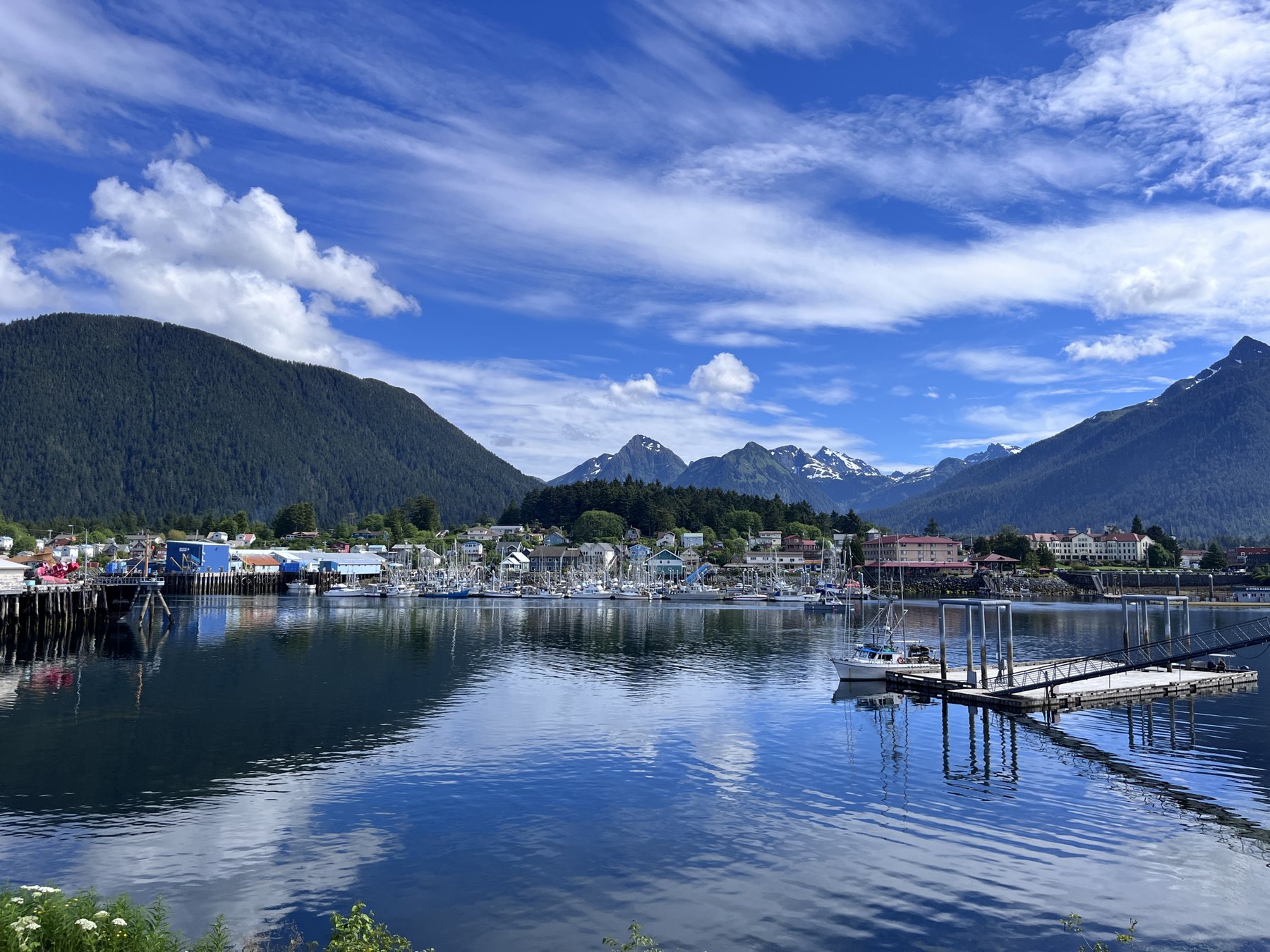
Sitka
Small, walkable, and the best wildlife stop on the route.
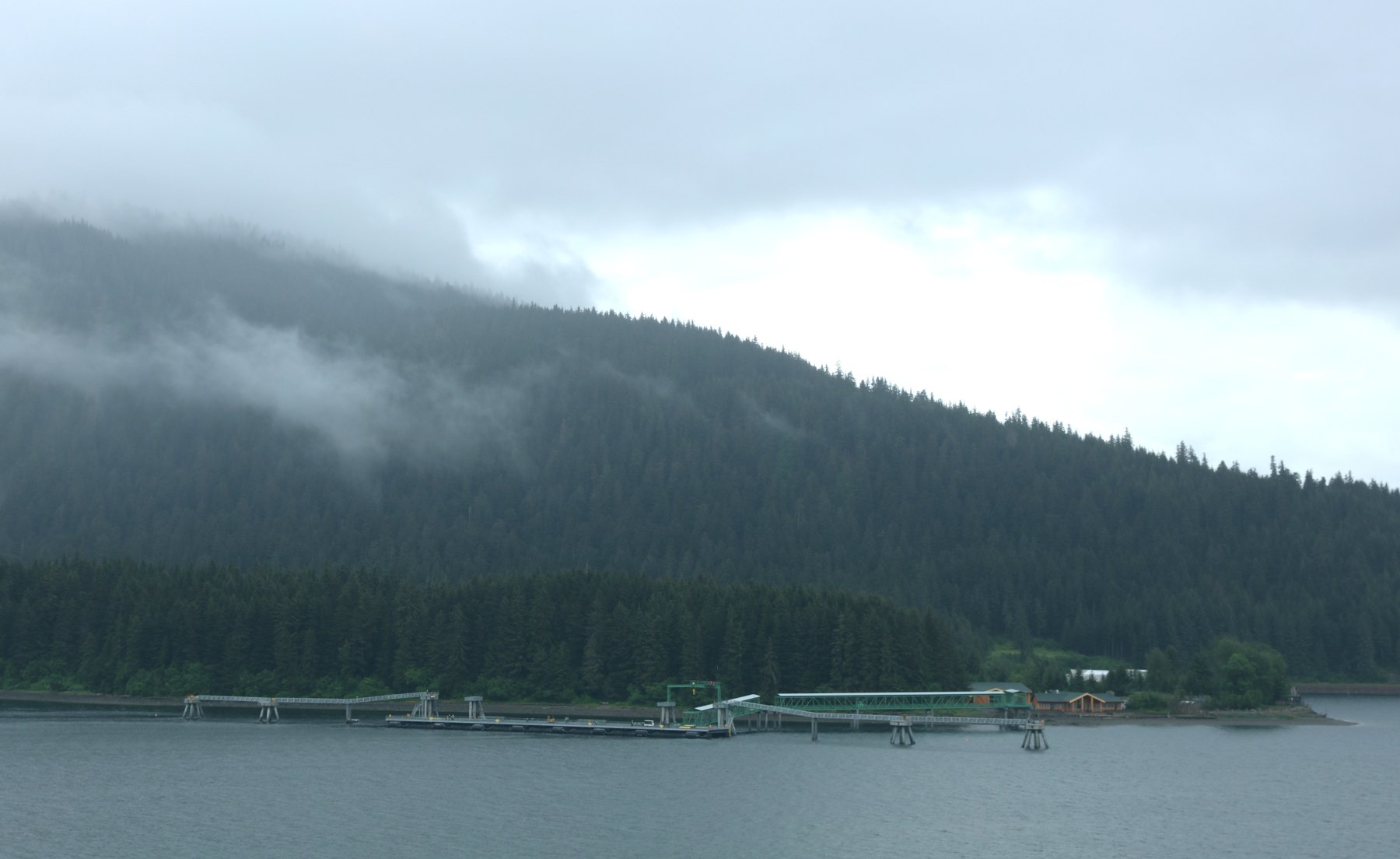
Icy Strait Point
Hoonah, the zipline, and why this is the sleeper favorite.

Glacier Bay & Hubbard Glacier
Scenic cruising days — where to stand and what to bring on deck.
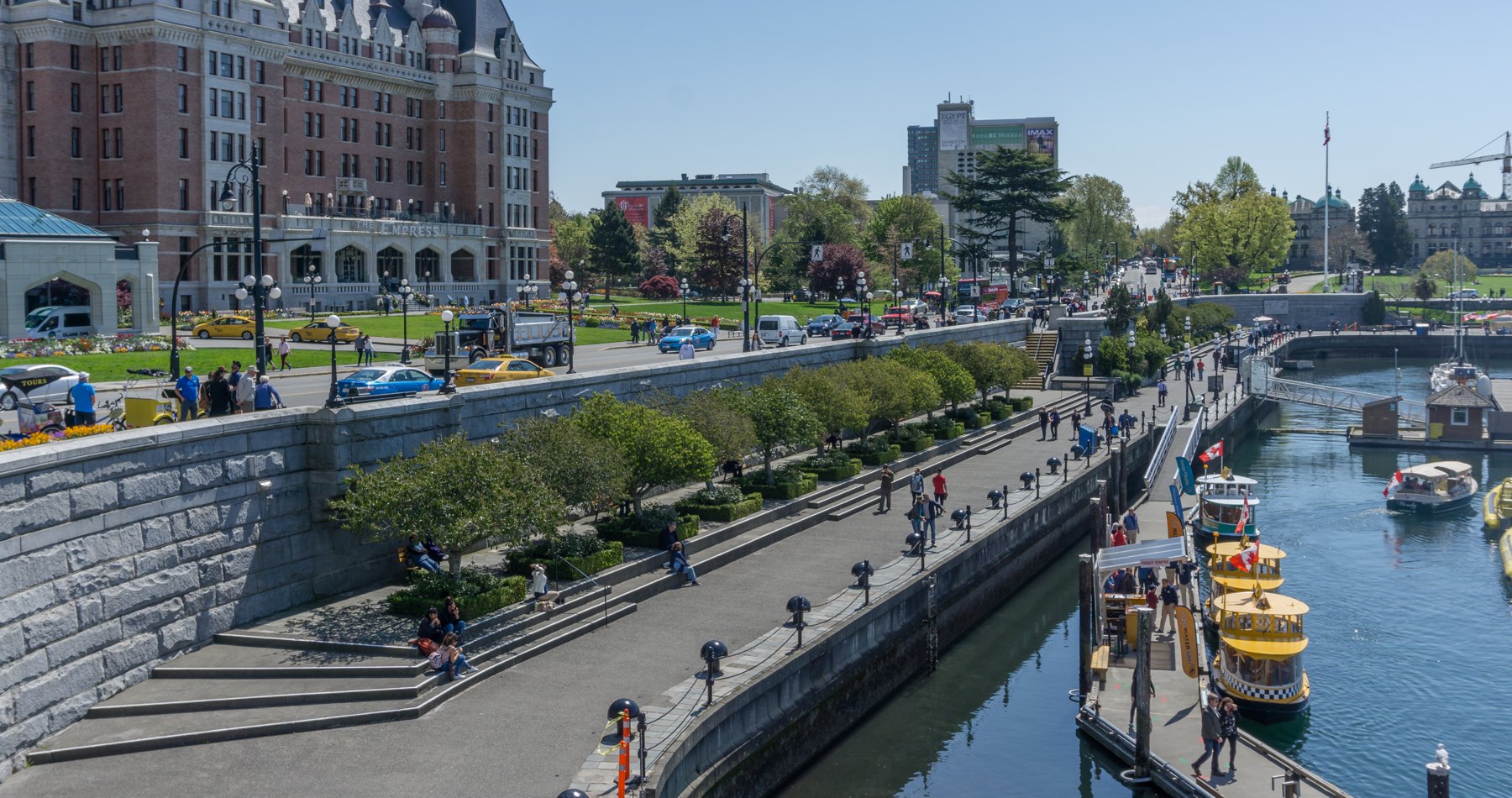
Victoria, BC
The short evening stop: Butchart Gardens or downtown?
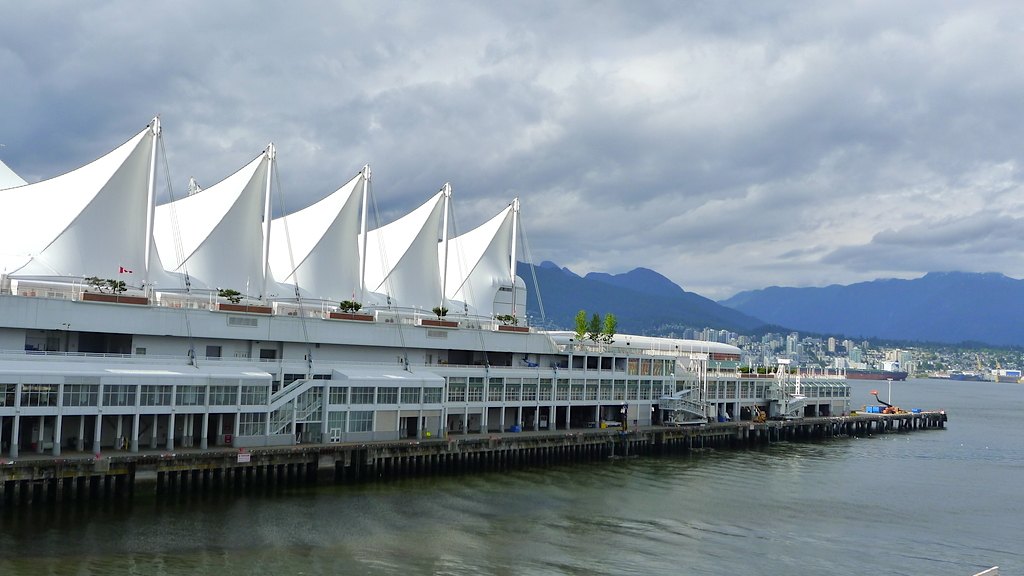
Vancouver
Your departure city — Stanley Park, Granville Island, and boarding day.

Seattle
Pike Place, the Space Needle, and getting to the right pier.
Caribbean & Bahamas
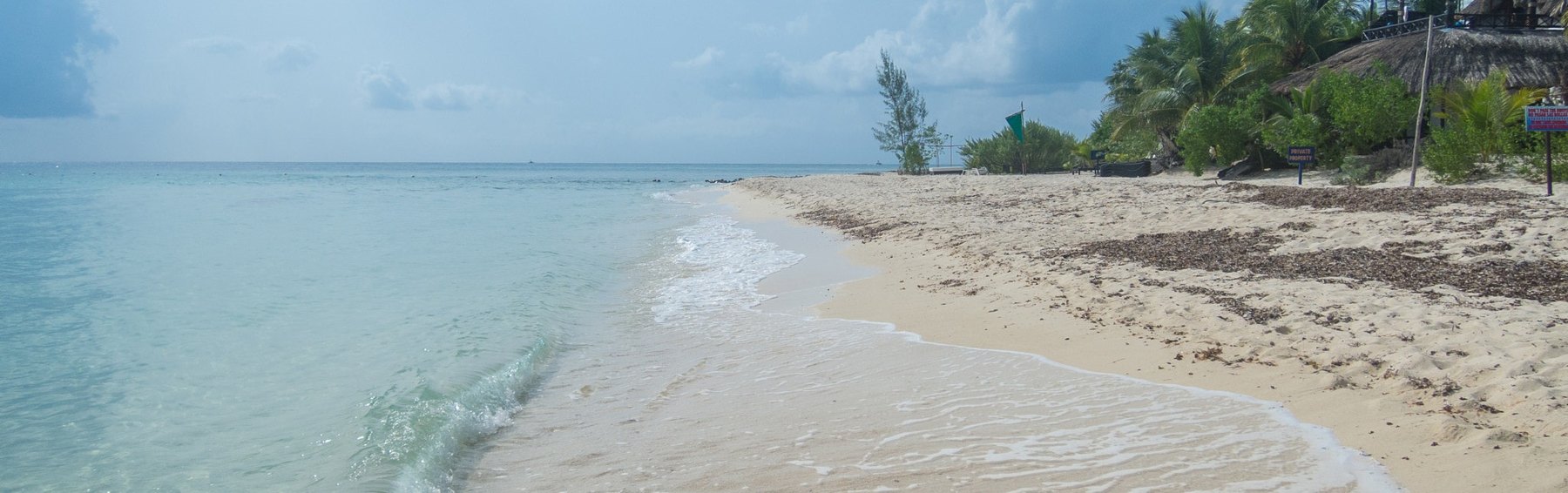
Cozumel
Beach clubs with kids, what's walkable, and the taxi rate card.
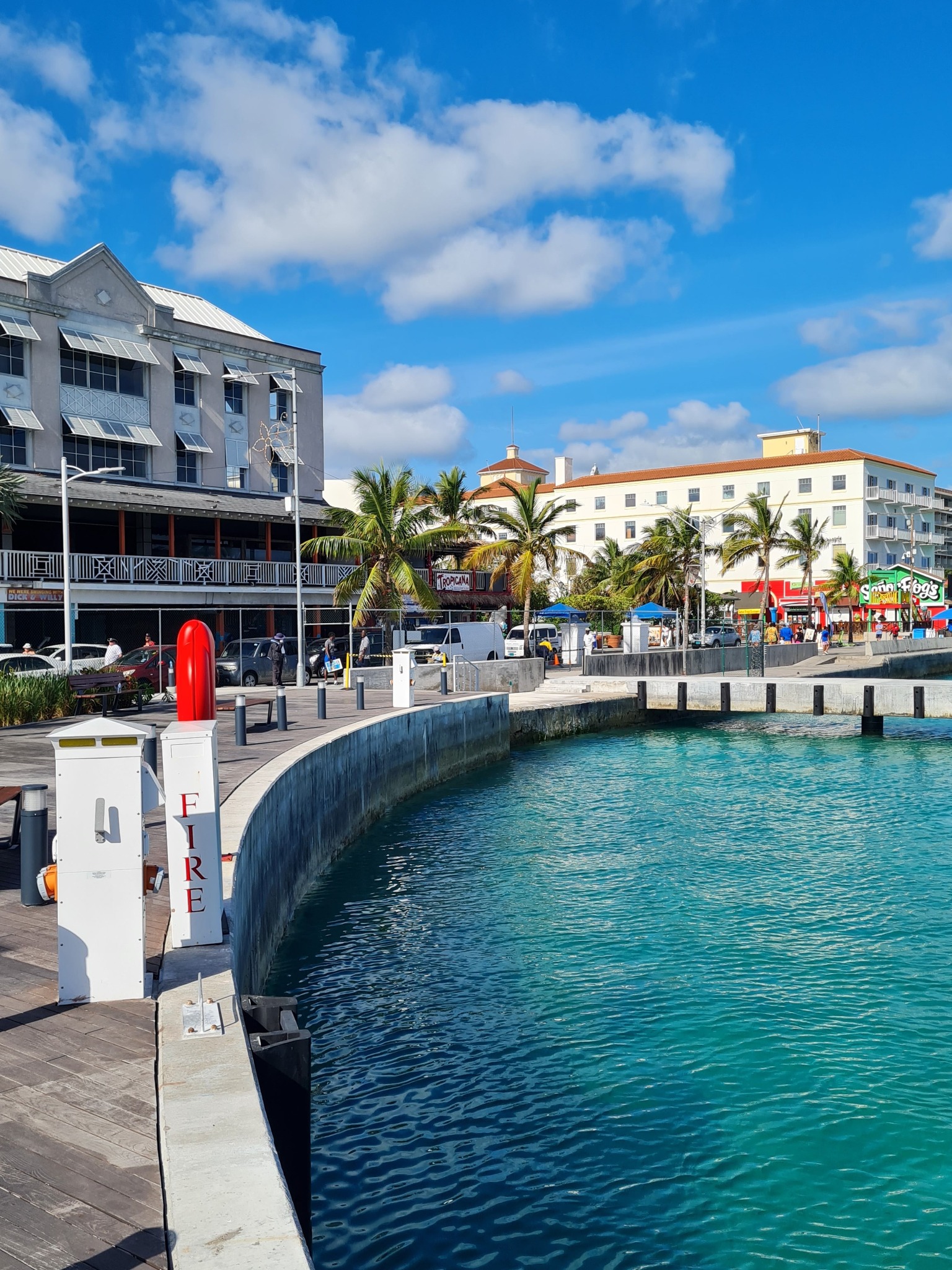
Nassau
Stay on the ship or go? An honest take.
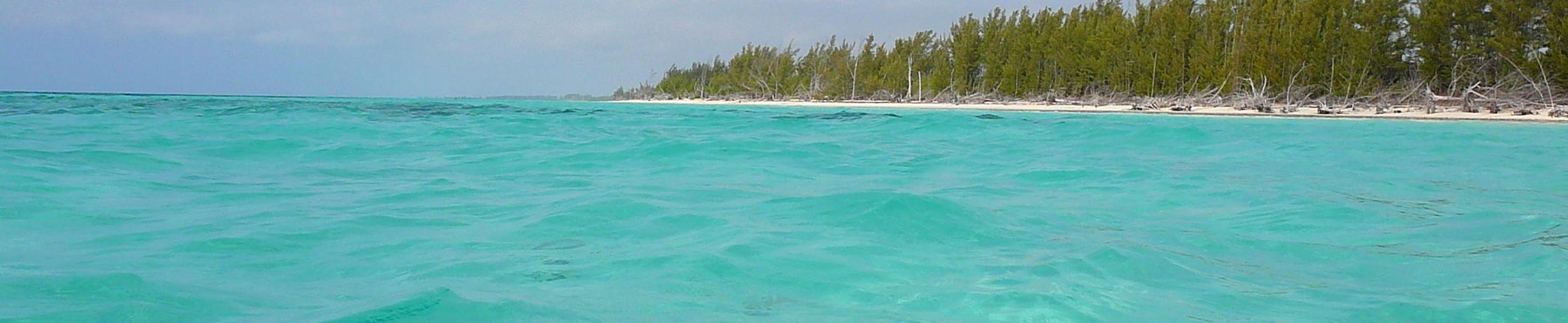
Freeport
Don't judge the island by the dock.
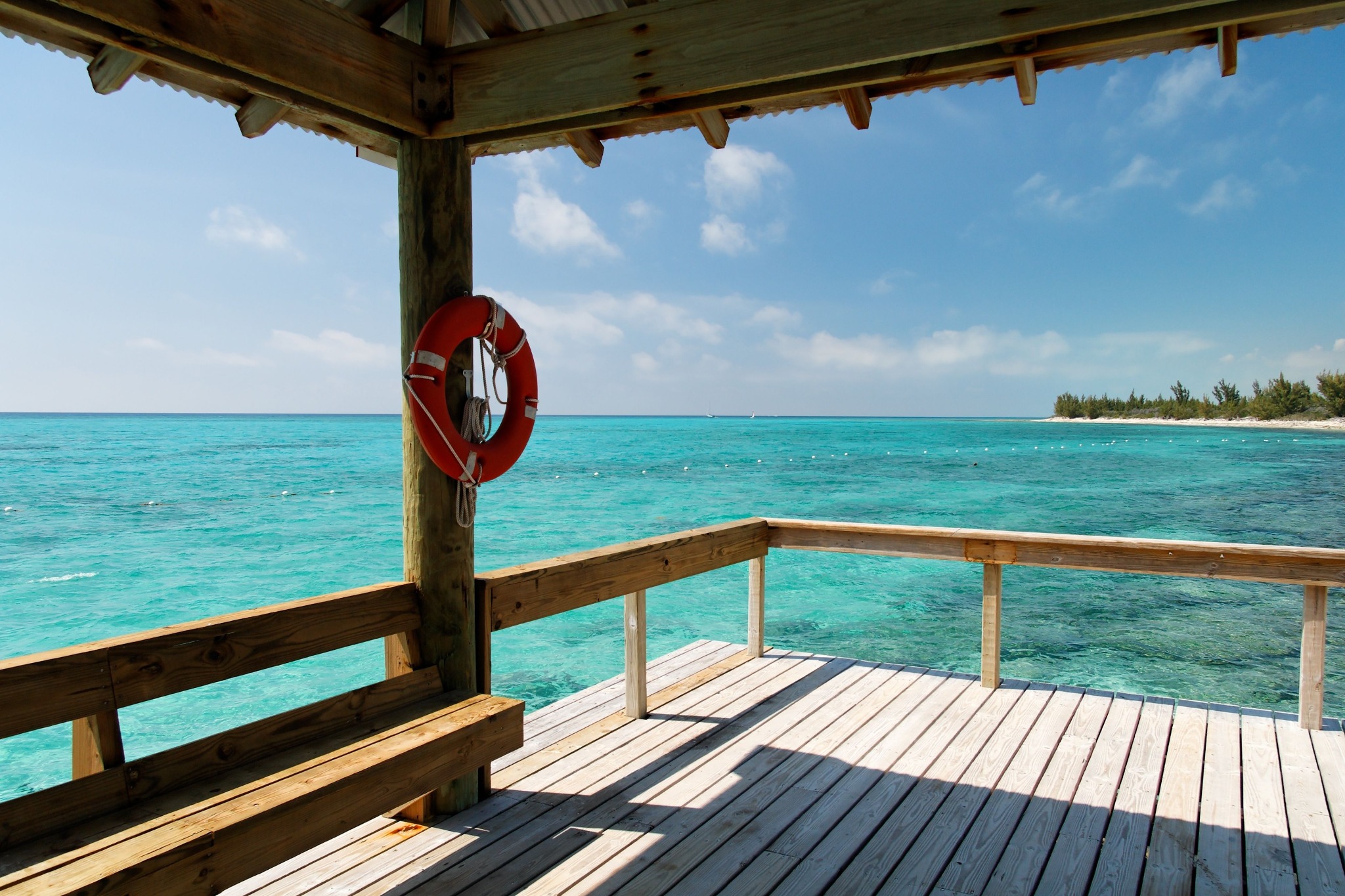
Bimini
Blue water, local flavor, and the beach club question.
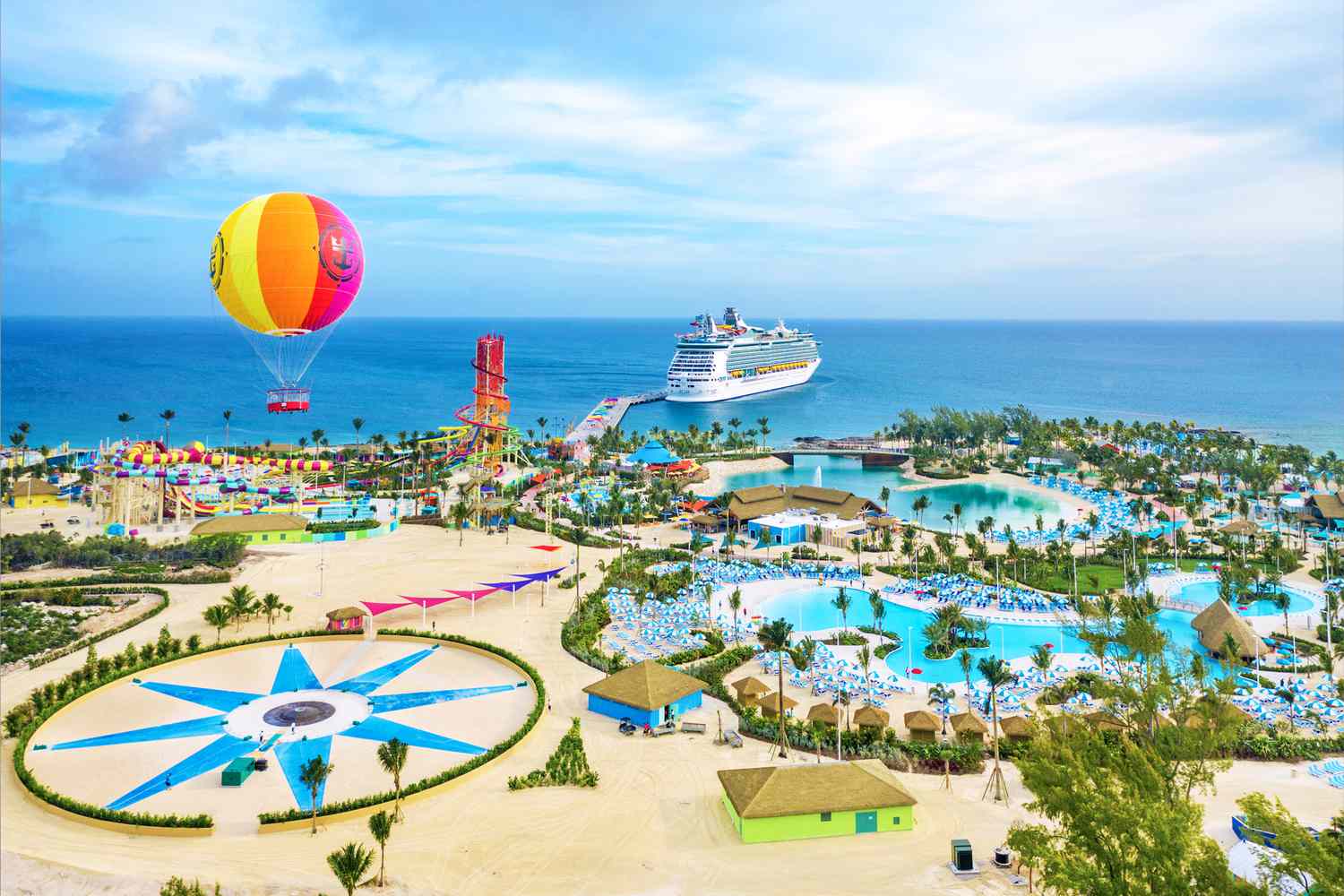
Perfect Day at CocoCay
What's free, what's not, and where to set up for the day.
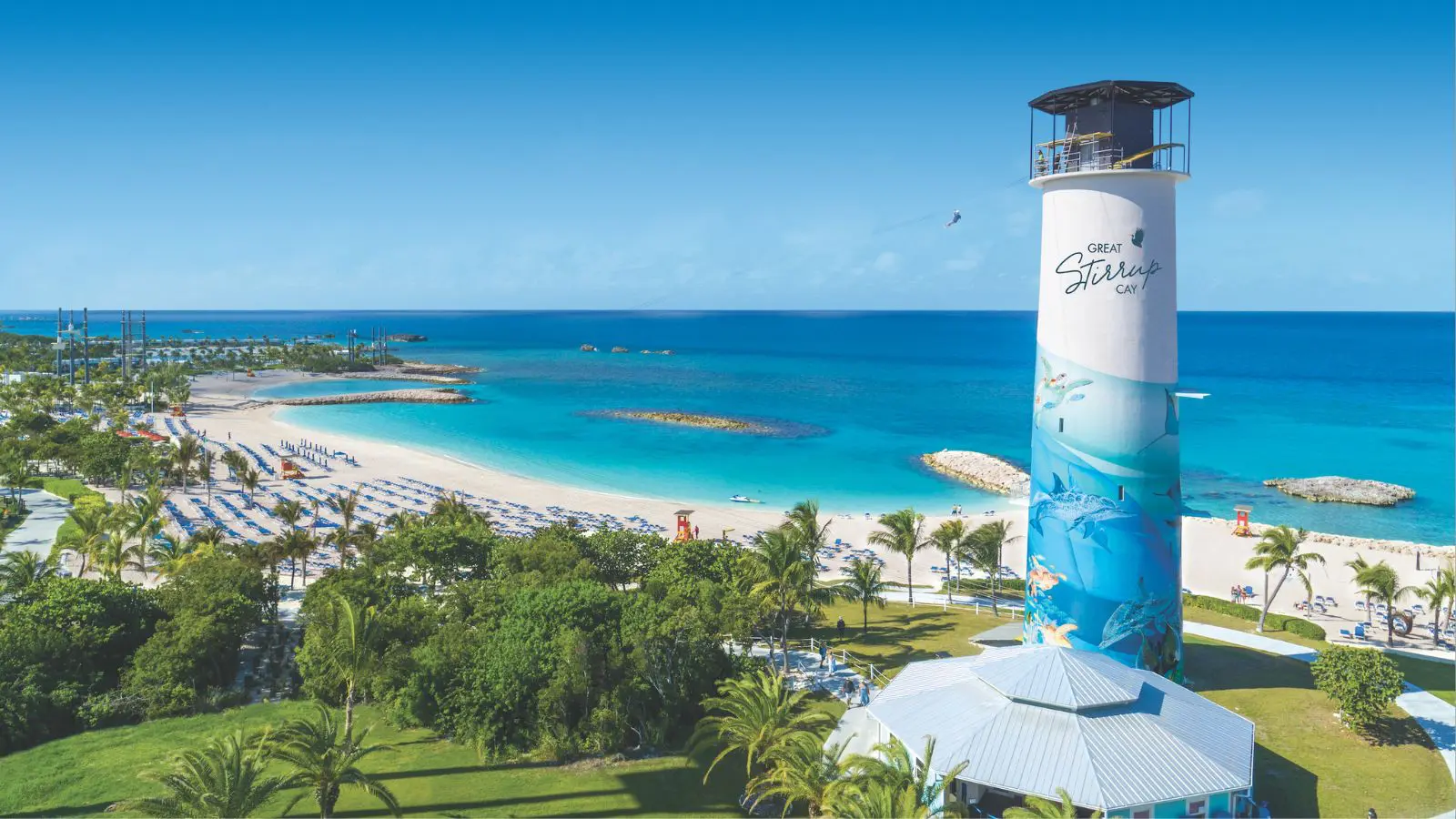
Great Stirrup Cay
NCL's private island — cabanas, the lagoon, and the tender line.
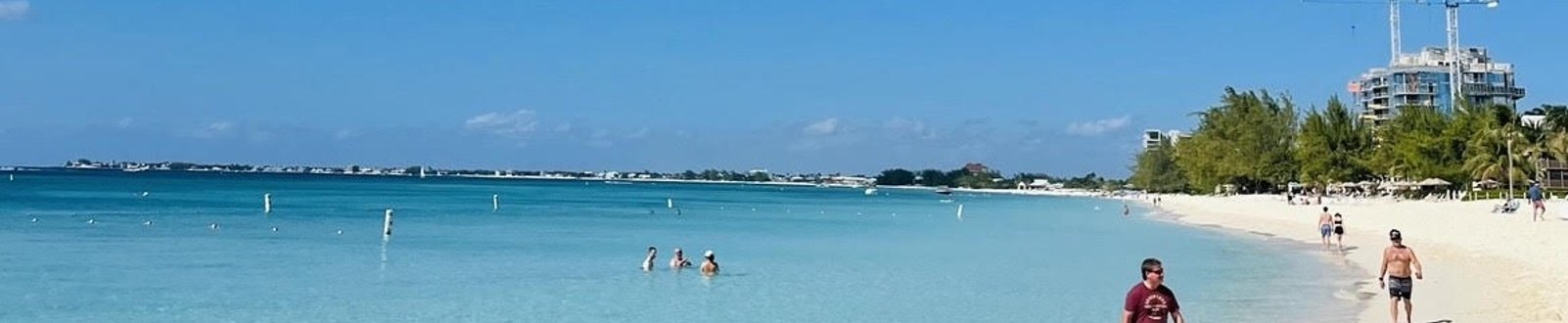
Grand Cayman
Stingray City, Seven Mile Beach, and the tender you can't miss.
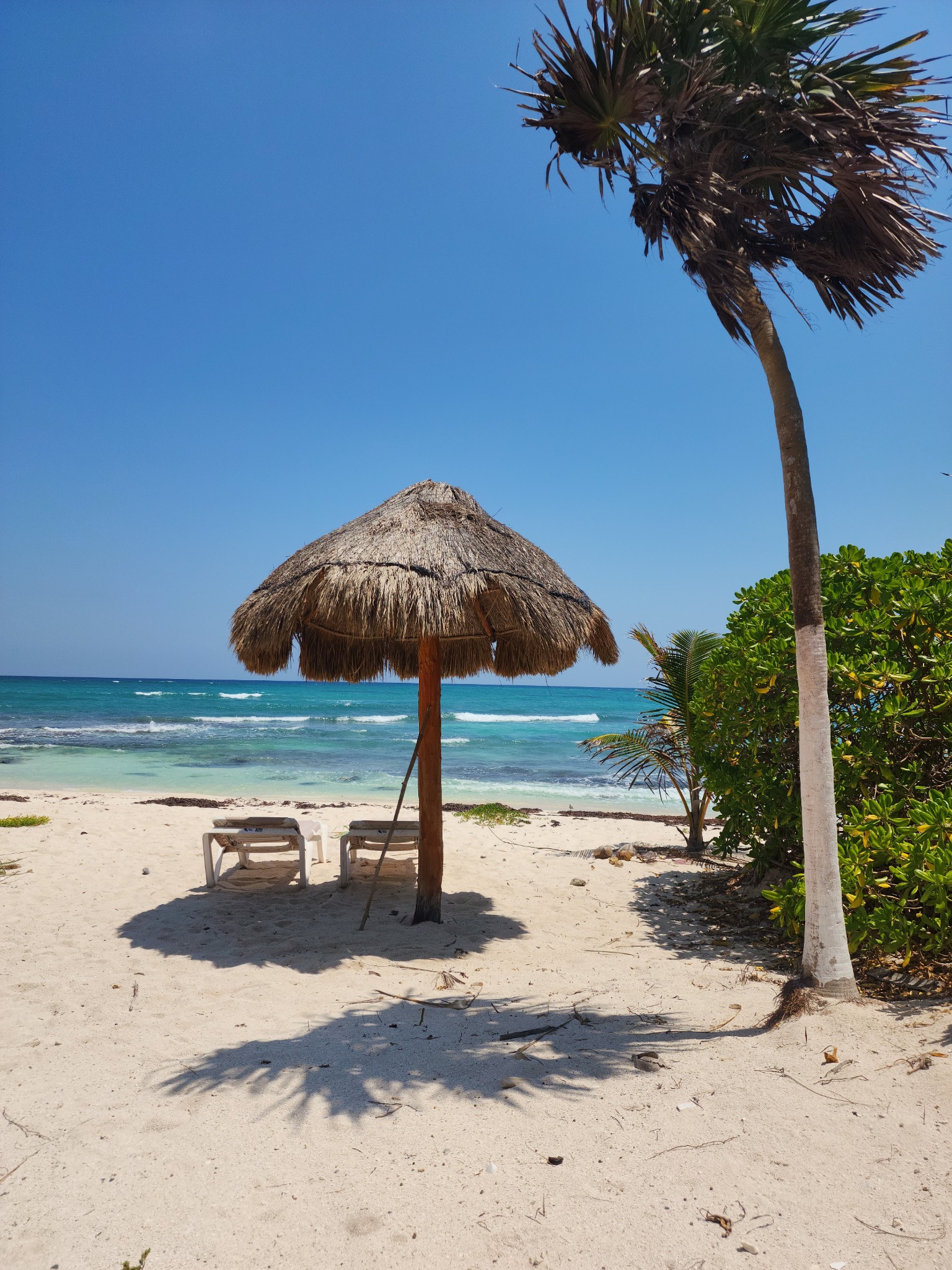
Costa Maya
The port complex, Mahahual beach, and the ruins.
Roatán
Snorkeling, sloths, and West Bay.
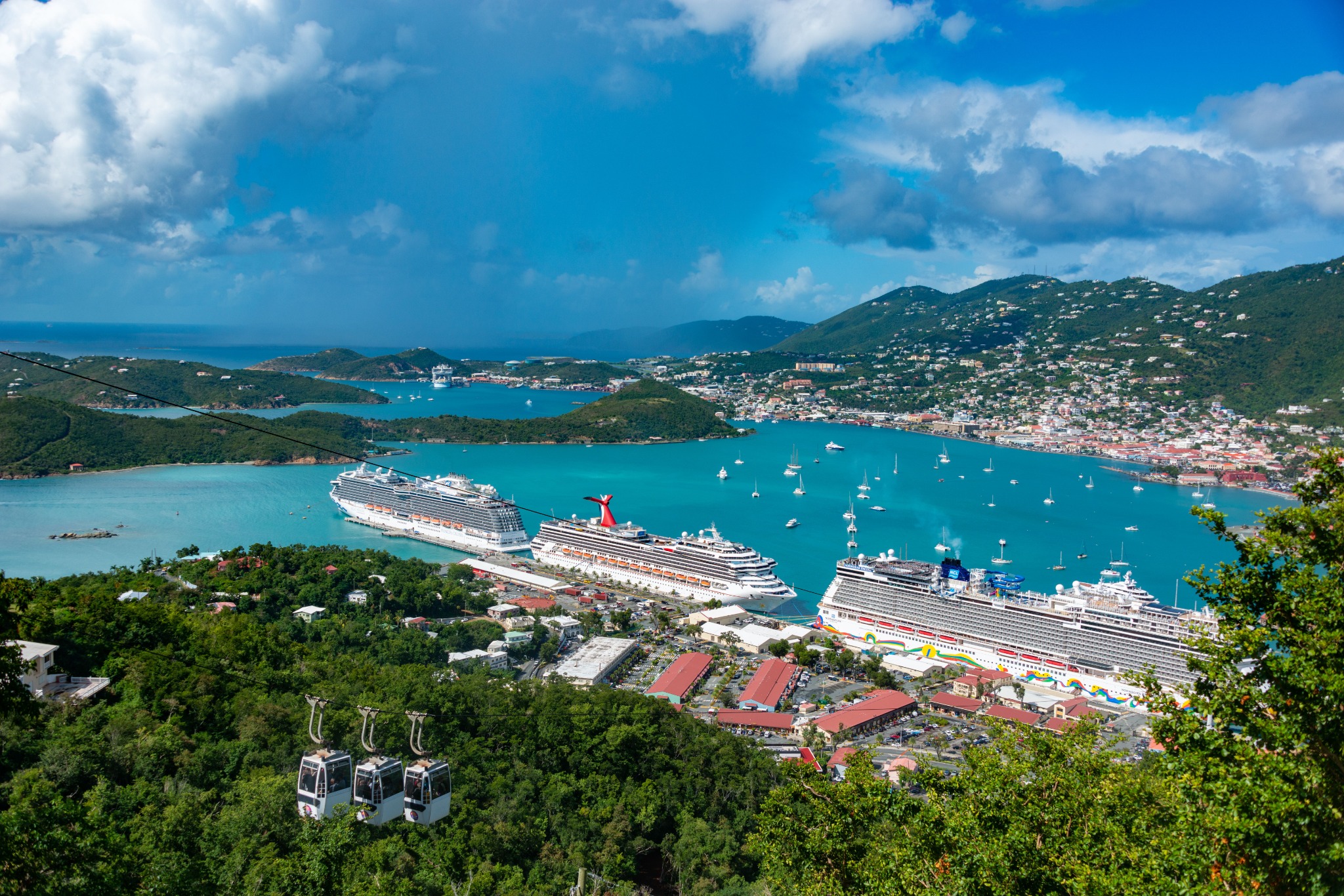
St. Thomas
Magens Bay, the skyride, and the duty-free question.
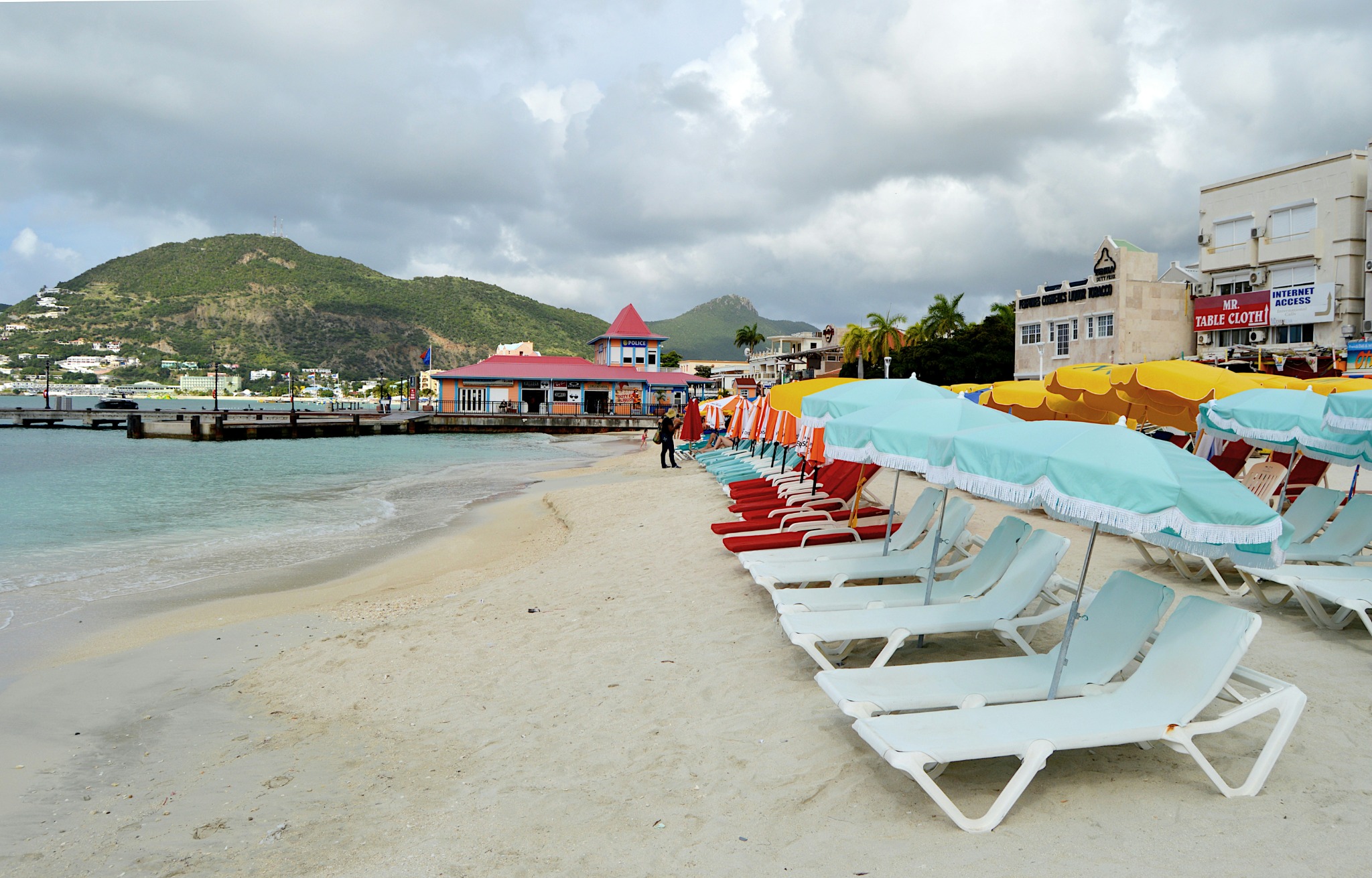
St. Maarten
Beach time, plane-spotting, and Dutch vs. French sides.
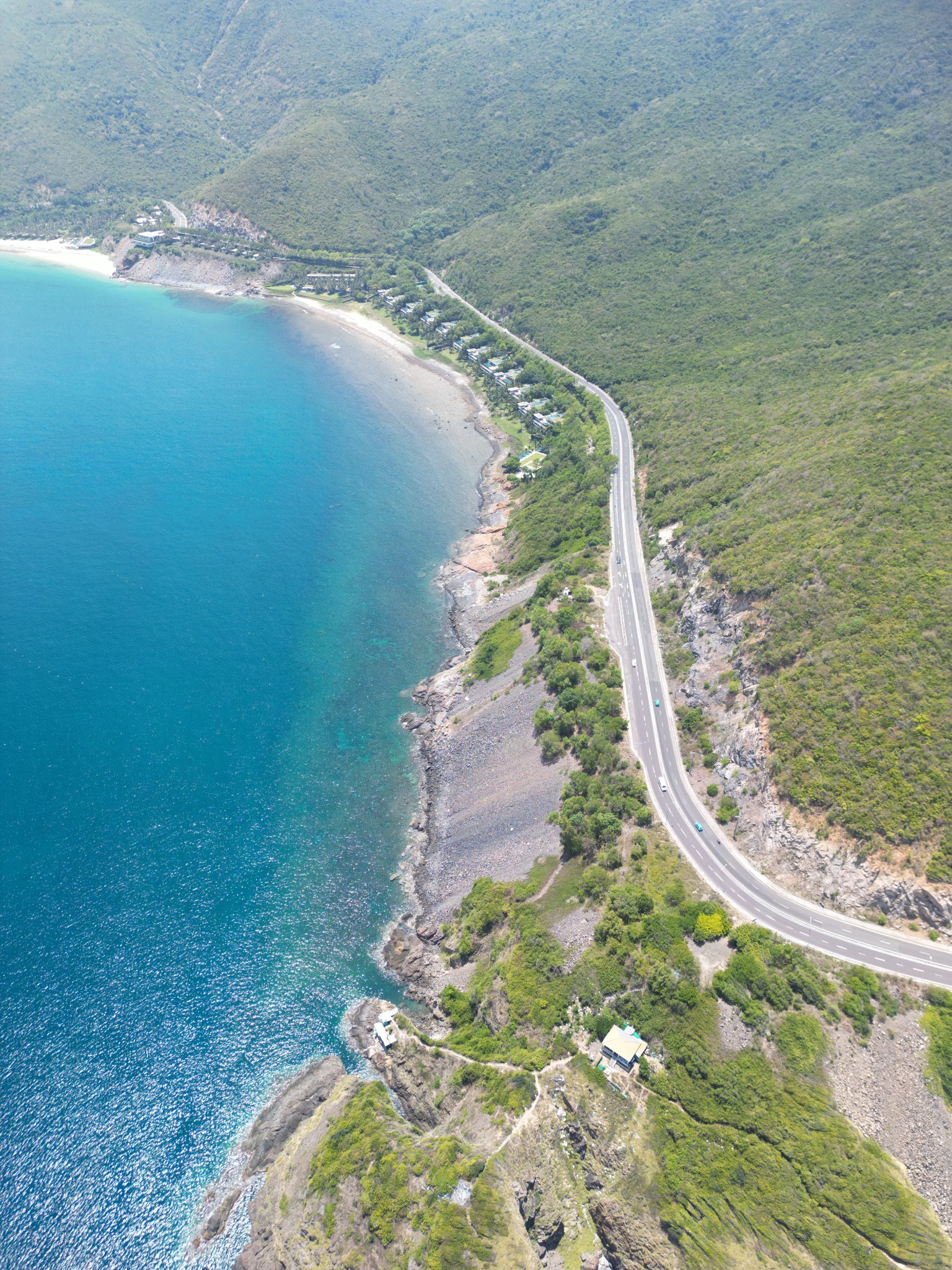
St. Kitts
Brimstone Hill, the scenic railway, and a beach-chair finish.
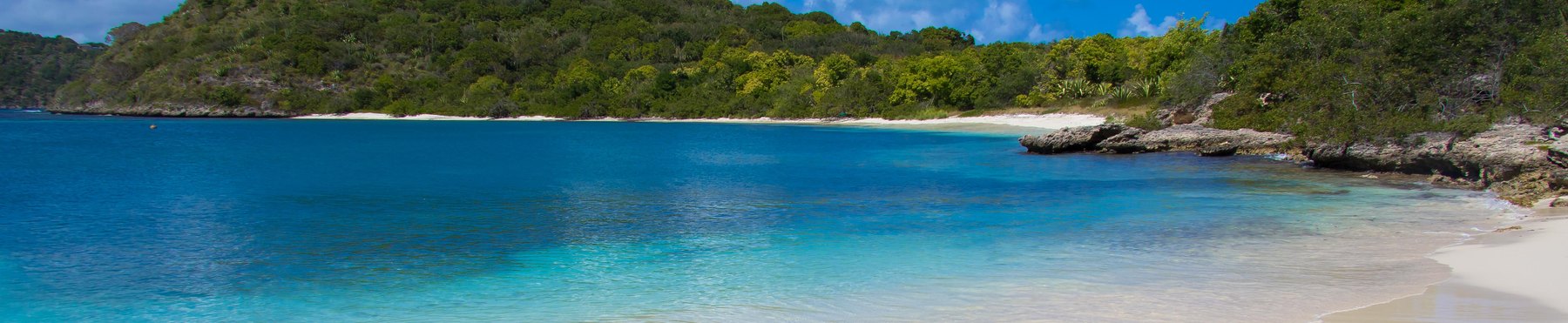
Antigua
Nelson's Dockyard, Heritage Quay, and picking your beach.
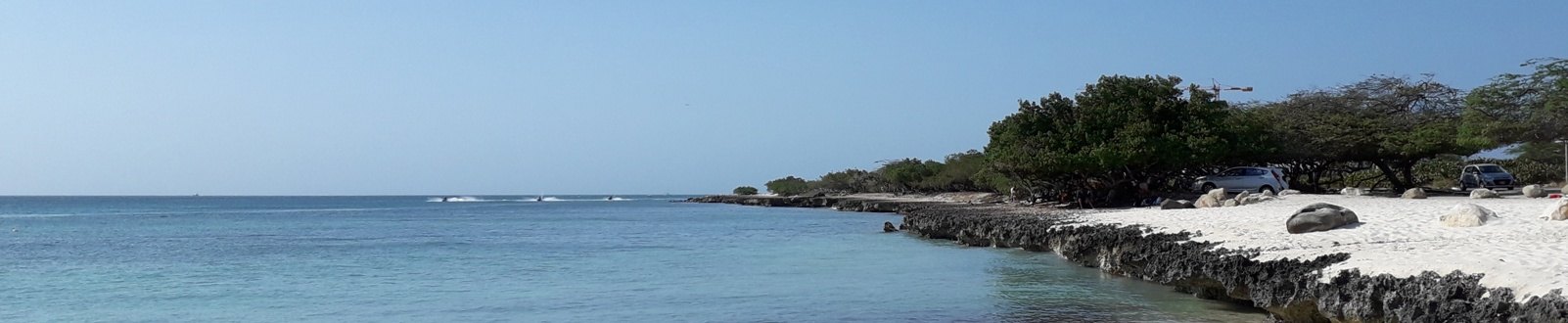
Aruba
Eagle Beach, the Natural Pool, and desert scenery.
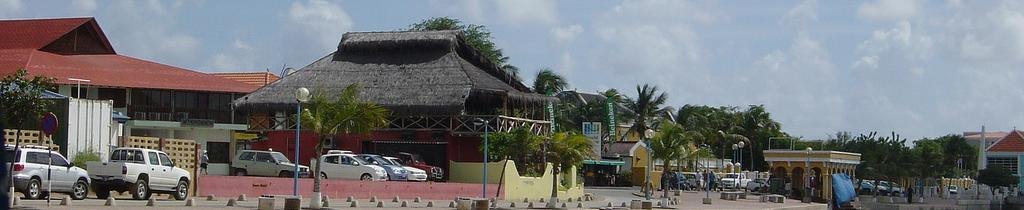
Bonaire
Reef snorkeling, salt flats, and a slower island day.
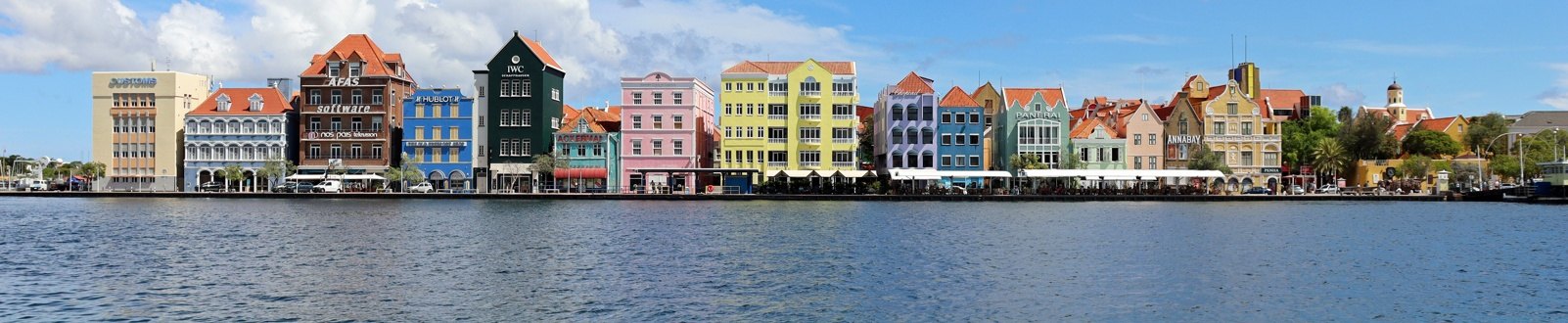
Curaçao
Willemstad's colorful streets and the floating bridge.

San Juan
Old San Juan, two forts, and a proper food tour.
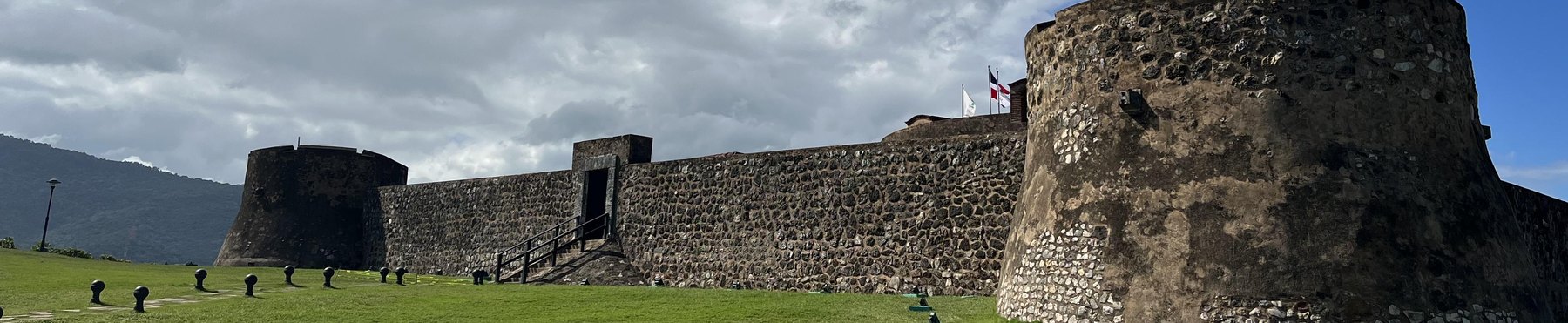
Puerto Plata
Amber Cove vs. Taino Bay, and the seven waterfalls.
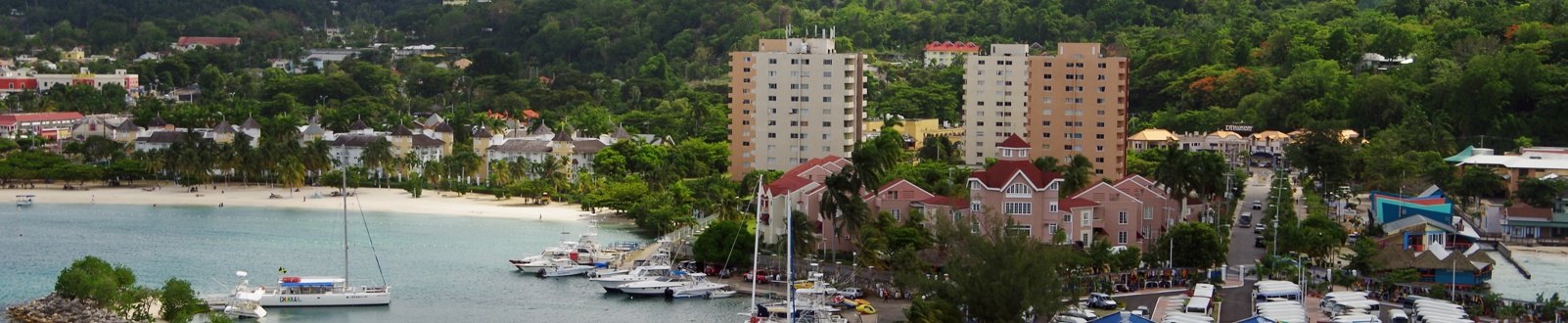
Ocho Rios
Dunn's River Falls, Blue Hole, and two different piers.

Falmouth
Bamboo rafting, jerk chicken, and choosing one main outing.
Panama Canal & beyond
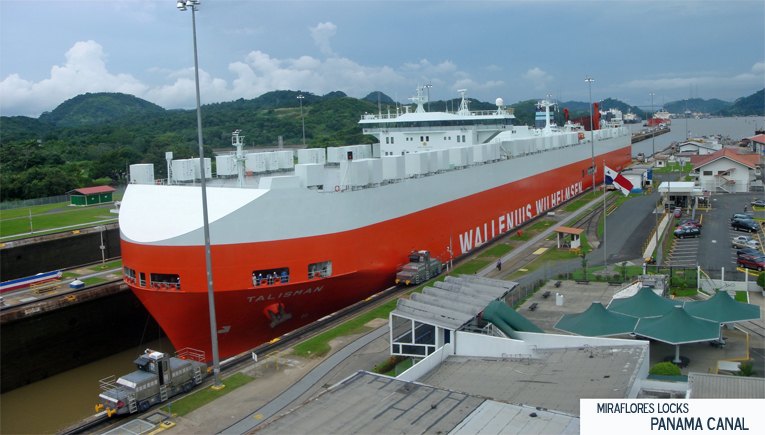
Panama Canal
The full transit, the locks, and what to book before you sail.
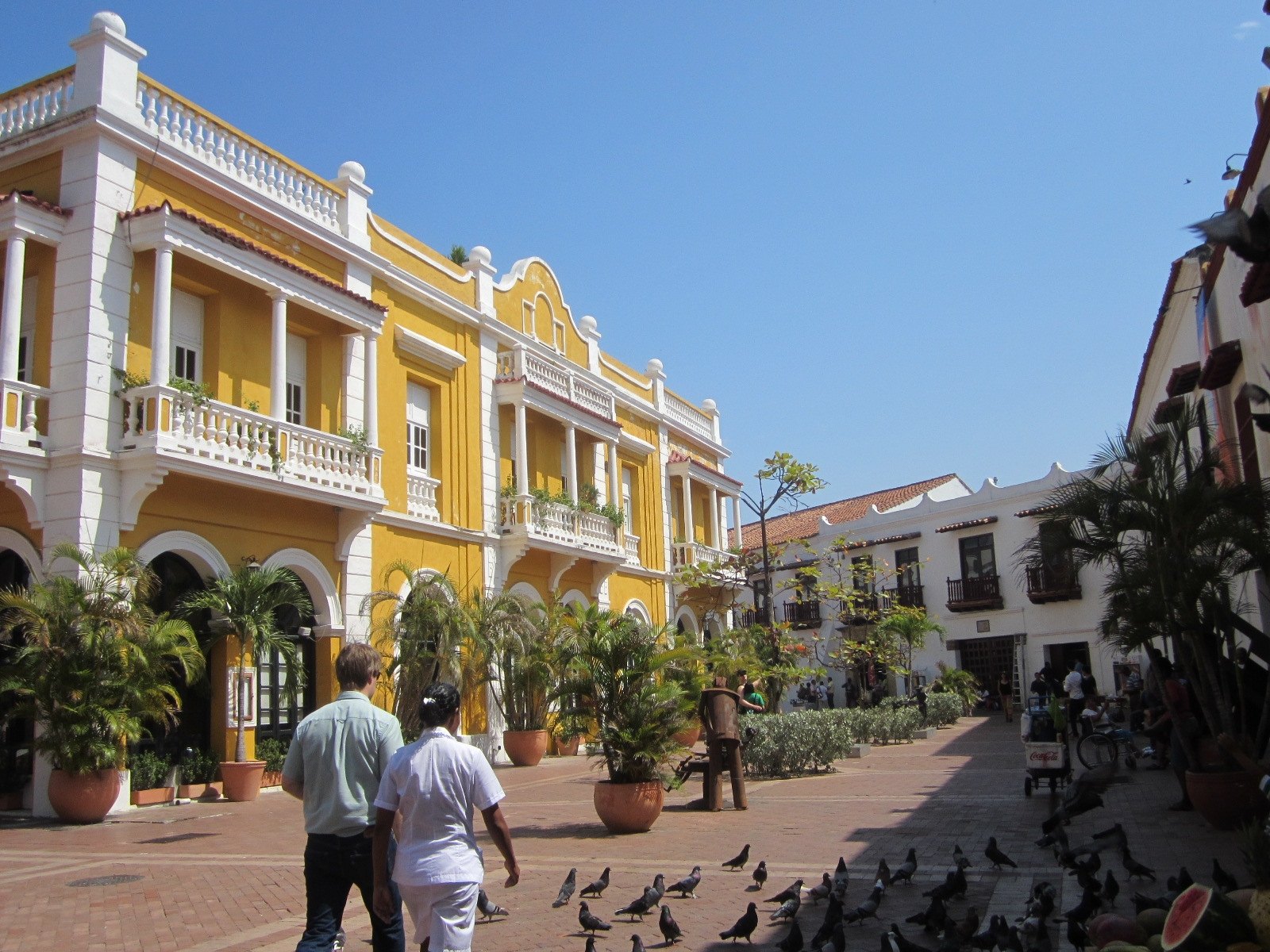
Cartagena
The walled city with kids, and how much time you really have.
Florida departure ports
Driving down from the Midwest? These cover parking, hotels, and the night before.

Port Canaveral
Parking, hotels, and pairing a cruise with Orlando.

Miami
Terminals by cruise line, airport to pier, and where to stay.

Fort Lauderdale
Port Everglades made simple.

Tampa
The easy port: compact terminals, downtown nearby, and straightforward airport transfers.
Want a port that's not here yet? Email me and it goes to the top of the list.
Walt Disney World, without the overwhelm.
Four parks, two water parks, thirty-plus hotels, and a dozen ways to pay too much. I plan Disney trips for families who want the magic without the spreadsheet.
Know the real number first.
Tickets, hotel, food, and the stuff nobody budgets for — filled in for a family of five so you can swap in your own.
What I help with
- Which park on which day, and when to skip one entirely.
- Resort vs. off-site: the honest math for your family size.
- Dining reservations and Lightning Lane, booked on the day they open.
- A cruise-plus-Disney week that doesn't wreck the budget.
Disney guides
How to keep an Orlando trip under $4,000
A family of five, four park days, real prices.
Which Disney resort tier is actually worth it?
Value, moderate, deluxe — what you get for the jump.
Do you need a Park Hopper?
Usually not. Here's when you do.
Disney with a toddler: what to skip
Rider switch, nap plans, and the stroller question.
Which Disney Resort Tier Is Actually Worth It?
Value, moderate, deluxe — what you get for the jump.
By Christine Campbell, Dreams Await Travel
Disney resort pricing can feel like alphabet soup when you first start looking: Value, Moderate, Deluxe, Deluxe Villa, Good Neighbor, Swan and Dolphin, off-site house, condo. The real question is not, "Which one is best?" The better question is, "Which one is worth it for the way your family actually travels?"
Because here is the truth: a Deluxe resort is not automatically the smartest choice, and a Value resort is not automatically the budget winner. Disney math is rarely that simple.
Start with what all Disney resort tiers share
At Walt Disney World, guests staying at Disney Resort hotels get early theme park entry: 30 minutes before regular park opening, every day of their stay, including check-in and check-out days. Disney has also said that benefit continues through 2027. That matters because those first 30 minutes can be powerful if your family is willing to get moving early.
The other big shared advantage is location and transportation. You are inside the Disney bubble, with access to Disney transportation options. That can reduce rental car stress, parking, and the constant mental load of, "Where are we going and how are we getting there?"
Christine would say: Do not pay for a Disney resort just because it sounds magical. Pay for it because it solves a real problem for your family: transportation, naps, location, early mornings, or convenience.
Value resorts: best when the room is mainly for sleeping
Value resorts are usually the easiest way to stay on Disney property without spending Deluxe-level money. Think bright theming, food courts, large resort layouts, and bus transportation. Pop Century and Art of Animation also have Skyliner access, which can be a big upgrade if you are spending time at EPCOT or Hollywood Studios.
A Value resort can make sense if your family plans to rope drop, stay out late, and use the room mostly for showers and sleep. It can also be a good fit when kids are young enough to love oversized theming and you would rather spend money on tickets, character meals, PhotoPass, or extra park days.
Where Value can feel less worth it: when you need quiet, more space, easier pool time, shorter walks, or a calmer place to recover in the afternoon. A lower room price can lose its shine if everyone is overstimulated by day two.
Moderate resorts: the sweet spot for many families
Moderate resorts are often the middle-ground winner. You usually get more relaxed grounds, better pool areas, nicer dining options, and a room and resort feel that is less hectic than the Values. Caribbean Beach has Skyliner access. Port Orleans has charm. Coronado Springs can feel a little more adult and convention-polished.
Moderate can be worth the jump if you plan to use the resort. That means pool breaks, slower mornings, maybe a resort dinner, and a room that feels more like part of the vacation instead of only a crash pad.
Where Moderate can disappoint: some resorts are spread out. A cheaper room category may put you far from food, buses, or the main pool. That matters after fireworks when everyone is tired and someone is carrying a sleeping child.
Deluxe resorts: worth it when location saves the trip
Deluxe resorts are not just about nicer rooms. The real value is usually location. Being able to walk to Magic Kingdom from Contemporary, take the monorail from Polynesian or Grand Floridian, walk or boat to EPCOT and Hollywood Studios from BoardWalk, Beach Club, Yacht Club, Swan, or Dolphin — that can change the whole pace of a trip.
Deluxe and Deluxe Villa guests also get access to extended evening theme park hours on select nights in select parks. Disney states this benefit also continues through 2027. For families with older kids, teens, adults, or night owls, those quieter late-night hours can be a major perk.
Where Deluxe is not worth it: when you are barely in the room, when the budget pressure makes the rest of the trip feel tight, or when you are choosing it for status instead of strategy.
A note about Swan and Dolphin
Swan and Dolphin deserve their own mention because they can sometimes give you a Deluxe-location feel without Disney Deluxe pricing. They sit near EPCOT, Hollywood Studios, and the BoardWalk area, and Disney lists them among the select hotels for both early theme park entry and extended evening hours. They are not the right fit for every family, but they are absolutely worth pricing when location matters.
Quick advisor answer
- Choose Value if: you want Disney transportation, early entry, and a lower room cost, and you do not need the resort to be the star of the trip.
- Choose Moderate if: you want a more comfortable resort experience without jumping into Deluxe pricing.
- Choose Deluxe if: location, walking access, monorail or boat convenience, or extended evening hours will genuinely improve your vacation.
Bottom line: The resort tier that is worth it is the one that matches your family rhythm. For some families, that is Pop Century. For others, it is Port Orleans. For some, it is worth every penny to walk back from EPCOT with tired kids instead of waiting for a bus.
Disney benefits and policies can change. Checked September 17, 2026.
Do You Need a Park Hopper?
Usually not. Here is when you do.
By Christine Campbell, Dreams Await Travel
Park Hopper sounds like freedom. And sometimes it is. But for a lot of Disney trips, it is also one of the first upgrades I would question before I added it to the budget.
A standard Walt Disney World theme park ticket lets you visit one park per day. A Park Hopper ticket lets you visit more than one park in the same day. That flexibility can be wonderful, but only if you will actually use it.
Why I usually do not start with Park Hopper
Most first-time families underestimate how big Walt Disney World is. Moving from one park to another is not like crossing the street. You are exiting one park, getting to transportation, traveling, going through security again if needed, entering another park, and re-orienting everyone once you arrive.
With small kids, grandparents, strollers, heat, dining times, and tired feet, hopping can turn into more work than magic.
Christine would say: I would rather see a family do one park well than spend part of the day transferring around because they felt like they had to get their money out of a Hopper ticket.
When a Park Hopper does make sense
It can be worth it for adults or older kids who want to start in one park and end with dinner or fireworks in another. EPCOT is the classic example. You might spend the morning at Hollywood Studios, take the Skyliner or boat over later, and finish with food around World Showcase.
It can also make sense when you are staying in the EPCOT resort area, on the monorail loop, or at a resort where transportation makes hopping easy. Location changes the equation.
Park Hopper can be useful on shorter trips too. If you only have two or three park days but want a taste of all four parks, it may help. Just know that you are trading depth for variety.
When I would skip it
Skip Park Hopper if this is your first trip and you are already overwhelmed. Skip it if you have toddlers or preschoolers and plan to go back for naps. Skip it if you are trying to keep the budget under control. Skip it if you already have one full day planned for each park you care about.
Also skip it if the only reason you are adding it is fear of missing out. Disney is too expensive to buy upgrades based on panic.
The smartest compromise
Plan your trip first without Park Hopper. Build each day around one park, one transportation plan, and one realistic break plan. Then look at the itinerary and ask: would hopping actually improve this day, or just complicate it?
If the answer is, "We would love to end two nights at EPCOT," then maybe yes. If the answer is, "I guess we should because everyone online does," then no.
Bottom line: Park Hopper is not a must-have. It is a tool. For many families, especially first-timers and families with younger kids, one park per day is calmer, cheaper, and easier to enjoy.
Quick advisor answer
- Get Park Hopper if: you are staying near EPCOT or the monorail, traveling with older kids or adults, taking a shorter trip, or intentionally planning dinners or fireworks in a second park.
- Skip Park Hopper if: you have toddlers, want a lower budget, need nap breaks, or want a simpler first Disney trip.
Disney benefits and policies can change. Checked September 17, 2026.
Disney with a Toddler: What to Skip
Rider Switch, nap plans, and the stroller question.
By Christine Campbell, Dreams Await Travel
Taking a toddler to Disney can be magical. It can also be sweaty, loud, overstimulating, snack-heavy, and completely derailed by a skipped nap. Both things can be true.
The best toddler Disney plan is not the one that crams in the most attractions. It is the one that protects the mood of the smallest person in the group.
Skip the idea that you have to do everything
A toddler does not know what you skipped. They do not know that you missed a headliner ride, that you did not get the perfect dining reservation, or that another family rode more rides before lunch. They know whether they are hot, hungry, tired, scared, or being rushed.
That means your best day might be Dumbo, bubbles, a parade, a long snack break, and the resort pool. That is still Disney.
Christine would say: Toddlers do not need a perfect Disney day. They need a parent or grandparent who is present, flexible, and willing to change the plan before the wheels fall off.
Skip rides that are really for someone else
Some rides are height-restricted, some are dark, some are loud, and some are simply too intense for a toddler even if they are technically allowed. Do not force a ride because adults are excited about it.
This is where Rider Switch helps. Disney's Rider Switch lets adults take turns riding when someone in the party cannot or does not want to ride. One group rides while another adult waits with the child; then the waiting adult can ride without waiting in the regular line again. The process starts by talking to a Cast Member at the attraction entrance with your full group present.
Use Rider Switch for the adults. Do not use the toddler as a reason everyone else has to miss everything.
Skip the no-stroller fantasy
Even if your toddler walks well at home, Disney walking is different. The parks are huge, the days are long, and the heat is real. A stroller is not just transportation. It is shade, storage, a snack station, and sometimes the only reason a child rests long enough to avoid a meltdown.
Disney rents strollers in the parks and at Disney Springs, but rented strollers must be returned before leaving the rental location. Many families bring their own or rent from an outside company if they want the stroller at the resort, bus stops, parking areas, or walking paths.
Skip the packed schedule
With toddlers, the schedule needs breathing room. I would not stack breakfast, rides, a parade, a character meal, fireworks, and a late night all in one day and expect everyone to be fine.
Build around the toddler's normal rhythm. If they nap, protect the nap. If they do not nap, plan a quiet reset anyway — stroller shade, the resort room, a slow boat ride, the monorail, or lunch in air conditioning.
Skip fireworks if they are already done
Fireworks are beautiful. They are also late, loud, crowded, and hard to exit after. If your toddler is already cooked by 7 p.m., forcing fireworks may not be worth it. Watch from a resort area when possible, try another night, or let it go.
A rested child the next morning is worth more than one perfect fireworks photo.
Bottom line: For toddlers, Disney is better when you plan less. Pick a few must-dos, use Rider Switch for adult rides, bring or rent a stroller that fits your real transportation plan, and protect rest like it is part of the ticket price.
Toddler Disney checklist
- Choose two or three must-dos per day, not twelve.
- Use Rider Switch for adult rides when needed.
- Plan a stroller strategy before arrival.
- Schedule snacks before everyone is desperate.
- Protect nap or quiet reset time.
- Do not force fireworks on a toddler who is already done.
- Pack wipes, backup clothes, water, sunscreen, and patience.
Disney benefits and policies can change. Checked September 17, 2026.
Universal Orlando, done right.
Four parks now, counting Volcano Bay, and the newest one changes the whole plan. Universal rewards a good strategy more than any park in Orlando — and punishes a bad one with a lot of standing around.
The free park guide.
Rope drop, Express Pass math, the hotel perk that replaces it, and how to beat the Florida heat.
What I help with
- Which hotels include Express Pass, and whether that beats buying it.
- Epic Universe: how many days, and how to fit it with the other three.
- Harry Potter done in the right order (Hogwarts Express matters).
- Pairing Universal with Disney or a Port Canaveral cruise.
Universal guides
Is Express Pass worth it?
The hotel trick that gets it free, and when to just pay.
Epic Universe for first-timers
What's there, how long it takes, and the heights kids need.
Universal vs. Disney: which one for your kids?
Ages, thrill tolerance, and budget.
Cruise Advice
Cruising isn't complicated, but a handful of choices can make a big difference. These are the questions I get asked over and over — and the same practical answers I give my own clients.
The Cruise Packing Guide
The bags I've tested, what actually earns suitcase space, what can stay home, and the printable checklist to go with it.
Do you really need travel insurance for a cruise?
Cruises are non-refundable after final payment. That changes the math.
Which cabin should a first-timer book?
Midship, low deck. Here's why.
Should we fly in the day before?
Yes. Every time. The ship doesn't wait.
Will I get seasick?
Probably not. What to pack just in case.
Is the drink package worth it?
Do the math honestly — including port days and the gratuity on top.
Ship excursion or book on our own?
When the ship's tour is worth the extra money, and when it isn't.
Let's book it.
Planning is free for cruises, Disney, and Universal. For all-inclusive resorts and honeymoons, use the All-inclusive tab.
Tell me who's going and when.
Fill out the quick trip form. Two minutes.
I send you two or three options.
Real prices, real rooms, and why I picked each one.
You pick. I book.
Then I watch your fare for price drops until you sail.
Getting Married at Sea?
Cruise weddings can be surprisingly flexible, whether you want a simple ceremony for just the two of you or you’re bringing family and friends along for the celebration. Some cruise lines offer onboard ceremonies, port-day weddings, vow renewals, reception packages, photography, flowers, cake, and group accommodations.
The important part is planning early. Wedding packages, ceremony locations, and group space can be limited, and the rules vary by cruise line and itinerary.
Dreaming about a wedding at sea? I can help you sort through the cruise lines, wedding options, guest accommodations, and the logistics that come with bringing everyone along.
Groups may carry a planning fee. If one applies, I’ll explain it before we begin.
Hours: Monday–Friday 3–8 pm ET, Saturday 8 am–noon ET.
All-inclusive resorts & honeymoons.
Sandals, Beaches, RIU, Margaritaville Island Reserve, and Excellence Resorts — adults-only and family-friendly options in Mexico, Jamaica, and the Caribbean, matched to the trip you actually want.
Beach, food, and time together.
We’ll narrow the choices by destination, resort feel, room type, and how much you actually want to leave the pool.
One resort, fewer moving parts.
I’ll help compare the options that fit your group, your budget, and the kind of vacation you want.
Groups may carry a planning fee. If one applies, I’ll explain it before we begin.
Meet your travel advisor.

Hi, I'm Christine, a Travel Advisor with Dreams Await Travel.
I believe every vacation should be more than just a trip. It should be an unforgettable experience. Battling cancer taught me that the hard way — how important it is to see the world, and to share those experiences with the people you love. That's why I do this.
Whether you're planning a romantic honeymoon, a relaxing cruise, a fun-filled family vacation, or a bucket-list adventure, I'm here to make the process easy and enjoyable. I take the time to understand what matters most to you, then handle the recommendations, the planning, and the support from start to finish, so you can travel with confidence and focus on making memories that last a lifetime.
Life is meant to be experienced together. Tell me your travel dreams, and let's make them real.
Orlando Under $4,000: The Trip Plan I'd Actually Book
A family of five. Four park days. No sorcery required — just a Publix run and a little strategy.
By Christine Campbell, Dreams Await Travel
Orlando has a reputation for eating vacation budgets alive, and honestly, it earns it. Date-based ticket pricing, $35-a-day parking, $18 hamburgers — it's easy to watch a "quick family trip" balloon into a five-figure surprise before you've even hit the parking tram. But it doesn't have to go that way. This is the exact playbook I walk families through when they tell me Orlando feels out of reach — the same moves that get a family of five through four days at Disney World or Universal Orlando for well under $4,000, without anyone feeling like they missed out.
A lot of people treat this like a once-in-a-lifetime trip, and that mindset is exactly what gets budgets blown. It feels like permission to throw caution to the wind, to say yes to every upcharge, to justify spending what was supposed to be the kids' college fund because "we'll never do this again." I'm here to keep you from doing that.
Booking Smart: Tickets and Timing
First off, there's high season and there's low season, and which one you land in changes almost every number in this article. High season is the crowded, expensive stretch — holidays, spring break, summer. Low season is the opposite: shorter lines, lower ticket prices, cheaper hotel rates. Mid-January, early February, and September are the reliable low season windows. Ticket pricing swings even within that — hotel rates, park tickets, and rental cars all tend to run cheapest Sunday through Thursday, with weekends acting like a built-in surcharge.
Here's one I hear constantly in Disney Facebook groups, and it's bad math: "just get the 7-day ticket, it's cheaper per day." Sure — the per-day price drops. But nobody adding that up is also adding the extra hotel nights, food, and parking that come with actually staying seven days. Buy the number of days you're actually staying.
Same story with Park Hopper. Unless you're a local or someone who's done the parks enough times to know exactly what you want to skip, you're probably not park hopping. The only times I'd actually tell someone to buy it: to split time across two parks in one day and buy fewer overall park days, to leave for dinner somewhere else, or to catch two nighttime shows in one night — Fantasmic and the Magic Kingdom fireworks, on nights when both have two showings. Outside of that, it's an extra $250 or more for a "just in case" that mostly doesn't happen.
Check Disney's own deals page before you buy anything. Undercover Tourist is a solid source for discounted multi-day tickets, and AAA, Costco Travel, and military ticket offices are worth a look. Steer clear of resale sites and social media ticket listings — Disney tickets are generally nontransferable once used. And an Annual Pass usually isn't the move for one short trip; it only pays off with more than one visit in the same year.
Where You Stay
If you're driving down, you've already knocked out the biggest wildcard cost — no rental car, no rideshares, no airport chaos. That flips the off-property math: normally staying off-site means paying for parking and transportation you'd get free on Disney property, but with your own car already in the lot, off-property becomes the clear winner. Just confirm a real mini-fridge, free parking, no resort fee, and ideally a free breakfast.
Want to go bigger? Split a house with two or three other families, fifteen or twenty minutes out. I regularly see five-bedroom homes with private pools running around $250 a night — a midrange Disney hotel runs closer to $300 a night for a family of four, for a room. That $250-a-night home is genuinely closer to what you'd get at a DVC Deluxe villa, which runs $800 to $1,600 a night on Disney's own site. You'll still pay for park parking either way; split three ways across three families, that's about $110 for the group — easy to make back from cooking breakfast in your own kitchen.
If you have to stay on Disney property, don't book directly. DVC members rent out unused points through sites like David's DVC Rentals, where the owner books the room for you — often 30 to 50 percent less than Disney's own rate. And if you're convinced you have to stay at a Disney resort to get the magic — I can book that for you too. This is just how I'd do it on a budget.
The Grocery Run That Isn't Really an Extra
You were going to spend money on food this week anyways. Groceries aren't an "extra" expense — they're just your regular food budget, spent somewhere with better views. The trick is spending it before you're standing in a park paying $6 for a bottle of water.
Hit a Publix, or order ahead through Instacart or curbside pickup, on your way in or the morning after you land. Milk, cereal, and muffins covers breakfast in five minutes. Pack trail mix, protein bars, and frozen Uncrustables as in-park hangry insurance — kids get suddenly starving the second they smell churros, and having something in the bag beats an $8 pretzel. Bring the specific snack your kid actually eats too; Goldfish and Cheerios aren't easy to find on property. Chips and dip make a good late-night hotel snack, and a bag of plain M&Ms or Hershey Kisses covers the 9pm treat run.
The biggest version of this I've pulled off was with my own family — seventeen people. I picked up Chef's Choice gravy from Sam's Club, built a Walmart pickup list with frozen Pillsbury biscuits, and brought a crockpot. Biscuits and gravy for breakfast, walking tacos one night, buffalo chicken dip another. It cooks while you're at the park, and by the time you're back, dinner's ready. Seventeen people, and nobody stood in a quick-service line at eight at night.
To get your food number right: download the My Disney Experience app and price out real meals instead of guessing. We always eat a big breakfast at the house — a griddle and waffle maker earn their space in the car. Dinners can be frozen pizza, walking tacos, sloppy joes, or mac and cheese. If you want one meal in the parks, go for it, and make up for it eating at the house the rest of the trip — the savings from skipping quick-service dinners is exactly what pays for one character meal.
Disney allows outside food into the parks, picnic-style — no glass, nothing needing an open flame, no alcohol, and no loose or dry ice in your cooler.
Money Moves That Quietly Add Up
Buying discounted Disney gift cards at Sam's Club, Target, BJ's, or Costco is one of the easiest wins — usually 3 to 5 percent off, stackable with cashback. Load one card per day of the trip for a built-in budget. If you charge to your room, pay it off nightly with a gift card, and use a credit card rather than debit — Disney places a hold matching each charge, and those holds can take a while to release.
If you visit Disney at least once a year, the Disney Visa earns rewards dollars plus 10% off select dining and shopping. A vacation package only needs a $200 deposit to hold; the rest isn't due until 30 days out. Book early to lock in availability, since the best discounts don't drop until three or four months ahead.
Souvenirs, Lightning Lane, and a Free Day
Give everyone a set souvenir budget before you leave. The Character Warehouse outlets — one on International Drive, one near Vineland — sell overstock Disney merch at real markdowns. Encourage kids to wait and pick one souvenir near the end of the trip.
Christmas week and Easter week are the only two stretches I'd even consider buying Multi Pass myself. Otherwise, here's how I'd break it down by park: Magic Kingdom and Hollywood Studios are the two worth the Multi Pass money. Epcot is easy without one — work the back of the park counterclockwise, and if you're rope-dropping, hit Guardians of the Galaxy, Ratatouille, or Frozen Ever After first. Animal Kingdom needs none at all — arrive 40 minutes early, go straight to Avatar Flight of Passage then Kilimanjaro Safaris. Don't skip the Lion King show, and grab the cheeseburger pods or corn on the cob while you're there.
Build in one full day with no park ticket — a pool day, Disney Springs, a slow morning. It cuts spending and gives everyone a reset. Kids two and under get in free and eat free at buffets, which is a real financial argument for going before that third birthday.
What About School?
If value season has you eyeing a trip during the school year, Disney World genuinely is educational if you frame it right — world cultures at Epcot's World Showcase, American history at the Hall of Presidents, conservation at Animal Kingdom, science at Mission: SPACE, even economics when your kid manages their own spending money. Email me and I'll send you the branded, ready-to-print excuse letter template.
What It Actually Costs
Family of five. Four park days. Off-property, drove down.
| Line item | Disney World | Universal Orlando |
|---|---|---|
| Tickets | $2,200–2,400 | ~$2,050 4-day Park-to-Park, Epic Universe included |
| Hotel, 5 nights | ~$625 | ~$625 |
| Food | ~$750 | ~$750 |
| Parking | ~$140 | ~$120 |
| Souvenirs | $150–200 | $150–200 |
| Total | $3,865–4,115 | $3,695–3,745 |
The best Disney budget isn't necessarily the cheapest one. It's the one that spends money on what you'll actually remember, and skips the stuff you won't miss.
The Cruise Packing Guide
Pack smarter. Stress less. Enjoy the trip.
By Christine Campbell, Travel Advisor, Dreams Await Travel
Okay, let me start with a confession: I do not pack light naturally. I am the person who can convince herself that she needs three extra outfits, another pair of shoes, and half the bathroom because, well, what if?
But cruising has taught me something. I don't need to bring my entire house. I need the things that keep me comfortable, the things that are hard or expensive to replace onboard, and the things I absolutely do not want disappearing with the porter for the next six hours. This isn't a list I copied off Amazon — these are the bags I've tested, the things I actually pack, and the lessons I've learned along the way.
Quick Take: Keep your identification, medication, electronics, swimsuit, and first-night necessities — and your wine! — with you. Build outfits that mix and can be worn more than once. And if you're flying, don't attach your cruise luggage tags until after the flight.
The Bag That Stays With Me
When you arrive at the terminal, your larger luggage gets handed to a porter. Sometimes it reaches your cabin quickly. Sometimes you've toured the ship, eaten lunch, and started wondering if you'll be wearing your travel clothes to dinner before it shows up. That's why my important bag stays with me: passport or ID, boarding documents, prescription medication, phone, charger, power bank, valuables, sunscreen, swimsuit, cover-up, underwear, and a simple dinner outfit. And my wine — let's not forget the wine. Every cruise line has its own limit and a corkage fee may apply, so check the current rule for your sailing, and keep any permitted wine in your carry-on, never checked luggage.
I also leave my cruise luggage tags off my bags until after the flight. Paper tags and airline baggage handling are not close friends.
Three Underseat Bags I've Actually Tested
All three fit under the airplane seat when I tested them — the two backpacks fit more comfortably, but the weekender fit too. Underseat space varies by airline, so I still check the measurements before flying.
The LOVEVOOK backpack is a little workhorse — with packing cubes, I can fit about a week of clothing, my laptop has its own slot, and a 40-ounce Stanley fits with room to spare. See it on Amazon
The Taygeer backpack holds less clothing but still carries a laptop and a tumbler (use a smaller one — you can force a 40-ounce Stanley in, but I wouldn't). My favorite detail is the attached key ring, which keeps me from losing my car keys before we get home. See it on Amazon
The ITIEEZY weekender has a separate bottom shoe compartment and holds more than it looks like it should. Pair it with one of the backpacks and you may be able to cruise without checking a bag at all. See it on Amazon
What Actually Earns Space in My Suitcase
For a seven-night warm-weather cruise, I build around five to seven tops, three or four bottoms, two swimsuits, a cover-up, a light sweater, and a few dinner looks. The dining room and theater can feel cold even when it's hot outside, so the cardigan isn't wasted space. Two swimsuits let one dry while you wear the other. If a pair of shoes only works with one outfit, it has to make a very convincing case for the space it takes — and yes, you're allowed to wear something twice. Nobody on the ship keeps a spreadsheet of your dinner outfits.
The Medicine Bag Nobody Wants to Need
Prescription medication stays in my carry-on, with a couple of extra days' supply. I also pack seasickness and nausea medicine, pain reliever, antacid, and Imodium or a preferred anti-diarrheal. A change in food and schedule can upset your stomach even when nothing's seriously wrong — I'd rather bring a few small over-the-counter items than spend vacation time hunting for them or paying shipboard prices.
Cruise Cabins Need Smarter Charging
Cabins aren't known for having outlets everywhere you want them, but that doesn't mean you pack the household power strip. Surge-protected power strips should stay home, and some lines prohibit extension cords entirely, surge or not. A compact non-surge wall adapter with multiple connections may be allowed — check your specific cruise line's rule before packing it.
A Few Cabin Items I Genuinely Use
Magnetic hooks control hats, bags, and lanyards since cabin walls are usually metal. Packing cubes keep a small room from becoming an explosion of clothing. A night-light helps when someone needs the bathroom without waking the whole cabin, and a laundry bag keeps worn clothes from taking over every surface. When I enter the cabin, I take a quick video before unpacking and test the water, toilet, thermostat, and safe — if something's wrong, I want it handled while everyone's awake, not at midnight.
My Final Packing Rule
Pack what makes your trip easier. Leave behind the things you're bringing only because a stranger on the internet called them must-haves. Your vacation shouldn't begin with you dragging half your house through the airport.
Want the printable checklist that goes with this? It covers documents, embarkation bag, health and medicine, before-you-leave tasks, clothing, toiletries, shoes, pool and beach, cabin organization, electronics, and the port-day bag — all in one page. Email me and I'll send it over.
Do You Really Need Travel Insurance for a Cruise?
By Christine Campbell, Dreams Await Travel
Short answer: yes. Here's the part nobody tells you about final payment.
Most travelers think of trip insurance the way they think of the extended warranty at checkout — a nice-to-have someone's trying to upsell them on. A cruise isn't that. Once you hit your final payment date, usually 60 to 90 days before sailing, your cruise line has your money and it is not coming back if your plans fall apart. Not because they're being difficult — that's simply the cancellation policy every major line runs on.
That's the part that changes the math. This isn't insurance against a bad vacation. It's insurance against a $4,000, $6,000, or $10,000 cruise disappearing entirely because someone got the flu, a connecting flight got cancelled, or a family emergency came up two days before you were supposed to fly out.
Rule of thumb: if losing the full cost of the trip wouldn't bother you at all, skip it. If it would sting even a little, it's worth the roughly 5 to 7 percent of your trip cost that a solid policy typically runs.
What to actually look for: trip cancellation and interruption coverage, emergency medical (regular health insurance often doesn't cover you at sea or in a foreign port), and medical evacuation — which can run into six figures if you ever actually need it. I can pull quotes from a few providers side by side so you're comparing real numbers instead of guessing.
Is the Drink Package Worth It?
By Christine Campbell, Dreams Await Travel
Do the math honestly — including port days and the gratuity on top.
Cruise lines love to show you the package price next to a single cocktail price and let you do the multiplication in your head. That math looks great. The real math is messier, and it's worth doing before you swipe your card.
First, the package is priced per day of the cruise, gratuity included on top — usually another 18 to 20 percent. Second, it applies to every day of the sailing, including port days when you're off the ship for six or eight hours and not drinking anything. That alone can knock the real value down 15 to 20 percent for a typical itinerary with two or three port stops.
The package makes sense if you're realistically having four or more drinks a day, every day, including the days you're onboard. If you're more of a two-drinks-with-dinner person, paying à la carte usually comes out ahead — and you skip committing everyone in your cabin to the same package, since most lines require all adults in a room to buy in.
One more thing worth knowing: specialty coffees, bottled water, and some premium wines and spirits are often excluded or capped even on the "premium" package, so read what's actually included before assuming it covers everything you'll want.
Which Cabin Should a First-Timer Book?
By Christine Campbell, Dreams Await Travel
Midship, low deck, and why the cheap "guarantee" rate can backfire.
For a first cruise, I steer people toward a cabin midship and on a lower deck. Midship is the most stable part of the ship — you'll feel far less motion there than up front or all the way aft, which matters more than people expect on rougher sailing days. Lower decks move less too, for the same reason a seesaw moves less near the middle.
The "guarantee rate" is the trap I see first-timers fall into most. It's a cheaper price in exchange for letting the cruise line assign your exact cabin later, within the category you booked. Sometimes that works out fine. Sometimes it means you get assigned a cabin under the pool deck, next to the crew stairwell, or at the very front where the motion is most noticeable. You saved $200 on the booking and then spent the whole cruise wishing you hadn't.
If a specific cabin's location actually matters to you — and for a first-timer, it usually should — pick your exact cabin number rather than taking the guarantee rate discount.
Balcony versus interior versus oceanview is really a budget and personality question, not a right-or-wrong one. I'll walk through what fits your group once we're pricing out an actual sailing.
Will I Get Seasick?
By Christine Campbell, Dreams Await Travel
Probably not. What to pack just in case.
Modern cruise ships are enormous and stabilized, and most itineraries stick to calmer waters. Most first-time cruisers are surprised by how little motion they actually feel most days. That said, "probably not" isn't "definitely not," so it's worth packing a little insurance rather than finding out the hard way on day one.
Bring motion sickness medicine you know agrees with you — Dramamine or Bonine are the common over-the-counter options, and both work best taken before you feel anything, not after. Ginger chews and acupressure wristbands are a gentler backup some people swear by. If you know you're sensitive to motion, ask about a scopolamine patch from your doctor before you sail; it lasts several days at a time and skips the drowsiness some oral options cause.
If you do feel queasy onboard, head toward the middle of the ship and up on deck where you can see the horizon — being below deck with no visual reference tends to make it worse.
Guest services on every ship also carries seasickness remedies if you forget to pack your own, so it's not something to stress over before you leave.
Should We Fly In the Day Before?
By Christine Campbell, Dreams Await Travel
Yes. Every time. The ship doesn't wait.
This is the one piece of advice I never soften, because the downside is so lopsided. If your flight gets delayed or cancelled on embarkation day and you miss the ship, the cruise line is not holding the boat for you, and most insurance won't make you whole for a missed-connection situation you could have avoided.
Flying in the day before costs you one extra hotel night. Missing the ship costs you the entire cruise, plus scrambling to catch up with the ship at the next port on your own dime — flights, hotels, and paperwork included — if that's even possible on your itinerary.
One hotel night is cheap insurance against losing the whole trip. Build the extra day in, especially for winter sailings or any itinerary with a single, tight connection.
If your embarkation port has family nearby or a destination worth a day on its own, even better — it turns a risk-management decision into a bonus mini-trip.
Ship Excursion or Book on Our Own?
By Christine Campbell, Dreams Await Travel
When the ship's tour is worth the extra money, and when it isn't.
Ship excursions cost more than booking the same activity independently, sometimes significantly more. What you're actually paying for is a guarantee: if a ship-booked excursion runs late, the ship waits for its own tours. If you book independently and traffic or a delayed return leaves you cutting it close, the ship will leave without you.
That guarantee matters most on tight itineraries, tender ports (where you're shuttled to shore by small boat rather than docking directly), or any excursion that's genuinely difficult to get back from quickly — a full-day inland tour, for example.
For anything close to the port, low-risk, or easily reversed if it runs long — a beach day, a walking tour, a well-known snorkeling spot — booking independently usually saves real money with very little added risk.
I look at each port day individually rather than applying one rule to the whole cruise. Some days it's worth paying for the ship's peace of mind; other days you're just paying extra for the same boat ride to the same beach.
Is Express Pass Worth It?
By Christine Campbell, Dreams Await Travel
The hotel trick that gets it free, and when to just pay.
Universal's Express Pass lets you skip the regular standby line on most rides, once per ride per day on the base version, unlimited on the upgraded version. On a busy day, that's the difference between riding six times and riding two. The catch is the price — it moves with demand, so what's $90 a person in September can be well over $200 during a holiday week.
The trick worth knowing: Universal's Premier Tier on-site hotels — Hard Rock, Portofino Bay, and Royal Pacific — include free unlimited Express Pass for every registered guest, every day of their stay. For a family of four on a multi-day trip, that perk alone is often worth more than the room-rate difference versus a cheaper off-site hotel.
If you're not staying Premier Tier, whether to pay for it comes down to season and tolerance for lines. During true value season with shorter waits, I often tell families to skip it and put that money toward a better hotel or a nicer meal. During summer, holidays, or your only vacation week of the year, it can be the single best dollar-for-time trade you make.
Epic Universe for First-Timers
By Christine Campbell, Dreams Await Travel
What's there, how long it takes, and the heights kids need.
Epic Universe is Universal's newest park, and it changes how you should plan the whole trip — Universal Orlando is no longer a two-park visit, it's three, plus Volcano Bay if you want the water park too. Trying to cram Epic Universe into a single day alongside anything else is how families end up exhausted and disappointed. Give it its own full day.
The park is built around five distinct worlds, each with its own theming and ride intensity, so the right amount of time really depends on which lands your family cares about most — some are quick walk-throughs with a ride or two, others could easily eat half a day on their own.
Before you book, check height requirements against your kids' actual heights, not their ages — Epic Universe skews slightly taller-rider-friendly than the original two parks, and it's the number one thing that catches first-time families off guard mid-trip.
If you're combining Epic Universe with the original Universal Studios and Islands of Adventure, I generally recommend a minimum of two full park days beyond Epic Universe itself for a first visit — three if you want to do it without feeling rushed.
Universal vs. Disney: Which One for Your Kids?
By Christine Campbell, Dreams Await Travel
Ages, thrill tolerance, and budget.
This isn't really an either-or question — most families who can manage it do both. But if you're choosing where to spend a limited number of days, or which park to introduce first, age and thrill tolerance matter more than almost anything else.
Universal skews toward bigger thrills and older kids. A lot of its signature rides have real height requirements and real intensity — this is a park built as much for teenagers and adults as for young children. Disney, by contrast, has entire lands built specifically for toddlers and early elementary kids, alongside enough for everyone else too.
Rule of thumb: under about age 7, Disney gets more genuine use out of every park day. Age 8 to 12 with a kid who likes roller coasters, Universal starts pulling ahead. Teenagers, Universal often wins outright — especially with Harry Potter and Epic Universe in the mix.
Budget-wise, they land in a similar range once you account for tickets, food, and a few days each, so the deciding factor is usually less about money and more about which park will actually get used well by the kids you're bringing.
Miami
Big port, many terminals. Know your letter before the rideshare pulls away.
Before you go
PortMiami has multiple cruise terminals and parking facilities across the port, including cruise-line-branded terminals. Your terminal matters, so check the cruise line’s final documents instead of assuming last year’s terminal is still correct.
Flying in
PortMiami lists ground transportation options from both Miami International Airport and Fort Lauderdale-Hollywood International Airport. For most travelers, the important choice is not which airport looks closest on a map, but which flight schedule gives you the safest arrival plan. Flying in the day before removes a lot of unnecessary embarkation-day stress.
My practical advice
If you stay overnight, decide whether you want a hotel for port convenience or a hotel for enjoying Miami. Those are not always the same thing. On embarkation morning, confirm the exact terminal, allow extra time for port traffic, and keep your cruise documents and identification easy to reach.
Port details checked September 17, 2026 against Miami-Dade County PortMiami information.
Fort Lauderdale
Port Everglades is one of Florida’s easiest airport-to-ship combinations.
Why this port is convenient
Port Everglades is only about 1.8 miles from Fort Lauderdale-Hollywood International Airport. The port has multiple cruise terminals, two parking garages, and several surface lots. Official parking is currently listed at a $20 daily maximum for standard vehicles, and the port does not take parking reservations or prepayment.
Embarkation morning
The port recommends dropping passengers and luggage at the terminal before parking. Your terminal and parking assignment matter, so check the port map and your cruise documents before you arrive. Taxis, rideshares, coaches, and hotel transportation use designated pickup areas outside the terminals.
My practical advice
The airport is close enough to tempt people into same-day flights. I still prefer the day before. A short drive does not protect you from weather, airline delays, or a missed connection.
Port details checked September 17, 2026 against official Port Everglades cruise and parking information.
Tampa
A downtown cruise port with the airport surprisingly close.
Before you go
Port Tampa Bay currently uses Cruise Terminals 2, 3, and 6 in the Channel District. The port says Tampa International Airport is about a 15-minute drive from the cruise terminals under normal conditions. Parking is available at the port, including a garage across from Terminal 3, and the port offers pre-purchase parking options by cruise line.
Why I like the setup
The terminals sit close to downtown attractions, so Tampa can work well for a pre-cruise night without needing to stay far from the ship. The Florida Aquarium is adjacent to Terminal 2, and the port notes that cruise terminals do not provide luggage storage.
My practical advice
Stay the night before, confirm your terminal, and give yourself time to follow the port’s drop-off and parking routes rather than improvising at the entrance. If you have a later flight after the cruise, plan luggage handling before you start sightseeing.
Port details checked September 17, 2026 against official Port Tampa Bay terminal and parking information.
Juneau
Whales, wild ice and a capital you can’t road-trip to. You came for Alaska. Juneau is where the wish list starts arguing with the clock.
By Christine Campbell, Dreams Await Travel
A glacier. A whale’s tail. A mountain above the harbor. Juneau has a way of making every excursion sound like the one you cannot miss. Here’s the good news: you do not have to do everything to have a wonderful day. Pick the experience you would still be talking about at dinner, then build around it.
Why people love it: the wilderness is right there
This is a working capital squeezed between mountains and Gastineau Channel, not a city with a wilderness attraction added on. You arrive by sea because Juneau has no road connection to the outside world. Forest climbs behind the buildings; whales and glaciers turn an ordinary port call into a very Alaska kind of day. Gold brought prospectors here in 1880, but that is not where the story begins. This is Tlingit homeland. Native art, cultural interpretation and the Alaska State Museum give the landscape a human story, too. Leave room for that part of Juneau, not just the ice.
First decision: your dream, not everybody else’s
Mendenhall Glacier is about 13 miles from downtown, so it needs transportation. Whale-watching boats generally leave from harbors outside the downtown cruise area. Neither is a casual stroll from the ship. Downtown museums, food stops and the Goldbelt Tram are easier to combine with a shorter call. Seeing a glacier across a lake is not walking on one. Check what the excursion actually includes before paying for the picture in your head. U.S. dollars | Alaska Time | English. Confirm your berth, meeting point and ship time. Carry your cruise card, required ID, rain layer and medication.
Five good reasons to leave the ship.
Choose one headline experience. The rest is a bonus, not homework.
1. Meet Mendenhall, then hear Nugget Falls roar
Lake views, a blue-white glacier in the distance and a waterfall with real presence: this is the classic land-based outing. Allow roughly 3 to 4 hours with transport. Nugget Falls Trail is about 2 miles round trip; reserve an hour for walking, plus photos. Check trail and visitor-center access. Go for scenery without a helicopter price tag. Skip if you expect to touch the ice: the visitor-area outing does not take you onto the glacier.
2. Trade the sidewalk for a whale’s tail
Whale watching is a strong choice if wildlife is your priority. Allow 3 to 4 hours including harbor transfers; compare actual boat time. A heated cabin, outside viewing space, passenger count and a naturalist matter more than a flashy tour name. Go if waiting and watching sound enjoyable. Skip if boats make you miserable. A sighting guarantee does not promise breaching or bubble-net feeding.
3. Take the elevator into the rainforest
The Goldbelt Tram rises from downtown to a viewpoint above Gastineau Channel, not the summit. Allow 1.5 to 2.5 hours for overlooks, a short walk and queues. Ask about cultural programming and trail conditions. Go when visibility makes the view worthwhile. Skip the scenic splurge in thick cloud, or choose it for the cultural offerings. Confirm operating status.
4. Put your boots on a glacier
A guided helicopter landing is the big splurge for people who want to stand on the ice. TEMSCO’s Mendenhall tour lists 2 hours 15 minutes overall, including about 30 minutes flying and 20 to 25 minutes on the glacier. Other itineraries differ. Check pickup, mobility requirements and weight-related charges. Go if this is your bucket-list moment. Skip if flying or uneven ice will spoil it. Weather can cancel flights; glacier dog sledding is a different tour, not a standard inclusion.
5. Let Alaska tell you its story indoors
The Alaska State Museum is a weather-friendly alternative, with Alaska Native cultural collections and the state’s wider history. Allow 1.5 to 2 hours, plus your walk from the berth. Add seafood lunch and downtown browsing without racing. Go for context, art or a quieter pace. Check hours, especially Monday mornings. Skip if your heart is firmly set on an outdoor adventure.
Tell me your ship, port hours and must-do. Let’s choose and book your excursion through Dreams Await Travel.
Chase the wow.
Not the all-aboard alarm. A few smart choices make Juneau feel like a vacation.
Whales AND a glacier? Maybe. Not automatically. With four hours, downtown is the low-stress choice. Six hours may fit one excursion and a little town time. Eight or more makes a whale-and-glacier combo more realistic. Use actual shore time, not the gap between advertised arrival and departure. On a combo tour, ask how long you get at Mendenhall. A brief photo stop is not enough for an unhurried walk to Nugget Falls and back.
The cheap ride can be the expensive mistake
Mendenhall needs a round-trip plan. Do not assume a public bus drops you at the visitor center or a taxi will be waiting afterward. Confirm pickup, last return and included admission. Check your berth’s distance from the meeting point. A ship excursion may simplify a distant outing. Independent tours need a reliable return schedule and clear cancellation terms. Leave a generous buffer for traffic, queues and ship security.
Hints, hacks and useful little truths
Dress for the boat, not the shopping street. Bring a rain shell, warm layer, grippy shoes and binoculars.
Keep a weather backup. A museum-and-lunch day is a plan, not a consolation prize.
Read beyond the stars. Compare recent reviews about crowding, guides, activity time and reliable returns.
Let the view decide. Check tram status and cloud cover before buying. Stay on marked trails and with your glacier guide. Never enter ice caves independently, approach wildlife or step closer to a bear for a photo. Wet paths and icy surfaces demand shoes with grip.
Before you step off the ship
Save your meeting point, operator’s number and port-agent details. Check ship time and all-aboard, then set a return alarm. Carry required ID, cruise card, medication, water and a payment backup. Discuss mobility needs before booking. Should you go? Absolutely, if wildlife, glaciers or Alaska’s stories excite you. Should you book the most expensive tour? Only if it is your dream. Juneau does not require a helicopter to be memorable.
Ketchikan
Salmon, secrets and the street built over water. Rainforest, crab boats or a boardwalk with a scandalous past? Let’s find your kind of Alaska day.
By Christine Campbell, Dreams Await Travel
You’ve got one day in Ketchikan. Are you here for wild scenery, a good seafood lunch or the stories behind those colorful buildings? You have choices, and none of them require racing through town. Start with something you actually want to do, then leave yourself time to enjoy it.
Why people love it: Alaska with a little attitude
Fishing boats, forest-covered hills and a creek running right through town give Ketchikan its character. Then there’s Creek Street: today a photogenic boardwalk of shops and galleries, once the red-light district. Dolly’s House Museum preserves one of its best-known brothel stories. Alaska is not all glaciers and polite scenery. The deeper story belongs to the region’s Tlingit, Haida and Tsimshian peoples. Native art and interpretation add meaning to the visit. Go for the stories, not just a quick photo beside a carved pole.
First question: downtown or Ward Cove? The city’s four berths sit along the downtown waterfront. Ward Cove does not. Its complimentary shuttle goes to Berth IV; the drive takes about 20 minutes each way, before waiting or walking. Confirm your berth and the day’s last return shuttle before making plans. Twenty minutes is the ride, not your whole transfer. Shuttle queues, the walk to Creek Street and return security all use part of your port day. U.S. dollars | Alaska Time | English. Carry your cruise card, required ID, rain layer and any medication you need. Follow ship time.
Five ways to make this stop yours.
Choose one main experience. You do not need to collect all five.
1. Follow the creek, then follow the stories
Creek Street and Dolly’s House are the easy first-visit combination. Allow 1 to 2 hours for the boardwalk, browsing and a museum stop, plus your walk from the berth. The name Married Man’s Trail gives you a clue that this neighborhood had more going on than fishing. Some routes involve stairs and slopes. Go if you like local history and photography. Skip the museum if the brothel theme is not for your group; the boardwalk itself is still worth seeing.
2. Make time for Native art and interpretation
Choose a guided Saxman Native Village experience or Totem Bight State Historical Park. These are different outings, not interchangeable stops. Allow roughly 2.5 to 4 hours with transportation. Ask whether your Saxman visit includes a cultural presentation, carving interpretation and admissions. Go for the cultural context. A knowledgeable Native guide can tell you far more than a souvenir label. Do not assume every carving or ceremony may be photographed.
3. Take the scenic splurge to Misty Fjords
Towering rock walls, forest and water make this the big-landscape choice. A floatplane outing may use 1.5 to 2 hours; boat trips commonly use 4 to 5 hours. Transfer time and the exact itinerary count. Compare actual time in the fjords, not just total tour duration. Go if scenery is your priority. Skip the premium if low visibility will disappoint you or a long boat ride does not appeal. Aircraft operations can be cancelled by weather.
4. Meet the fishermen without joining the crew
The Bering Sea Crab Fishermen’s Tour aboard Aleutian Ballad brings real fishing stories, equipment demonstrations and marine life into a roughly 3-hour outing. It operates in sheltered Inside Passage waters, not the stormy Bering Sea seen on TV. Add transfers if you dock at Ward Cove. This is a strong shortlist choice for families and curious adults. The operator displays extensive positive guest reviews. Crab food purchases are not automatically part of admission; ask what is included.
5. Choose a quieter rainforest or kayaking day
A guided rainforest walk or small-group sea-kayaking excursion can trade busy streets for forest or water. Allow about 2.5 to 4 hours with transfers. Ask about uneven ground, paddling demands, boat transfers and the real activity time. Go if you enjoy being outside even in drizzle. Skip it if mobility or weather will make it miserable. Wildlife is a possibility, never a promise.
Tell me your ship, port hours and what your group enjoys. I can help compare excursion options and arrange the right fit through Dreams Await Travel.
Enjoy the stories.
Skip the shuttle scramble. A little planning leaves more room for the good part.
Four hours is not the same as four hours in town
With four hours, keep it simple: Creek Street, one museum and lunch. With six, one well-timed excursion plus a little town time may work. Eight or more makes a longer fjords outing more realistic. Ward Cove passengers should deduct transfers and queues before deciding what fits. Choose one main excursion. Traffic and several ships arriving together can turn “plenty of time” into a very different story.
A private driver can be worth it. A vague pickup cannot. A reputable private driver can connect cultural sites and town. Confirm your actual berth, stops, walking demands, total price, included admissions and return destination. Never assume “cruise port pickup” means Ward Cove. Downtown is manageable independently. A ship excursion may simplify distant stops or a tight call. Going independently? Save the operator’s number, cancellation terms and return plan.
Hints, hacks and a few useful truths
Beat the boardwalk crowd. Try Creek Street early or later in your call, but leave time for your return shuttle.
Bring the hooded rain jacket. A waterproof shell beats an umbrella in a crowd. Wet wood and ramps get slippery; wear shoes with grip.
Salmon have their own calendar. Ask what is happening that week. The run is seasonal, not a year-round spectacle.
Buy art with a story. Ask who made it and where. Consider buying directly from Alaska Native artists. Keep food secured on forest outings, never approach or feed wildlife, and follow your guide’s instructions. A bear-viewing trip is not permission to wander closer for a photo.
Before you step off the ship
Know your berth, tour meeting point, all-aboard time and last return shuttle. Make sure your phone matches ship time, then set an alarm for when you need to start the return journey. Carry cruise-required ID, your cruise card, cash, medication, water and rain protection. Save your operator’s contact and the ship’s port-agent details. Should you get off? Yes, if history, seafood, Native culture or rainforest scenery appeal. Should you buy an expensive tour? Not automatically. A relaxed walk and a good lunch can be a very good Ketchikan day.
Skagway
Gold fever, bad decisions and one very good train ride. The prospectors came to get rich. You can settle for a spectacular afternoon.
By Christine Campbell, Dreams Await Travel
Skagway looks like a place where somebody might challenge you to a duel before lunch. Wooden sidewalks, old storefronts and a saloon with a very interesting upstairs do that. Then a train heads into the mountains, and suddenly the little town has competition. Your main decision is simple: spend the day chasing scenery, chasing stories or enjoying a bit of both.
Why people love it: big drama, small town
During the Klondike stampede, Skagway became a gateway for people convinced their fortune was just over the mountains. The journey was brutal; the town attracted outfitters, hustlers and people ready to separate dreamers from their money. The railroad tells one part of that story. Broadway tells another. But the gold rush is not the beginning of local history. This is Tlingit homeland. Seek out Native interpretation alongside the frontier tales, and the place becomes more than a collection of old buildings. The National Park Service visitor center is a good first stop for orientation and the day’s programs.
Do you HAVE to take the train? No. It is an iconic choice, not a requirement. The White Pass Summit Excursion is ideal if mountain scenery and historic engineering appeal. If sitting on a train leaves you restless, choose a guided road outing or a town-and-trail day instead. Skagway is compact, but your walk from the ship depends on the berth and that day’s access arrangements. Book the experience you want, not just the words “White Pass.” A summit round trip and a long Yukon combination use very different amounts of your day. U.S. dollars | Alaska Time | English. Confirm berth access, tour pickup and ship time. Canada-bound outings need an advance travel-document check.
Five ways to strike vacation gold.
One main outing, a little wandering and time to enjoy both.
1. Ride the White Pass mountain railway
The Summit Excursion climbs through a landscape of gorges, waterfalls and mountain slopes. The operator lists 2.5 to 2.75 hours for the round trip; add check-in and the walk to your boarding point. This particular excursion requires no passport. Longer rail itineraries have different rules. Go for scenery, narration and the engineering story. Skip if heights or a seated outing will spoil it. Request lift-equipped seating in advance if needed; availability is limited.
2. Cross the border for a bigger scenery day
A guided Yukon road trip or train-and-bus combination offers a different perspective and stops outside town. Depending on the itinerary, allow roughly 6 to 8 hours or more. Compare the actual stops, lunch, driving time and time on the train, not simply the tour name. Go if your call is long and landscapes are your priority. Skip on a tight schedule. Confirm Canada entry and U.S. re-entry documents for every traveler before booking.
3. Meet the women behind the saloon stories
The Red Onion Saloon’s upstairs brothel museum adds personality to the gold-rush tale. Its guided museum tour is about 20 minutes; allow an hour or more if adding a drink, lunch or waiting time. Combine it with Broadway and a park-service program for a relaxed history day. Go if you like candid social history and cheeky storytelling. Skip the upstairs tour if the adult theme is not for your group. It is not an accessible alternative to a walking tour.
4. Put the gold rush on pause and walk outside
Yakutania Point offers a shorter coastal outing; Lower Dewey Lake is a more demanding forest choice with an uphill approach. Allow roughly 1.5 to 3 hours depending on your route, berth and pace. Ask locally about conditions and use an actual trail map. Go if fresh air beats another shop. Skip the harder lake route if climbing or uneven ground is a problem. A short-looking line on a map can still be a steep hike.
5. Make the glacier landing your big splurge
TEMSCO’s Glacier Discovery by Helicopter lists about 2 hours overall, with roughly 40 minutes flying and 40 minutes on the ice, subject to conditions. Confirm whether you must make your own way to the base; direct bookings may not include outbound dock pickup. Go if standing on a glacier is your dream. Skip if aircraft, uneven ice or the premium cost are a poor fit. Ask about mobility, baggage rules and weight-related charges; keep a weather backup. A reviewed shortlist: the White Pass Summit listing showed 4.8/5 from 1,229 reviews on Alaska Shore Excursions when checked. Ratings change; match the exact outing, then book through Dreams Await Travel.
Keep the adventure.
Lose the gold-rush panic. You do not need to race through a town this small.
A short train ride can be the smarter choice
With four hours, town is the easiest plan; consider the summit train only if check-in, walking and your return buffer truly fit. Six hours may allow the train and a leisurely lunch. Eight or more opens the door to longer outings, but an eight-hour tour does not fit an eight-hour port call once ship logistics are included. Leave shopping for the time you actually have left. Do not put a second timed experience immediately after your first one.
The passport detail is not a small detail
The operator says no passport is required for its White Pass Summit Excursion. Do not extend that rule to another train route, a Yukon drive or a combination tour. For Canada-bound outings, confirm the documents and entry eligibility for each nationality, plus U.S. re-entry requirements. Your cruise card is not a border document.
Hints, hacks and the questions worth asking
Check the boarding point. Some rail tickets board downtown, while certain cruise-line arrangements board near the ship. Use your confirmation, not somebody else’s directions.
Wear layers and shoes with grip. Mountain weather can feel very different from Broadway. Bring a rain shell, a charged phone and space for photos.
Start with the visitor center. Ask about free ranger programs, museum openings and current trail conditions before wandering.
Keep the tour human-sized. For a private driver, confirm passenger count, route, admissions, meal stops and return time. Recent reviews about guide quality and punctuality matter. Stay on designated paths and obey dock-access instructions, including any shuttle or restricted-area rules. On trails, keep wildlife distant and food secured. On glacier outings, stay with your guide; do not explore ice cracks or caves independently.
Before you leave the ship
Check your berth, meeting point and all-aboard; set a return alarm using ship time. Carry cruise card, required ID, medication, water and payment backup, plus border documents for international outings. Save the operator’s number and ship’s port-agent details. Should you get off? Yes, if scenery, history or a little frontier mischief appeal. Should you buy the longest tour? Not necessarily. A summit ride and time in town can be a better day than seeing everything through a bus window.
Sitka
Sea otters, onion domes and Alaska with a different accent. Come for the wildlife. Stay curious about the town behind it.
By Christine Campbell, Dreams Await Travel
An onion-domed cathedral is probably not the first thing you pictured when you booked Alaska. Neither is a sea otter floating through its day while you debate lunch. Sitka has both kinds of surprises: history that looks different from the gold-rush towns, and water that makes you want to keep looking. This is a good port for slowing down without running out of things to do.
Why people love it: a different side of Alaska
Fishing boats, wooded islands and mountain backdrops give Sitka its setting. Its story belongs first to the Tlingit people; Russian colonial history and Alaska’s 1867 transfer to the United States add other layers. Do not treat those chapters as a quaint costume change. Native culture remains part of the community, not just something inside a museum. You can spend the day on Sitka Sound looking for wildlife, or walk from downtown toward a forest full of carved poles and stories. That combination is the appeal: scenery and substance, with a seafood lunch somewhere in between.
First catch: the terminal is not downtown
If you dock at Sitka Sound Cruise Terminal, use the complimentary shuttle into town. The ride averages about 10 to 15 minutes each way, before queues and walking. Some ships tender instead, so check your own arrival instructions. A downtown meeting point is not automatically beside your ship. Ask where the return shuttle leaves and when the last one runs. A ten-minute drive can still use a much bigger piece of your port day. U.S. dollars | Alaska Time | English. Confirm ship time, berth or tender arrangements, tour pickup and all-aboard. Bring rain protection and shoes with grip.
Five ways to find your kind of Sitka.
One main experience leaves time for the town, too.
1. Follow the forest trail, not just the photo stops
Sitka National Historical Park combines coastal forest, carved poles and interpretation of the 1804 battle between Russian forces and the Kiks.ádi Tlingit. Allow 1.5 to 2 hours for a relaxed visitor-center and trail visit, plus your walk from downtown. Ask about ranger programs and Native cultural demonstrations. Go for the stories as much as the scenery. Skip a long walk if conditions or mobility are a problem; ask which visitor-center experiences are available instead.
2. Look an eagle in the eye at the Raptor Center
The Alaska Raptor Center rehabilitates injured birds and cares for resident birds that cannot return to the wild. Allow roughly 45 to 75 minutes on site, plus transport or walking. Ask about the presentation schedule and what you can see that day. Go if conservation and close views of raptors appeal. Skip if you want exclusively wild encounters. This is a rehabilitation and education visit, not an eagle safari.
3. Meet the bears without a wilderness gamble
Fortress of the Bear cares for rescued bears in managed habitats outside downtown. Allow around 45 to 60 minutes on site, plus round-trip transportation. A guided combination with the Raptor Center and park can simplify logistics; check how long you get at each stop. Go if reliable bear viewing and their individual stories interest you. Skip if you expect untouched wilderness. These are cared-for resident animals, not a wild bear search.
4. Head onto Sitka Sound for the wild version
A marine-wildlife outing may reveal sea otters, sea lions, seabirds or whales among the islands. Allow roughly 2 to 3 hours for many boat tours, but confirm total time and pickup. Compare passenger count, shelter, naturalist guidance and actual time on the water. Go if wildlife is the headline of your Alaska trip. Skip if the boat ride will make you miserable. Species, sightings and dramatic behavior are never guaranteed.
5. Give downtown more than a shopping glance
Combine St. Michael’s Cathedral, Castle Hill and the Sitka History Museum with a waterfront walk and lunch. Allow 2 to 3 hours at a relaxed pace, plus shuttle time. Check museum and cathedral opening hours; Castle Hill involves an uphill approach. Go if history, food and flexibility suit you. Skip the climb if steps or slopes are a problem. A local guide can connect the stories that the buildings alone cannot tell. A reviewed option to compare: Shore Excursions Group’s Best of Sitka showed 4.9/5 from 58 reviews when checked. Confirm its exact stops and inclusions, then arrange your outing through Dreams Await Travel.
Watch the water.
Not the shuttle clock. A little logistics now buys a more relaxed afternoon.
You can enjoy Sitka without collecting every stop
With four hours, choose downtown and perhaps the park if walking and transfers fit. Six hours may allow one tour and lunch. Eight or more gives breathing room. Deduct disembarkation, transfers and your return buffer before deciding what fits. A three-stop tour can be convenient. It can also feel rushed. Ask for the minutes at each attraction, not just the total duration.
Go guided when the transport does the work
Downtown and the park suit independent walkers. Fortress of the Bear needs transportation; it is not a downtown detour. A driver or combination tour can connect distant stops. Confirm admissions, group size, walking demands and return location. For boat tours, confirm terminal or downtown pickup and included transfers. Independent bookings need a clear return schedule, cancellation terms and contact number.
Hints, hacks and useful little truths
Bring binoculars. Distant wildlife is more rewarding through them than through a phone screen.
Dress for drizzle and wind. Pack a hooded rain shell and warm layer. Wet paths and ramps get slick.
Check opening hours before walking. Attractions do not all follow your ship’s schedule.
Ask before photographing cultural activities. Seek Native interpretation and ask who made the art you buy.
Leave room for seafood lunch. This is a working fishing town, not just a place to board your next tour. Keep wildlife distant and follow your guide. Never feed animals, expose food on trails or approach bears for photos. Check sea conditions before choosing an open or small boat.
Before you step off the ship
Save shuttle location, last departure, tour pickup and port-agent details. Set a return alarm using ship time. Carry cruise card, required ID, medication, water and payment backup. Discuss mobility before booking; “easy” can include ramps and uneven paths. Should you get off? Yes, for wildlife, culture or history. Should you book a tour? Only for the experience or transport you need. A forest walk, museum and lunch can be a very good Sitka day.
Icy Strait Point
Whale tails, tall trees and a very fast way down. The best souvenir might be the moment everybody on the boat goes quiet.
By Christine Campbell, Dreams Await Travel
A humpback surfaces, somebody points, and suddenly nobody cares what time lunch is. That is the kind of day people hope for here. But Icy Strait Point has more than one personality: wildlife gateway, restored cannery, forest escape and adrenaline stop. You can go big on an excursion or enjoy a slower waterfront afternoon without buying every attraction.
Why people love it: wilderness with a welcome
Icy Strait Point is a cruise destination owned by Huna Totem Corporation, an Alaska Native corporation. Nearby Hoonah is a living Tlingit community, not a themed village. The cannery recalls the fishing industry; local cultural interpretation brings a much longer story into the visit. Give those voices as much attention as the scenery. The forest and water do the rest. Whale watching is the headline for many visitors, but a cultural experience, coastal walk and seafood lunch can make a satisfying day, too. It depends on what you came to Alaska to feel.
Know which place you are exploring
Icy Strait Point and Hoonah are not the same stop. Confirm your dock, the route through the port and your tour meeting point. A local operator may meet outside the port gates or transfer you to Hoonah Harbor. Do not assume every boat leaves beside your ship. Ask which gondola your ticket includes. Port transportation and a mountaintop sightseeing ride are different things. U.S. dollars | Alaska Time | English. Follow ship time; carry cruise card, required ID, rain layer and medication.
Five ways to make the wilderness yours.
Choose your headline experience, then leave time to linger.
1. Go looking for the whale-tail moment
This is a strong whale-watching port, with feeding waters near Point Adolphus. Many outings use 2.5 to 3 hours; compare total duration, transfers and actual boat time. Ask about passenger count, a sheltered cabin, outside viewing space and naturalist commentary. Go if watching wildlife is your Alaska dream. Skip if boats make you miserable. Read any sighting-guarantee terms; breaching, bubble-net feeding and particular species are not promised.
2. Take the scenic way up, the brave way down
The mountaintop gondola and ZipRider offer very different kinds of excitement. The descent is quick; the outing also needs the ascent, transfer, briefing and queues. Allow roughly 1.5 to 2.5 hours as a planning window, then confirm your specific ticket and slot. Go for heights and an adrenaline rush. Skip the zipline if either is a poor fit; a scenic gondola ticket may suit you better. Confirm rider limits, mobility requirements and weather policy.
3. Hear the stories from the people who live here
A guided Hoonah sightseeing and culture outing adds context that a port stroll cannot. The official experience lists about 1.5 hours and includes a cultural show. Check the day’s itinerary, transport and presentation schedule; not every town tour includes the same activities. Go if you want more than scenery. Ask before photographing performances. Skip a rushed town visit if you would only be going to tick off another stop.
4. Search for bears with a guide, not a hunch
The Spasski River Valley wildlife outing combines a drive with guided time in bear habitat. Allow roughly 2.5 to 3 hours, subject to the actual itinerary. Ask about walking distance, uneven surfaces and viewing arrangements. The season and that day’s animal activity matter. Go if the search itself sounds interesting. Skip if you need a guaranteed bear photo. These are wild animals, not residents waiting in an enclosure.
5. Keep it simple: cannery, coast and lunch
Explore the cannery museum, waterfront and designated coastal paths, then choose a seafood stop. Allow 1.5 to 3 hours at your pace, plus the route from your dock. This is the easy-going option when you want fresh air and local history without another premium ticket. Go for flexibility and a lower-spend day. Skip only if your priority is a major wildlife or adventure outing. Watch the water, but do not count on seeing whales from shore. A reviewed shortlist choice: Alaska Shore Excursions’ Icy Strait Premier Whale Watching Adventure showed 4.9/5 when checked. Compare the exact boat and inclusions; arrange the right fit through Dreams Await Travel.
Leave room for wow.
And the walk back. The port map matters almost as much as your excursion choice.
One big outing is usually plenty
With four hours, keep it simple or choose one tour whose full schedule fits. Six may allow whales and lunch. Eight gives flexibility, but the official whale-and-bear combination uses 5.5 hours before extra ship logistics. Do not sandwich a timed zipline reservation tightly against a returning boat tour. Transfers and queues deserve their own space.
The two-gondola question is worth asking
Use the current port map to reach your meeting point from your dock. Ask which rides are transportation, which need admission and what your package includes. Follow the day’s instructions, not an old video. Many official experiences book through the cruise line; independent tours have separate pickups and terms. I can compare options and explain the booking channel for each.
Hints, hacks and useful little truths
Bring binoculars and a windproof rain layer. It gets chilly on the water.
Check the boat, not just the stars. Read recent reviews about crowding, guides and reliable returns.
Respect Hoonah as a community. Arrange a guided visit or round-trip transport; do not assume a town shuttle is included.
Choose the view on purpose. Ask about cloud cover before paying for a panorama.
Book your must-do early. Whale tours and zipline slots can sell out. Keep the rest flexible. Stay on designated paths and follow wildlife guides. Never wander into bear habitat alone to chase a sighting, feed animals or approach for photos. On boats and the ZipRider, obey all crew instructions and safety limits.
Before you step off the ship
Save your dock name, meeting point, operator’s number and port-agent details. Check all-aboard against ship time and set a return alarm. Carry required ID, cruise card, medication, water and payment backup. Discuss mobility needs before booking, including transfers, walking and gondola access. Should you go? Yes, for wildlife, culture or forest scenery. Should you buy an excursion? Only if it delivers your dream. Cannery history and a waterfront lunch still count as enjoying Alaska.
Glacier Bay
The day the ship becomes the best seat in the house.
By Christine Campbell, Dreams Await Travel
No shuttle. No frantic search for a tour sign. Today, the scenery comes to you. That does not mean you should treat Glacier Bay like an ordinary sea day. The temptation is to sleep in, have a long breakfast and look outside when somebody mentions a glacier. Give the approach some attention, too. The landscape is part of the story, not just the route to the photo.
Why people love it: the whole day unfolds
Glacier Bay is a national park experience, not one giant glacier. Water, mountains, shoreline wildlife and different glaciers build a changing panorama. Park rangers board visiting cruise ships to help interpret what you are seeing. Check your daily program for talks, commentary and family activities; learning a little makes the view much more interesting. This is also the ancestral homeland of the Huna Tlingit. Listen for that human history alongside the ice story. A place can look wild and still hold generations of memory, meaning and connection.
Do not plan a shore day that does not exist
On a typical large-ship visit, you remain aboard. A ranger boarding does not mean passengers get off at Bartlett Cove. Smaller expedition voyages may operate differently. Check your actual itinerary rather than assuming a park name means hiking, kayaking or a glacier landing. Protect the viewing window. Put spa appointments, long meals and errands somewhere else in your day.
How long should you give it? Think several hours of attention, not one ten-minute look. Glacier Bay calls often occupy much of the day; Princess describes around eight hours on its featured visit. Your sailing’s schedule, route and glacier viewing time may differ. Check the evening before, because the day can start early. SCENIC CRUISING / No routine walk-off port call. Follow ship announcements; routes and approach distances depend on conditions.
HUBBARD GLACIER Big ice.
Big silence. Then maybe a very big splash.
Hubbard Glacier calving, 2012. Photo: Bernard Spragg. NZ / Wikimedia Commons / CC0. Cropped. Calving is not guaranteed.
Hubbard is the big-glacier encounter: a broad wall of ice at the end of a scenic approach through Yakutat Bay and Disenchantment Bay. It is not inside Glacier Bay. If Glacier Bay feels like a day-long story with several chapters, Hubbard puts one enormous character at the center of the scene.
Why people love it: the scale is the attraction
You can study a photograph and still struggle to imagine the size of the ice until a ship, bird or chunk of floating ice gives you perspective. Calving means ice breaking from the glacier into the water. It may come with a crack, a rumble or a splash, but the glacier does not perform on a schedule. Watch with your eyes as well as your camera. If the only goal is capturing a dramatic collapse, a beautiful viewing stop can feel disappointing for entirely the wrong reason.
Closer is not a promise
The captain decides how far the ship can safely approach. Floating ice, visibility, weather and navigation conditions can change the route or limit the view. A photograph from another sailing is not a commitment about yours. Give yourself time for the approach and stay alert for the day’s updated announcements.
Should you buy the small-boat excursion? Some sailings offer a ship-arranged Hubbard Glacier wilderness boat outing with shipside transfer. This is not a walk-up dock excursion, and it is not available on every ship. Ask about total duration, boarding steps, sheltered seating, group size, actual viewing time and the weather or ice cancellation policy. Go if a lower-on-the-water perspective is worth the premium to you. Skip if budget, mobility or boat comfort make it a poor fit. Staying on your cruise ship is already a real glacier experience; no ticket can guarantee calving or a particular approach distance. Tell me your ship and sailing date. I can check the actual excursion, recent guest reviews and booking channel through Dreams Await Travel. Destination ratings are not ratings for a specific tour.
Five ways to enjoy your ice day.
The best plan leaves you warm enough to keep watching.
1. Find your viewing spot before you need it
Scout an open deck, a sheltered outside area and an indoor observation lounge the day before. Know the route between them. Go outside for the full atmosphere; choose indoor viewing when wind, cold or mobility would otherwise end your day.
2. Let the announcements guide the clock
Check the approach and main viewing windows in your daily program. Start watching before the glacier face appears. Ship movements may offer different perspectives, but do not assume a full turn or equal views from every cabin.
3. Listen for more than cracking ice
In Glacier Bay, make time for ranger interpretation. At Hubbard, use any onboard naturalist or destination commentary available. Stay curious about the landscape and people, not just whether a spectacular chunk will fall.
4. Look for the smaller things, too
Binoculars help with birds, distant shorelines and possible wildlife. Scan floating ice and the water without expecting guaranteed sightings. Take a wide photograph for scale, then put the phone down long enough to enjoy the place.
5. Build in warm-up breaks, not a disappearing act
Bring a warm layer, windproof rain shell, hat and gloves. Ask early whether a blanket is available for your balcony. A hot drink and a short indoor break can keep you comfortable; time them around the main viewing window.
Balcony or public deck? Use both if you can. A balcony offers privacy and an easy warm-up. A public deck offers room to change sides and a wider panorama. No cabin side is a universal winner: route, turns, obstructions and weather matter. For indoor photos, avoid reflections by getting close to the glass without leaning on it. Stay behind railings, keep walkways clear and secure loose belongings. Never climb for a photograph. Wet decks can be slippery; follow closures and crew instructions. Keep medication with you and do not remain in the cold just to defend a viewing spot. Go or skip? Give either glacier day your attention. Skip the idea that you need an expensive extra to enjoy it. If choosing an itinerary, Glacier Bay favors a broad park experience; Hubbard favors a monumental glacier encounter. Neither can promise weather, wildlife or calving.
Victoria, Bc
Your Alaska cruise’s unexpected British accent. Glaciers yesterday. Garden gates and grand hotels today. Plot twist.
By Christine Campbell, Dreams Await Travel
After a week of ice, mountains and waterproof everything, Victoria changes the conversation. There are boats in the harbour, a hotel that looks ready for royalty and streets that invite you to wander rather than conquer. You could spend the evening chasing a famous attraction. Or you could sit down, order something delicious and remember that this is still a vacation.
Why people love it: a softer landing
Victoria feels like a change of pace without a change of mood. The waterfront supplies the scenery; historic streets supply the curiosity. Afternoon tea and gardens are part of its British-influenced personality, but they are not the whole city. Chinatown, local food and the working harbour make it more interesting than a postcard with a teacup. Look beyond the colonial buildings, too. This is the traditional territory of Lekwungen-speaking peoples, including the Songhees and Xwsepsum Nations. Indigenous connections to the land and water continue today. The city’s history did not begin when somebody built a grand hotel.
The catch? Your ship may arrive at dinner. Many Alaska itineraries give Victoria a short evening call. A daytime weekend itinerary is not your port plan. Check actual arrival, all-aboard and attraction hours before falling in love with a reservation. An illuminated harbour stroll can be wonderful; a locked museum door is considerably less charming. Pick one headline: downtown wandering OR Butchart Gardens. A short call is not the moment to collect every Victoria experience. Canadian dollars | English. Victoria is on Vancouver Island, not in Vancouver. Confirm ship time, berth, required ID and Canadian entry instructions with your cruise line.
Five reasons to put your shoes back on.
No gold medal for doing all five. Choose what feels like you.
1. Let the Inner Harbour do the entertaining
Walk the causeway, watch harbour life and admire the Parliament Buildings and Fairmont Empress from outside. Allow 1 to 2 hours downtown, plus transfers. This is the easy, flexible choice when arrival is late. Interior visits have their own hours. Go for atmosphere without a big-ticket commitment. Skip a rushed paid highlights tour if all you really want is this stroll.
2. Enter a garden that began with a quarry
The Butchart Gardens turns an unlikely beginning into a spectacular landscape. The Sunken Garden is the star, but give the other garden areas time, too. Plan roughly 3 to 4 hours overall with transfers; compare your actual excursion itinerary. Go if gardens are your headline. Skip if the schedule leaves you racing. Evening openings and illumination depend on your date; do not assume every late call works.
3. Follow your nose to Fisherman’s Wharf
Colourful float homes and a working waterfront give this stop a very different personality from the grand hotel district. Allow 45 to 90 minutes for a wander and casual bite, when food vendors are open, plus travel from the terminal. Go for relaxed waterfront character. Skip a late-night food plan without checking closing times. These homes are somebody’s neighbourhood, not a theme-park set.
4. Find the city’s less-polished stories
Old Town and Chinatown reward a curious walk. Fan Tan Alley’s narrow passage makes a memorable contrast to the broad harbour views. Allow 1 to 2 hours for the area, plus transfers; shops and alley access can close before your ship arrives. Go for history and small discoveries, especially in daylight. Skip treating Chinatown as a photo prop: it is a living community with a deeper story.
5. Make tea the event, not a pit stop
Tea at the Empress is a proper afternoon occasion, not a quick cup between tours. Reserve ahead, check service hours and dress guidance, and allow about 1.5 to 2 hours seated, plus getting there and back. Go if the ritual is worth the splurge and your daytime call fits. Skip for a late-evening arrival or if you would rather spend that budget on a casual meal.
Tell me your ship, port hours and favourite kind of evening. We can choose and book the right excursion through Dreams Await Travel.
Less rushing.
More harbour glow. A little planning keeps this pretty port from becoming a sprint.
The cruise dock is not the downtown harbour
Cruise ships normally dock at Ogden Point. Budget roughly 30 to 40 minutes to walk to the Inner Harbour, depending on your berth, route and pace. That is a planning estimate, not a promise. Walking both ways can use more than an hour before you have explored anything. For a tight call, ask about shuttle or taxi options. Confirm drop-off, last return, payment and mobility arrangements. Do not assume a shuttle runs until all-aboard or a taxi appears instantly.
Butchart: beautiful, but not around the corner
The Gardens’ cruise information places it about 22 kilometres from Ogden Point and estimates around 75 minutes from docking through disembarkation to arrival there. That is not 75 minutes of driving. Transport, unloading and the return journey still belong in your schedule. Ask for time INSIDE the gardens, not just total tour duration. A ship-arranged excursion can simplify coordination. Confirm your date’s late opening; older calendars are not a guarantee.
Hints, hacks and little truths
Eat before going ashore if you arrive late. Do not bet dinner on an open kitchen.
Bring comfortable shoes and a warm layer for waterfront wind.
Download your route on ship Wi-Fi. Check roaming: Canada may not be included in your phone plan.
Ask whether prices are Canadian or U.S. dollars. Do not assume U.S. cash is accepted or gives a favourable exchange rate. Keep to lit routes after dark, respect residential docks and never feed wildlife. Garden paths can have slopes, steps and soft evening lighting. Discuss mobility needs before booking, not at the tour bus door.
Read the reviews for YOUR kind of call
Look for recent cruise-passenger comments about pickup, sightseeing time, guides and dependable returns. A great daytime tour may not fit an evening call. I can check current reviews and sailing-compatible options before we book. Should you go? Yes, if a harbour stroll or a garden escape sounds lovely. Skip the overstuffed itinerary. With very little usable time, a simple nearby outing beats spending your whole evening on a bus.
Vancouver
You came for Alaska. Vancouver would like a word. Mountains, market bites and a harbour that is already showing off.
By Christine Campbell, Dreams Await Travel
Vancouver has a slightly unfair advantage as a departure city. You arrive expecting a hotel night and a practical place to board, then the harbour and mountains start behaving like part of the holiday. Suddenly a walk sounds better than unpacking. Dinner becomes something you want to choose carefully. Alaska is still the main event, but Vancouver makes a good argument for starting the trip a little earlier.
Why people love it: outdoors meets appetite
You can spend the morning beside the water, the afternoon browsing a market and the evening eating something completely different from what you had planned. Stanley Park brings forest and shoreline close to downtown. Granville Island brings food, makers and waterfront character. The appeal is not doing everything; it is how easily you can switch moods. This city stands on the unceded traditional territories of the Musqueam, Squamish and Tsleil-Waututh peoples. Indigenous histories and connections continue today. Vancouver’s modern skyline is one chapter, not the beginning of the story.
Make the extra night work for you
Fly in at least the day before sailing if you can. Two nights give you a proper sightseeing day, not just dinner after an airport transfer. A downtown hotel makes exploring easier; an airport-area stay can suit a late arrival. Choose based on the whole plan, not the cheapest room alone. Vancouver is not Victoria. One is your mainland departure city; the other is on Vancouver Island. Similar names, very different transfer plans. Canadian dollars | Airport: YVR | Cruise terminal: Canada Place. Confirm local and ship time. Keep passports, required travel documents, medication and first-day essentials in your carry-on.
Five reasons to arrive before you sail.
A good pre-cruise day is a pleasure, not an endurance event.
1. Give Stanley Park a little breathing room
Choose a stretch of seawall, enjoy the harbour views and dip into the park rather than insisting on completing everything. Allow 2 to 3 hours for a focused visit, plus travel. The full seawall loop is about 10 kilometres: not a quick stroll. Go for fresh air and scenery. Skip the full loop if time or energy is limited. A shorter section still counts as a lovely visit.
2. Let Granville Island choose your lunch
The Public Market is the headline, but leave room for artisan shops and waterfront wandering. Allow 2 to 3 hours there, plus getting across town. A tasting tour makes decisions easier; Vancouver Foodie Tours lists its market outing at two hours. Go hungry and curious. Skip arriving just before vendors close. Granville Island is not beside Canada Place, so include the journey in your plan.
3. Find out how you feel about a swaying bridge
Capilano Suspension Bridge Park adds canyon views, forest walkways and a very memorable crossing. Allow roughly 4 to 5 hours with downtown transfers, depending on queues. Check the current complimentary shuttle schedule and last return. Go if forest scenery and heights sound exciting. Skip if suspension bridges would ruin your day; check mobility limitations before booking.
4. Walk Coal Harbour without a checklist
Start near Canada Place, watch the working harbour and follow the waterfront for as long as your feet are happy. Add a cafe or meal rather than another timed ticket. Allow 1 to 2 hours for a relaxed outing. Go for an easy arrival evening and a taste of the city. Skip racing into distant neighbourhoods when a long travel day has already used your energy.
5. Trade a quick photo for a Gastown story
Historic streets, brick buildings and the Steam Clock give Gastown its familiar look. A guided history walk or food outing can add substance beyond the landmark. Allow 1 to 2 hours for a focused wander, longer for a dining tour. Go for character and context. Skip treating the whole area as one uniform tourist zone; choose your route deliberately, particularly after dark. Suggested outing: Vancouver Foodie Tours’ Granville Island Market Tour. Tripadvisor listed 4.9/5 from 382 reviews when checked. Ask me to confirm recent feedback, dietary fit and booking through Dreams Await Travel. Ratings change.
Enjoy the harbour.
Respect the clock. The little decisions that keep departure day simple.
White sails. Proper check-in. Alaska cruises normally use downtown’s Canada Place. Follow your cruise line to passenger processing; the public promenade is not check-in. Allow for traffic, bag drop, security and document checks, especially on multi-ship days. Finish online check-in early. Follow your arrival window and hard boarding cutoff. A nearby attraction can still be a poor boarding-morning plan.
YVR to downtown: train or transfer? Canada Line links YVR with downtown; Waterfront Station is near Canada Place. Allow about 30 minutes aboard, plus walking and waiting. Immigration and bags come first. Verify service and station access. Taxis or arranged transfers suit heavy bags, groups or mobility needs. Budget roughly 35 to 60 minutes by road, with extra room for traffic. Compare the whole journey, not just the fare.
A Seattle airfare bargain needs more arithmetic
Seattle means a separate cross-border journey, not a short shuttle. Add transport, border requirements, waiting and preferably a Vancouver overnight. Compare the full cost; avoid a tight sailing-day connection.
Hints, hacks and useful little truths
Downtown or Coal Harbour suits dinner and harbour walks. Compare hotel savings against transfer costs.
Confirm bag storage before sightseeing. An airport shuttle may not serve the ship.
Check Canadian entry requirements for each traveller’s citizenship and arrival method: air, land and sea rules differ. Confirm U.S. requirements for Alaska, too.
Check currency and phone roaming. Download routes on Wi-Fi. Bring a rain shell and comfortable shoes. Keep to park paths, respect wildlife and check seawall closures. Secure valuables and choose a comfortable city route after dark. Coming home? Allow for clearance, bags, transport and airport processing. Follow your sailing’s earliest-flight guidance; international travel may take longer. Go or skip the extra day? Go for food, forest and water. Skip the overpacked boarding morning. Enjoy Vancouver without watching the clock every five minutes.
Seattle
The vacation before the vacation. Do not let your only Seattle memory be the airport baggage carousel.
By Christine Campbell, Dreams Await Travel
You booked Alaska. Seattle is the bonus chapter: something warm in a coffee cup, something delicious from a market stall and a skyline that tells you the trip has actually begun. Give yourself a little time here and embarkation becomes less of a logistical obstacle course. You can wake up near your ship instead of watching a delayed flight announcement and doing nervous arithmetic.
Why people love it: city energy, saltwater edges
Seattle puts a busy city beside a very Pacific Northwest landscape. Ferries cross the water, hills interrupt your walk and the market gives you plenty of reasons to stop. The Space Needle is the familiar face, but neighbourhood food, independent coffee shops and waterfront views provide the personality. This is Coast Salish land, with Indigenous histories and communities that continue today. The city’s story also runs through maritime work, immigration, music and reinvention. A good visit has room for more than the famous coffee-shop sign.
Arrive early. Enjoy the reason you did. My advice: fly in at least the day before sailing. An extra hotel night is not a flight-delay guarantee, but it gives you breathing room. Two nights make sense if you want a full sightseeing day instead of fitting dinner around airport transfers. Same-day flights turn one disruption into a much bigger problem. Choose your hotel AFTER confirming your terminal. “Seattle cruise port” is not one drop-off point. U.S. dollars | Pacific Time | Seattle-Tacoma International Airport: SEA. Carry cruise-required documents, medication and a first-day bag with you, not in luggage you hand to porters.
Five ways to start the trip properly.
Best enjoyed before sailing day, not against a boarding deadline.
1. Eat your way through Pike Place Market
Come hungry, browse the stalls and let the market be more than one photograph. Allow 2 to 3 hours for exploring and eating. A guided tasting tour adds stories and introductions; check the actual samples, stairs and dietary arrangements. Go for food and atmosphere. Skip the famous coffee-shop queue if the wait matters more than the coffee. The market deserves that time instead.
2. Put the skyline beneath your feet
The Space Needle is the classic big-view splurge. Chihuly Garden and Glass nearby offers a completely different kind of wow. Allow roughly 3 to 4 hours for both, including queues and walking; timed entry and schedules matter. Go if this is your Seattle bucket-list moment. Skip buying the view blindly in poor visibility; the glass exhibits can still make a rewarding indoor plan.
3. Take the city’s story underground
Bill Speidel’s Underground Tour explores historic spaces below Pioneer Square with a humorous take on Seattle’s past. The operator describes a 75-minute walking tour; allow about 2 hours with check-in and getting there. Go for history with personality. Skip if stairs or uneven surfaces are a problem; confirm accessibility before paying. This is not simply a level museum stroll.
4. Borrow the skyline from Kerry Park
This small Queen Anne viewpoint delivers the postcard perspective without an observation-deck ticket. Allow 20 to 40 minutes there, plus transport. Clouds can hide the mountain backdrop; the city view does not require a perfect weather forecast. Go for the photograph and a short scenic pause. Skip walking up with heavy bags. The hills are real, and this is a viewpoint, not a half-day park outing.
5. Give the waterfront an unhurried hour
Walk part of the waterfront, stop for seafood and enjoy Elliott Bay. The Seattle Aquarium is a paid, weather-friendly addition if marine life interests you. Allow 1 to 2 hours for a stroll, or several hours with an aquarium visit and meal. Go for an easy first evening. Skip trying to add a distant day trip to a tired arrival day. Dinner with a view can be plenty. Suggested guided outing: Savor Seattle’s Original Food Tour. Tripadvisor listed 5.0/5 from 471 reviews when checked. Ratings change; ask me to confirm recent reviews, availability and booking through Dreams Await Travel.
Right city.
Wrong pier? Not today. The details that make your departure feel like a vacation.
Two terminals. Two different hotel decisions. Pier 66: Bell Street Cruise Terminal, downtown at 2225 Alaskan Way. Pier 91: Smith Cove Cruise Terminal, northwest of downtown at 2001 West Garfield Street. Confirm YOUR ship’s terminal in its sailing documents. Downtown hotels suit sightseeing and Pier 66 departures. For Pier 91, plan a vehicle transfer. An airport hotel can suit a late arrival, but you still need terminal transport next morning.
The airport is not beside the ship
Budget roughly 45 to 60 minutes for airport-to-terminal road travel, with extra room for traffic. Collecting bags, finding your ride and boarding checks are additional time. This is a cautious planning allowance, not a guaranteed transfer window. Link light rail reaches downtown, not the ship. It suits some hotel arrivals if bags and walking are manageable. A taxi or arranged transfer may be simpler. At Pier 91, confirm your pickup point: rideshare may involve a walk or shuttle.
Hints, hacks and useful little truths
Compare room, taxes, parking, breakfast and transfers. A cheap room can mean an expensive commute.
An airport shuttle is not a cruise shuttle. Confirm reservations, luggage space, accessibility and the pier served.
Ask your hotel about bag storage before planning suitcase-free sightseeing.
Keep documents and medication with you. Add layers, a charger and first-day essentials.
Returning with a later flight? Ask onboard about complimentary Port Valet luggage transfer. Ship, airline and flight eligibility apply; enrol before the deadline. Expect steep streets. Keep valuables secure and bags out of parked cars. Discuss walking limits before booking tours. Coming home? Ship arrival is not airport arrival. Allow for clearance, disembarkation, bags, transfer and security. Follow your cruise line’s earliest-flight guidance; afternoon usually leaves more breathing room. Go or skip the extra night? Go. Skip the ambitious embarkation-morning sightseeing plan. Follow your assigned arrival window and hard boarding cutoff; the ship is the main event.
The Water Really Is That Blue
By Christine Campbell, Dreams Await Travel
Why this port is worth your time
Cozumel is an island built for a good cruise day. The water is the star, but the experience changes depending on which pier your ship uses. You can snorkel, settle into a beach club, explore San Miguel, visit Mayan ruins, or circle the less-developed east coast.
Arrival Money Language Docked at Punta Langosta, International Pier, or Mexican peso; U.S. dollars commonly accepted Spanish; English common in Puerta Maya in visitor areas tourism
Know before you go
• Punta Langosta is beside downtown San Miguel. International Pier and Puerta Maya are several miles south. • The mainland ferry adds another moving part. I would not recommend a tight independent mainland schedule for a first visit. • The east coast is beautiful but rougher. Swim only where conditions and local guidance support it.
MY HONEST ADVICE
Do not try to collect every attraction in one day. Pick one main experience, protect your return time, and leave room to enjoy where you are.
DREAMS AWAIT TRAVEL Christina Campbell | Travel Advisor | Atlas Coast Travel Group 1 of 3 book.dreamsawaittravel@gmail.com | Dream it. Book it. GO!
Excursions and ways to spend the day These are planning categories, not endorsements of one operator.
Prices and exact inclusions change by ship, sailing, and date.
EXPERIENCE TYPICAL WHAT TO EXPECT
TIME
Palancar or Columbia 3 to 4 hours Best for strong swimmers and travelers who want Cozumel’s Reef snorkel signature clear water. Choose an operator that explains currents and reef rules.
Beach club day 4 to 6 hours A relaxed choice. Compare admission, food, drinks, shade, pool access, water toys, and transportation before booking.
San Gervasio and 4 to 5 hours A balanced history-and-scenery day. The ruins are meaningful island loop but smaller than major mainland sites.
Punta Sur Eco Beach 4 to 6 hours Nature, lighthouse views, beach time, and possible wildlife. The Park size of the park makes organized transportation useful.
Downtown San Miguel 2 to 4 hours Easy from Punta Langosta; taxi from southern piers. Good for shopping, waterfront views, and a flexible lunch.
HOW TO CHOOSE
For a short or complicated port day, a ship excursion may be worth the added structure. For an independent tour, verify the operator, meeting point, cancellation terms, and return-to-ship policy before paying.
Before you head ashore:
- How much of the advertised duration is transportation?
- Are admission, equipment, meals, tips, and return transportation included?
- Is the activity realistic for every person’s mobility and swimming ability?
- What happens if the ship changes or cancels the port call?
DREAMS AWAIT TRAVEL Christina Campbell | Travel Advisor | Atlas Coast Travel Group 2 of 3 book.dreamsawaittravel@gmail.com | Dream it. Book it. GO!
Safety, comfort, and practical details Most cruise visitors have an enjoyable day.
The goal is not to make a port sound frightening; it is to remove the preventable problems.
Port-specific precautions
• Use an authorized taxi stand and confirm the fare before leaving. • Keep ship name and exact pier with you; “Cozumel port” is not specific enough. • Do not touch coral, stand on reefs, or chase marine life. • Use bottled or properly purified water and choose busy, reputable food businesses. • Allow a large buffer if using the Playa del Carmen ferry; weather can disrupt the crossing.
FOOD WORTH LOOKING FOR
Try cochinita pibil, tacos, fresh seafood, or marquesitas. Ask the price before ordering where menus are not posted.
Who this port fits best
Water lovers, couples, families, and anyone wanting an easy beach day with optional culture.
Before you head ashore:
- Screenshot the ship’s all-aboard time and port-agent contact.
- Carry ship card, required ID, one payment card, small cash, water, sunscreen, and medication.
- Keep your phone on ship time unless the cruise line tells you otherwise.
- Confirm your meeting point and how long it takes to return.
- Plan to be back well before all aboard, not at the last possible minute.
A FINAL REMINDER
Port conditions, prices, schedules, access, and safety guidance can change. Recheck the cruise-line app and current destination information for the traveler’s exact sailing.
DREAMS AWAIT TRAVEL Christina Campbell | Travel Advisor | Atlas Coast Travel Group 3 of 3 book.dreamsawaittravel@gmail.com | Dream it. Book it. GO!
Nassau
Pirates, pools, and a better port day. Don’t let the first souvenir shop decide your whole day. There is a lot more Nassau beyond the port gates.
By Christine Campbell, Dreams Await Travel
Nassau gets mixed reviews, but a little planning changes the day. Want history, Bahamian food, a beach chair, or slides that make the kids forget their phones? Start there—not at the first souvenir shop.
You’re downtown. That doesn’t mean everything is close. Your ship docks at Nassau Cruise Port, beside downtown on New Providence Island. The waterfront and nearby shops are easy to explore, but the walk from your ship to the exit still takes time. Build that into an independent-tour pickup instead of assuming you will be at the gate the moment the gangway opens. Paradise Island and Cable Beach are separate destinations, not corners of the terminal. If your plan involves a resort, arrange transportation and a return buffer. A taxi driver needs the exact resort or attraction name, not just “the beach.”
Five ways to get beyond the souvenir racks
Queen’s Staircase and Fort Fincastle. Go for the history and a different view of Nassau. The limestone steps were carved by enslaved people in the 1790s. Allow roughly 2 to 3 hours for a downtown history outing; hills, stairs, and heat matter when choosing whether to walk or use a guide.
Pirates and local culture. A pirate-history museum or a Junkanoo-focused visit can make more sense than another shopping stop.
Rum cake and a Bahamian lunch. Visit the Bahamas Rum Cake Factory for a locally made treat. Arawak Cay’s Fish Fry is a collection of food spots, not one restaurant. Try conch fritters, cracked conch, or fish with peas and rice. Leave time for the ride back.
A reserved resort day. Compare the options on the next page.
A boat outing. Snorkeling, sailing, or an island beach excursion can take you beyond the busy waterfront. Pick one main experience. A waterpark, a boat tour, and a full downtown itinerary are not a relaxing one-day plan.
A day pass is not a one-size-fits-all day.
A great resort for one family can be an expensive mismatch for another. What do you actually want to use?
Close to the ship, without the big waterpark bill
British Colonial is worth comparing for a simpler beach-and-pool day near downtown. The hotel advertises a day pass with beach access, pools, loungers, and towels. Check the exact food-and-drink allowance before buying; a day pass is not automatically unlimited dining or an open bar. Margaritaville suits travelers who want more to do without making the transfer the main event. Fins Up! Water Park has slides, a lazy river, and other water attractions, with loungers and towels in the standard pass. Food and drinks are available for purchase; a meal package is a different booking. Check height and activity requirements for your children.
Going big? Compare Atlantis and Baha Bay
Atlantis on Paradise Island is the famous-name choice for an Aquaventure day with slides, river rides, and pools. It makes the most sense when that waterpark is the reason you are going. If all you want is a beach chair and lunch, don’t pay for a full attraction day you will barely use. Baha Bay at Baha Mar offers another substantial waterpark outing, with slides, a river, children’s areas, and a wave pool. Compare admission, extras, opening hours, and travel time with Atlantis. A waterpark ticket does not mean unrestricted use of every pool and facility at the surrounding resort. For either, allow roughly 4 to 6 hours for a useful visit plus the necessary transfers. That is a planning allowance, not a promise. A short port call can make an expensive pass poor value even at a beautiful property.
Want food and drinks handled? Breezes offers an all-inclusive day-pass option on Cable Beach. Compare its current age policy, dining hours, drinks, facilities, and return transport before booking. If anyone in your group does not meet the admission rules, it is not your option, however attractive the price looks. Compare the total for your whole group: admission, transport both ways, meals, drinks, towels, lockers, and extras. “Cheaper per ticket” is not always cheaper for the day.
Rather be on a boat than at a pool? Allow roughly 3 to 5 hours for sailing or snorkeling; island beach trips may take longer. Check departure and return times, transfers, swimming demands, weather, and cancellation rules. Consider animal welfare before booking encounters. ResortPass has a website and app for booking day access. You could even use it at a nearby resort on embarkation or disembarkation day. Check pass hours, luggage storage, and travel time so you don’t miss ship check-in or your flight.
Beach time, not a race to the gangway.
Sort the small details before you leave. Then enjoy the part you came for.
Want relaxing? Don’t just pick the closest beach
Junkanoo wouldn’t be my pick for peace and quiet: expect crowds and noise. Cabbage Beach is beautiful, but strong currents and rough surf deserve serious respect. If you boogie board or surf, this may be your kind of beach—but only when conditions match your skill level. For a quieter outing, consider Cable Beach or Goodman’s Bay. Arrange a taxi or private driver and your return ride. Goodman’s Bay is a local public beach: bring what you need rather than counting on umbrellas, loungers, or towels. Expect vendors; bring small bills and agree on prices first. You may encounter offers of drugs: decline and move on. My pick for a genuinely relaxing beach day? A resort day pass. Check that chairs, shade, towels, meals, and drinks are included—not assumed.
Agree on the ride before you get in
Combining sightseeing, rum cake, and Fish Fry? Consider a private driver. Verify licensing; agree on price, currency, stops, waiting fees, and return time. Ask about meals and admission. Save the pickup and contact details. Leave a ship-return buffer.
Be aware, not frightened
The Bahamas is rated Level 2: exercise increased caution in the July 2026 U.S. advisory. Keep valuables discreet, watch drinks, and avoid isolated areas. Skip independent jet-ski rentals. The advisory flags unsafe or unlicensed operators, injuries, and sexual assaults. Don’t swim alone, follow marine warnings, and keep clear of watercraft.
One more swim is not worth missing the ship
Follow ship time, not necessarily local time. Turn off automatic time-zone updates and match your phone to the ship. Follow announced clock changes. Set an alarm to leave the resort, allowing for traffic, security, and the gangway walk—not just the ship’s departure.
Before you head ashore:
- My phone matches ship time, and I have saved the all-aboard time.
- I know my destination, pickup location, driver contact, and full return plan.
- My pass includes what I want; age, height, dining, and towel rules are clear.
- I have ship-required ID, cruise card, cash, medication, water, and sun protection.
- My leave-the-resort alarm allows time for the whole return journey.
- I have saved the ship’s port-agent contact and checked current weather alerts.
Freeport
Don’t judge the island by the dock.
By Christine Campbell, Dreams Await Travel
Freeport isn’t a port where you step off the ship and find yourself in the middle of everything. You’re at a working harbour, so you’ll need a ride. But don’t let that first impression decide your day. There are beautiful beaches, good food, and places worth exploring. You just need a plan to get there.
Why get off the ship? Because Grand Bahama has more to offer than the view from your balcony. Freeport is the island’s commercial hub, but beyond it you’ll find pine forests, mangroves, reefs, and long stretches of sand. The Indigenous Lucayan people were here long before the cruise ships; their history is part of Lucayan National Park. Whether you want nature or someone bringing you lunch by the pool, you have choices.
First, let’s clear up the port names
A regular Freeport call generally uses Lucayan Harbour, also called Freeport Harbour. There are vendor stalls and transport pickup points, but no beach at the terminal. Port Lucaya Marketplace is somewhere else entirely. That’s the shopping-and-dining area many visitors want, and you’ll need transportation to reach it. Check your exact terminal with the cruise line. Celebration Key is a separate Carnival destination on Grand Bahama. This guide is for Freeport Harbour. Make sure your driver knows which one you need.
A private driver? Worth considering. Especially if you’re travelling with another couple or want to combine a garden, lunch, and a beach. Agree on the stops, waiting time, total fare, and return pickup before you go. Ask about licensing, insurance, air-conditioning, and accessibility if needed. Save the driver’s number and a backup contact. Otherwise, use the terminal taxi stand or a reputable booked transfer. Don’t count on Uber. Shared Port Lucaya shuttles may run on cruise days; ask about the last return. Budget around 25 to 35 minutes each way for the Lucaya and Taino areas, plus waiting. Confirm whether the fare is for the vehicle or per person, one way or round trip. Bring cash.
What sounds like your kind of day?
Start with what you enjoy. We can match the outing to your ship’s schedule.
A little local life, with a beach stop
Mamma Gal Native Experience is a good starting point if you want to see more than a resort. This guided outing combines local culture, a fruit-market stop, and beach time, with air-conditioned transport and cruise-port pickup offered. Suits couples, families, and gentler sightseeing days. About 3 hours; confirm stops and return for your sailing. Rated 4.9 out of 5 from 114 reviews on Viator. Reviewed as recently as September 2026. Not wheelchair accessible.
A private day for snorkel lovers
Snorkel/Swim with the Turtles Experience combines reef snorkeling with a cultural stop at a local home. Private air-conditioned transport is included. Suits confident swimmers and small groups. About 6 hours, so you need a longer call. Turtles are wildlife; sightings aren’t guaranteed. Confirm pickup, return, and meal arrangements. Rated 4.9 out of 5 from 20 reviews on Viator. Reviews include March 2026; a smaller sample than Mamma Gal. Be honest about your swimming ability. Don’t snorkel alone, touch coral, or chase turtles. If the conditions or the swim are too much, choose beach time instead.
Want a lounger and very few decisions? Viva Fortuna Beach by Wyndham is an all-inclusive resort-day option for couples, families, and groups. Allow about 4 to 6 hours with transport if your call permits. Check shade, towels, transfers, meals, and cancellation rules. Packages differ; “all-inclusive” doesn’t mean absolutely everything.
Or keep the beach day simple
Taino Beach has sand and nearby food businesses; check which chairs and facilities cost extra. Lucaya Beach can pair with Port Lucaya Marketplace, but verify public access and don’t assume you can use resort amenities. Xanadu is a simpler option; confirm facilities and arrange the return ride.
Prefer gardens or a natural shoreline? Garden of the Groves offers tropical gardens and waterfalls. Lucayan National Park and Gold Rock Beach offer forest trails, mangrove boardwalks, cave viewpoints, and a natural beach. Allow roughly 4 to 6 hours for the park with a driver or guide. Check opening and access. Don’t swim in caves; bring water and sunscreen. Contact me at book.dreamsawaittravel@gmail.com to arrange your excursion. I’ll check availability and match it to your ship’s hours. Ratings and durations: Viator listings for Mamma Gal Native Experience and Snorkel/Swim with the Turtles Experience, checked September 12, 2026; ratings can change. Other sources: BNT, Resort for a Day, ResortPass, Professor Melissa. Ratings apply to the named excursions, not the beach or resort suggestions.
Enjoy your day.
Make the return plan before you order the first drink.
Leave a little room for lunch
Try conch fritters, cracked conch, fried or grilled fish, or peas and rice. Maybe a local Sands beer, too. Port Lucaya makes it easy to combine lunch with browsing. For a Taino-area fish fry, check daytime hours; an evening event may not fit your call. Tell the kitchen about allergies, and choose cooked seafood if raw conch isn’t for you.
Expect vendors. Bring small bills. At the terminal or marketplace, a polite “no, thank you” is fine. Agree on prices before accepting anything. U.S. dollars are widely accepted at equal value to Bahamian dollars, but your change may be Bahamian. Bring small bills for vendors, taxis, and tips.
Your phone can quietly change the time
Freeport follows Eastern Time, with daylight saving time: UTC-5 in winter and UTC-4 during daylight saving time. Check ship time and all-aboard before getting off, even if local time matches Florida. Turn off automatic phone time-zone updates, then check that the displayed clock matches ship time. Adjust it if the ship announces a change. Set an alarm for when you need to LEAVE the outing. Tell your driver whether your pickup time is ship time or local time.
One more swim can wait
For an independent outing around Lucaya, aim to reach the cruise terminal at least 60 minutes before all-aboard. If the ride takes 30 minutes, leave at least 90 minutes before all-aboard, earlier if you still need to find a taxi. You also have security and the walk back to the ship. The terminal entrance isn’t the gangway. For Gold Rock or another longer outing, add another 30 to 60 minutes to that buffer and use a realistic drive estimate from your operator. For a short call, choose somewhere closer. A ship excursion can simplify a complicated day. These buffers don’t guarantee the ship will wait.
Beautiful water still deserves respect
Don’t swim alone. Check the day’s currents, surf, and local warnings, and watch for boats or watercraft near swimmers. Choose licensed, insured operators; skip unverified beach-vendor jet-ski rentals. Stay in established visitor areas, avoid isolated beaches, keep valuables discreet, and watch your drink. Bring water and sunscreen, and save the ship’s port-agent contact. Research checked September 12, 2026: Timeanddate (clock changes); U.S. State Department (safety); Bahamas Tourism (food); Professor Melissa (currency/vendor leads). Original writing: Dreams Await Travel.
Before you head ashore:
- Terminal and pickup confirmed. □ All-aboard saved in ship time.
- Return ride arranged and departure alarm set. □ Cash, ship-required ID,
Bimini
Blue water. Local flavor. No need to do it all. A beach chair, a boat adventure, or a little island exploring? Pick your kind of day before you step off the ship.
By Christine Campbell, Dreams Await Travel
Small island. Different ways to enjoy it. Bimini is not Nassau with fewer shops. Fishing traditions, blue water, and a slower pace are the draw. The sea is the main attraction, but a resort lounger is not your only choice: try town, local food, art, or a guided offshore adventure. North and South Bimini are separate islands. Most cruise-day plans start on North Bimini, where the cruise pier, resort complex, and Alice Town are located. An attraction on South Bimini needs additional transport; don’t treat it as another quick stop along the same road.
The pier is not downtown
Ships normally dock at the Resorts World cruise pier on North Bimini. It is a long pier, so account for getting from the gangway to your transport. Alice Town and Radio Beach are farther south, a few miles away—not right outside the terminal. A small island can still be an uncomfortable walk in the heat. Resorts World advertises a free tram between the port and its facilities. Check that day’s stops, boarding point, and last return service. It is not a sightseeing bus covering every place you might want to visit, and a free ride does not mean free admission. For town or Radio Beach, arrange a taxi or verified driver. Confirm the total fare, currency, passenger count, and return pickup before leaving. Want several stops? A prearranged driver can be easier than finding a new ride each time. Save the driver’s number and agree on waiting time and any extra fees.
A golf cart is optional—not the whole plan
I wouldn’t make a cart rental the default. If you choose one, inspect tires, brakes, steering, and lights; photograph existing damage. Confirm insurance, deposit, passenger limits, breakdown assistance, and where driving is permitted. Traffic keeps left in The Bahamas. If you are uncomfortable driving, let someone else handle the ride.
Beach club or local beach?
Know what you’re booking. Both can be good choices. They are not the same experience, and access depends on your sailing.
The resort option: easier facilities, more structure
The Beach Club at Bimini is a major draw for Virgin Voyages guests. On Virgin port days, the club is reserved for its sailors. Check your voyage information for included services and paid extras; don’t assume every drink, cabana, or activity is covered. Sailing another line? Check the cruise line’s approved beach excursion and the operator’s access rules for your exact date. Resorts World’s current public Bimini Beach pass page excludes cruise ship passengers. Don’t buy a public pass assuming it is the correct cruise-day ticket. A Virgin ship in port can also mean the club is unavailable to other visitors. Before paying, confirm beach and pool access, chairs, umbrellas, towels, food, drinks, transfers, and cancellation terms. A beach club may have music and a party atmosphere. If quiet is your priority, ask about that too. Budget roughly 3 to 5 hours plus the return journey; shorten the visit to suit your port call.
Radio Beach: a more local day
Radio Beach near Alice Town is the public-beach alternative. It works well for travelers who want sand, water, and a local lunch rather than a packaged resort day. Arrange your ride back before settling in. Bring a towel and sun protection. Vendors may offer chairs, umbrellas, food, or drinks, but availability is not guaranteed. Carry small bills, ask the full price before accepting anything, and confirm how long a rental lasts. Public beach access is not a promise of resort bathrooms, lifeguards, or reliable shade.
Town, art, and something good to eat
Dolphin House Museum is a distinctive art-and-architecture stop in Alice Town. It is not a dolphin encounter. Check visiting hours, admission, and accessibility before planning around it. Pair it with a town stroll and lunch for an outing of roughly 2 to 3 hours, depending on transport and how much you stop. Look for conch fritters or conch salad, a fish lunch, and Bimini bread. Ask what is freshly available, check prices, and allow time for service. If shellfish is an issue, tell the restaurant clearly and ask about preparation. A leisurely lunch is lovely; ordering it against all aboard is not. The easiest day is not always the cheapest ticket. Compare your group’s full cost: transport both ways, admission, shade, meals, drinks, and extras.
Enjoy the blue.
Respect the water. Beautiful water still needs good judgment. Choose an outing that fits your abilities and your ship’s schedule.
Boat outings: book the experience, not just the photo
SS Sapona is a historic concrete shipwreck and a well-known snorkel destination. A wreck outing suits confident swimmers who want something more active than a beach chair. Ask about flotation, ladders, currents, supervision, and the actual time in the water. Don’t climb or enter a deteriorating wreck just because someone else does. Reef snorkeling, diving, and other boat trips offer different demands. Ask a qualified operator about age limits, certification where required, medical restrictions, weather cancellation, and the exact return point. Plan roughly 3 to 4 hours for a half-day outing, but use the booking’s real schedule—not this estimate. Shark or wildlife experiences are not casual substitutes for a beach swim. Choose qualified operators with clear safety and welfare practices. Keep your distance from wildlife, don’t touch coral, and never rely on an attractive photo as proof an activity is suitable for you.
Keep the good day good
Swim with a companion, heed flags and local warnings, and stay clear of boat lanes. Don’t assume calm-looking water is safe or let a float carry you offshore. Keep valuables discreet, watch your drinks, avoid isolated areas, and leave unfamiliar dogs alone. Follow ship time, which may differ from local time. Turn off automatic time-zone updates and match your phone to the ship. Follow announced clock changes. Set a leave-the-beach alarm with room for transport queues, security, and the long pier walk. The last tram is not your personal ship-return guarantee.
Before you head ashore:
- My phone matches ship time; I saved all aboard and set a leave-time alarm.
- I know my beach or excursion access rules for this ship and date.
- My return ride, pickup point, and driver or operator contact are saved.
- I have cruise-required ID, cruise card, cash, water, medication, and sun protection.
- My outing fits my swimming ability and allows a comfortable return buffer.
- I saved the port-agent contact and checked today’s weather and marine warnings.
Grand Cayman
Stingrays, sea blues, and a little breathing room. You don’t need to squeeze the whole island into one day. Choose the experience you actually want—and leave time for the boat back.
By Christine Campbell, Dreams Await Travel
Why people love it
Grand Cayman has that postcard water, but it also gives you choices: a beach day, a boat outing with stingrays, snorkeling, caves, or a little Caymanian history. George Town is the capital of this British Overseas Territory. The island is known for diving and financial services, yet a visitor’s best memory may be much simpler: warm sand and a good fish lunch.
First, you’re taking a tender—not walking off at a pier
Ships normally anchor offshore, and smaller boats carry guests into George Town. Follow your ship’s tender-ticket and priority instructions. The scheduled arrival is not the moment you will be standing beside your tour guide. Queues, boarding, and sea conditions all affect usable time ashore. George Town has Royal Watler, North, and South landing terminals. Save the actual terminal and pickup point your ship and operator specify. Weather can change landing arrangements or cancel the call. Ask an independent operator how they handle delayed tenders and a missed port before paying.
Downtown is easy. The rest needs a plan. Shops, cafés, and the Cayman Islands National Museum are near the waterfront. For Seven Mile Beach or farther attractions, arrange transport. A taxi driver needs the exact beach access point or property—not simply “Seven Mile Beach.” For several stops, consider a verified private driver; agree on price, currency, waiting fees, and your return time. Save the last-tender time, not just the ship’s departure. Those are not interchangeable. Plan to reach the correct landing area comfortably before the final service.
A good excursion fits you.
Not just the brochure. Here are the outings I’d compare first. Let’s match the pace, swimming demands, and timing to your group.
Stingray City and reef snorkeling
Captain Marvin’s three-stop stingray/snorkel outing is a well-reviewed option to discuss with me. Its operator advertises about 3 hours dock to dock, visiting the Stingray City sandbar and two reef stops. Allow additional time for tendering, check-in, and land transfers. The tour boat’s dock is not automatically your cruise tender terminal. This suits travelers comfortable with boats and getting into the water. Ask about flotation, boat ladders, children’s equipment, group size, and what happens if a guest chooses not to swim. Captain Marvin’s Tripadvisor listing showed approximately 4.9/5 with more than 4,000 reviews when researched in September 2026; ratings change and are not a safety guarantee. Stingray City is a wildlife experience, not a swimming pool. Follow the guide’s instructions, give rays space, and don’t grab, chase, lift, or pressure an animal into a photo. Wind and waves can change or cancel an outing.
Crystal Caves: something beyond another beach
Cayman Crystal Caves offers guided cave and nature-trail visits. The site visit is roughly 90 minutes; for a cruise outing with travel, plan around 3 to 4 hours and verify the actual schedule. It is on the North Side, not beside George Town. A good choice for curious travelers who want land-based scenery. Expect walking, standing, steps, uneven surfaces, and warm conditions. Check mobility suitability before booking. Explore Cayman displayed a Google rating of approximately 4.7/5 from about 1,200 reviews during research. Confirm that any package includes cruise-port pickup and enough return time—not just admission.
Prefer to stay dry and keep the pace flexible? A private island tour can combine viewpoints, local food, and selected history stops. Allow roughly 3 to 4 hours, depending on the route. Discuss what you want to see rather than accepting a long list of shopping stops. A farther North Side or East End itinerary needs more driving and a longer port call. For a shorter outing, pair George Town’s museum with a waterfront stroll and lunch. Check opening hours; a museum visit is a better plan for history lovers than assuming souvenir shops tell the island’s whole story. Want one of these outings? Contact me to compare the current options for your sailing and arrange booking. We’ll check pickups, inclusions, accessibility, and the tender-return plan together.
Beach day, not a last-tender sprint.
The beach is the easy part. Sort the shade, ride, money, and return alarm before you settle in.
Seven Mile Beach is an area—not one drop-off
Public Beach is a practical access point to compare. Governor’s Beach and Cemetery Beach offer other settings. Cemetery Beach can suit confident snorkelers, but it is not the place to assume a full resort setup. Beach width and conditions vary; ask about the exact stretch before booking transport. Public access does not include a hotel’s loungers, pool, bathrooms, or towel service. Bring your towel and sun protection. If using vendors, carry small bills and agree on the price, currency, and rental period first. For a more comfortable day, ask me about a resort or beach-club pass available for your date. Check chairs, shade, towels, dining, and transport rather than assuming everything is included.
A little lunch advice—and a currency check
Look for fish, conch fritters, or Caymanian cassava cake. Ask what is available and allow time for service. Check whether menu and taxi prices are in CI dollars or U.S. dollars; they are not equal. U.S. cash is widely accepted, but ask about the rate and change. Grand Cayman is not a port where I’d assume lunch and extras will be inexpensive.
Beautiful water still deserves respect
Swim with a companion, follow marine warnings, and stay clear of boat lanes. Shore snorkeling involves real currents and entry conditions. Choose supervision and flotation appropriate to your abilities; don’t touch coral or collect marine life. Keep valuables discreet, watch drinks, and save your driver’s number. If renting a vehicle, remember traffic keeps left. Follow ship time, which may differ from local time. Turn off automatic time-zone updates and match your phone to the ship. Follow announced clock changes. Set a leave-the-beach alarm that allows for traffic, the correct terminal, security, and tender queues. One more swim is not worth missing the last boat.
Before you head ashore:
- My phone matches ship time; I saved the last-tender time and set my leave alarm.
- I know the actual landing terminal, tour pickup, and return meeting point.
- My operator’s delayed-tender and cancelled-port policies are clear.
- My activity fits everyone’s swimming ability, mobility, and comfort level.
- I have cruise-required ID, cruise card, cash, medication, water, and sun protection.
- I saved the driver/operator and port-agent contacts and checked today’s weather.
Costa Maya
Beach chair, Maya ruins, or a little of both?
By Christine Campbell, Dreams Await Travel
Costa Maya gives you a choice: settle into a beach chair, head inland for Maya history, or spend the day somewhere beautifully blue. Just make that choice before you get off the ship. The port complex can keep you busy, but it’s only one small part of what’s here.
The terminal isn’t the beach town
Ships usually dock at a long pier leading into a purpose-built visitor complex. You’ll find shops, restaurants, and a pool, but the loungers overlooking the sea don’t mean there’s a normal swimming beach. Mahahual, with its beach clubs and waterfront Malecón, is outside the terminal. That’s where many visitors want to go. This stretch of Quintana Roo sits in Mexico’s Caribbean southeast. Modern cruise facilities share the region with small communities and ancient Maya sites. The appeal is the variety: you can make this a lazy seaside day or give it a little more adventure.
Getting out takes longer than you think
Allow 20 to 30 minutes from the ship to an outside meeting point, longer with crowds or mobility needs. Many independent excursions meet beyond the terminal. Save the operator’s directions offline; “Costa Maya pickup” doesn’t necessarily mean the gangway. For Mahahual, a taxi is the easy choice. Budget about 5 to 10 minutes on the road after finding your ride. Walking adds a hot, often unshaded stretch. Confirm whether the fare is per person or per vehicle and arrange the return. Don’t rely on a ride-share app. A private driver can work well for a small group or a day with several stops. Ask about licensing, insurance, seat belts, air-conditioning, waiting time, and the total round-trip price. Save a backup number and agree on the return in ship time. For inland trips, choose someone who regularly handles cruise schedules.
What sounds like your kind of day?
Three well-rated options. Let’s match one to your ship’s hours.
For the history lovers
Chacchoben Mayan Ruins from Costa Maya takes you inland to ancient Maya structures surrounded by jungle. This is a good fit for curious couples and families who enjoy guided history and can handle outdoor walking. Allow about 4½ hours for the listed outing; the drive is roughly an hour each way. Bring walking shoes, water, and sun protection. Ask about uneven paths and accessibility before booking. Viator rating: 4.7 out of 5 from 1,653 reviews.
For the “look at that water” crowd
Bacalar – 7 Colors Lagoon Excursión Costa Maya is a freshwater-lagoon outing, with swimming stops, lunch, and round-trip transport listed. It suits people who want scenery and time on the water. Allow about 5½ hours for the listed tour, and confirm that it fits your call comfortably. Bacalar is farther away than Mahahual; this is a day to plan carefully, especially with an independent operator. Viator rating: 4.8 out of 5 from 493 reviews.
For the food lovers
Authentic Beachfront Mexican Cooking Class Cafe Jaguar Costa Maya makes lunch part of the fun: guacamole, tortillas, and tacos are on the hands-on menu. The listed class is about 2 hours; add transportation time and confirm whether transfers cost extra. Good for couples, friends, and anyone ready to try something beyond a lounger. Ask ahead about allergies and vegetarian or chicken alternatives. Viator rating: 5.0 out of 5 from 138 reviews.
Rather keep the day close to the beach? Nacional Beach Club & Bungalows offers a day-pass option on Mahahual’s Malecón, with loungers, umbrellas, towels, showers, and a small freshwater plunge pool. Its VIP package advertises meals and drinks. Allow about 3 to 5 hours with taxi time, adjusted to your call. This is a smaller beach-club setting; check the exact package, transfers, shade, and cancellation terms. A beach-club pass doesn’t automatically include every resort amenity. Ask what you’re paying for before we reserve it. Sargassum can affect this coastline, so check a recent beach report and consider a pool backup. Email me at book.dreamsawaittravel@gmail.com to arrange your outing. I’ll check availability, pickup details, and whether the return works for your sailing. Excursion ratings and listed durations: named Viator listings, checked September 12, 2026; ratings can change. Ratings apply to those three tours. Beach-pass details: Nacional Beach Club and Resort for a Day. Actual tour stops and inclusions may vary.
Enjoy the day.
Keep an eye on the clock. A good port day includes an easy trip back to the ship.
Leave room for lunch and a little browsing
Mahahual makes it easy to pair beach time with tacos, grilled fish, or ceviche. Choose cooked seafood if raw fish isn’t for you, and tell the kitchen about allergies. Beachfront meals and drinks can add up; check the menu and any minimum spend before settling in. Vendors may approach you along the waterfront. A friendly “no, gracias” is enough. Agree on a massage price and duration before it starts. Bring small bills in pesos for taxis, tips, and purchases. Some businesses accept U.S. dollars, but set their own exchange rate. Ask the currency before paying; if a card terminal offers conversion to dollars, choose pesos.
Your phone may be an hour ahead
Mahahual uses UTC-5 all year, with no daylight saving time. Florida’s clock moves forward in summer, so local time and ship time can differ. Check the ship’s clock and all-aboard notice before you step ashore. Turn off automatic phone time-zone updates and make sure your displayed clock matches ship time. Adjust it if the ship announces a change. Set an alarm for when you must LEAVE your outing, and tell your driver whether the agreed pickup is in ship time or local time.
The terminal entrance isn’t the gangway
For an independent Mahahual beach day, aim to reach the terminal at least 60 minutes before all-aboard. Leave earlier to allow taxi waiting, the ride, security, and that long pier. “Only ten minutes away” doesn’t cover the whole return. For Chacchoben or Bacalar, aim for at least 90 minutes at the terminal before all-aboard, with a realistic road allowance on top. Budget roughly an hour back from Chacchoben and 1½ to 2 hours from Bacalar; confirm with your operator. If the schedule feels tight, choose somewhere closer or a ship-sponsored excursion. These buffers don’t guarantee the ship will wait.
A few sensible precautions
Stay in established visitor areas, keep valuables discreet, watch your drink, and use reputable transport and excursion operators. Save the ship’s port-agent contact and follow current cruise-line and local advisories. Don’t swim alone; ask about currents, boat traffic, and the day’s conditions. Use a flotation aid when needed, and skip unverified watercraft rentals. Heat is part of the day too: bring water, sunscreen, and a hat.
Before you head ashore:
- Pickup directions saved. □ All-aboard recorded in ship time.
- Return ride and departure alarm set. □ Small cash, ship-required ID,
Roatán
Beautiful water. Your kind of island day.
By Christine Campbell, Dreams Await Travel
Roatán is a good port for a beach day, but you don’t have to spend the whole visit in a lounger. There’s reef snorkeling, island sightseeing, and enough variety to give everyone in your group something to enjoy. The first thing to sort out is your dock. Getting that right makes the rest of the day much easier.
Why people love this island
Roatán is one of Honduras’s Bay Islands, off the mainland in the Caribbean. Green hills meet clear water, and the surrounding reefs are a big part of its appeal. It’s a place where a simple beach-and-lunch plan can be enough, or a local guide can help you see more of the island beyond the cruise complex.
Two ports. Two different starting points. Isla Tropicale, formerly Mahogany Bay is Carnival’s cruise destination in Dixon Cove. It has a beach, shops, restaurants, and a scenic chairlift. Carnival added the Mangrove Bay pool area in May 2026, including a children’s splash pad. Confirm which amenities and premium seating cost extra. Staying here is convenient, but you’re staying within the cruise destination. Port of Roatán at Coxen Hole is the other terminal. It has shopping and transportation, but you’ll need a ride for the beach day most people picture. Neither terminal is West Bay Beach or West End. West Bay is the sandy resort-beach area; West End is a separate village with shops, restaurants, and dive businesses. Check your exact terminal on the cruise line’s notice and send that name to your operator. Both normally use pier docking. Independent pickup at Isla Tropicale may involve walking outside the gates and over a hill; confirm an alternative if that walk is difficult. A taxi or booked transfer is the practical way to explore. For West Bay, budget roughly 25 to 35 minutes from Coxen Hole or 40 to 50 minutes from Isla Tropicale, plus waiting and traffic. These aren’t guaranteed drive times. Confirm the fare and arrange your return before you leave.
What sounds like your kind of day?
Three well-rated options, with time left to get back comfortably.
For a day built around your group
Since 2003: Roatan’s ORIGINAL Customizable Best of Roatan Tour from Victor Bodden Tours gives you a private guide and transportation. It suits couples, families, and small groups who want viewpoints, local stops, or a beach without following a large bus group. The listing allows 3 to 8 hours; for a cruise call, agree on a realistic 3- to 5-hour version. Confirm admission fees, meals, and any activity add-ons. Viator rating: 4.9 out of 5 from 491 reviews.
For the snorkel lovers
Roatan 3 Stop Snorkeling Adventure, Shipwreck, Starfish & Blue Channel combines a boat trip with several underwater stops. The listing includes snorkeling equipment and round-trip transfers. Allow about 3 hours for the listed outing and confirm how transport fits that estimate. It suits confident swimmers who want more reef time than a quick beach swim. Ask about flotation aids, boat access, the guide-to-guest ratio, and weather cancellation. Viator rating: 4.8 out of 5 from 583 reviews.
For a beach chair with a pool backup
Roatán West Bay Beach Club with Private Driver includes private transportation and a Henry Morgan Beach Resort day pass, with beach chairs, pool access, showers, and changing rooms listed. Allow about 4 to 6 hours. It suits beach lovers and groups wanting an easy day. Food, drinks, and towels are not included in this listing, so bring your ship’s beach towel and budget for lunch. Viator rating: 4.8 out of 5 from 171 reviews.
Want a different resort setting? Infinity Bay offers a day pass on West Bay Beach with pool access, designated chairs, showers, and restrooms. Bananarama offers cruise-day packages in a more casual beachfront setting. Allow about 4 to 6 hours with transport for either, adjusted to your call. Check the exact package: a resort pass doesn’t automatically include meals, drinks, or a driver. West Bay can be busy with several ships in port. If shade, a reserved chair, or a quieter setting matters, say so before we choose your pass. Don’t assume resort facilities are free just because you can reach the sand. Email me at book.dreamsawaittravel@gmail.com to arrange your excursion. I’ll check availability, your terminal pickup, and a return that works for your sailing. Ratings and durations: the three named Viator listings, checked September 12, 2026; ratings can change. Resort details: Infinity Bay and Bananarama. Ratings apply to the named tours; confirm current inclusions and access for your date.
Enjoy the water.
Keep the return simple. Make the trip back part of the plan from the beginning.
A private driver can be worth it
Agree on stops, waiting time, the total fare, and return pickup. Ask about licensing, insurance, seat belts, and accessibility. Save the driver’s number and a backup. A driver’s return promise doesn’t mean the ship will wait.
Leave room for something local
Try a baleada: a soft flour tortilla with beans, cheese, and cream. Grilled fish, plantains, and coconut flavors are other island choices. Ask about allergies and prices. West End can work for lunch and browsing if time permits.
Bring small, clean bills
Honduran lempiras are the local currency, shown as L. Many tourist businesses accept U.S. dollars; ask first and bring small, undamaged bills. Change may be in lempiras. Confirm card acceptance and the currency quoted. A polite decline is fine with vendors; agree on prices first.
Your phone can quietly change the time
Roatán uses UTC-6 year-round, with no daylight saving time. A ship keeping Florida time may be one or two hours ahead. Check the ship’s clock and all-aboard notice before getting off. Turn off automatic phone time-zone updates and make your displayed clock match ship time. Adjust it if the ship announces a change. Set an alarm for when you must LEAVE the outing. Tell your driver whether the pickup time is ship time or local time.
One more swim can wait
For an independent West Bay or West End day, aim to reach your terminal at least 90 minutes before all-aboard. Add the full drive and any pickup wait on top: with a 50-minute ride, leave at least 2 hours 20 minutes before all-aboard, earlier if traffic warrants. Allow security and the walk to the gangway. For short calls, stay closer.
Beautiful water still deserves respect
Don’t swim or snorkel alone. Check currents, boat traffic, and the day’s conditions; use flotation when needed. Don’t touch coral, lift starfish, or chase wildlife. At animal parks, confirm current interaction rules. Use reputable operators, stay in visitor areas, keep valuables discreet, and watch your drink. Bring water, sunscreen, and insect repellent; save the ship’s port-agent contact.
Before you head ashore:
- Terminal saved. □ Ship time checked. □ Return ride and alarm set.
- ID, cash, towel, water, sunscreen, repellent, and port contact packed.
St. Thomas
Bay views, beach time, and a smarter taxi plan. You can have a beautiful day here without visiting every famous stop. Choose your beach or main outing first—and know which dock you’re returning to.
By Christine Campbell, Dreams Await Travel
Why people love it
St. Thomas combines hillside views, turquoise bays, snorkeling, and the historic streets of Charlotte Amalie. The island’s story includes Danish colonial rule and the lives of enslaved Africans, not just duty-free shopping. A good local guide can make those streets and harbor views mean more than a photo stop.
Havensight or Crown Bay? It matters. Havensight / West Indian Company Dock is on the eastern side of the harbor, beside a shopping area and near the Paradise Point Skyride. Crown Bay / Austin “Babe” Monsanto Marine Terminal is farther west, with its own shops and transport stands. Crown Bay Marina is nearby, but a boat’s marina meeting point is not automatically your cruise gangway. Check your ship’s actual berth and tour instructions. Save the dock name, exact pickup, and a photo of the meeting point. When getting a ride back, say Havensight or Crown Bay—not simply “the cruise port.” Busy days can also involve tendering; follow your ship’s instructions.
Taxis: get the whole price first
Use licensed taxis at established stands. Shared open-air safari taxis commonly charge per person, each way, not one price for the whole vehicle. Confirm the total, payment method, extra stops, and waiting time before boarding. Bring small U.S. dollar bills; don’t assume a card will work. For a family, group, or several stops, compare a verified private driver. Save the contact number and arrange your beach return pickup before putting your phone away. Ask about accessible boarding or child restraints if needed. Downtown is not right outside both terminals. Heat, traffic, and uneven walking routes matter. A ride can be the sensible choice—not a failure to make your step count.
One practical money detail
The currency is U.S. dollars. Carry your cruise-required ID and cruise card, plus needed medication. Check mobile-plan coverage rather than assuming every call or data connection is included.
Above the bay.
Or out on the water. These are options I’d compare for your sailing. Ratings were checked in September 2026; confirm the specific package, meeting point, and return plan with me.
Snorkeling: a well-reviewed shortlist option
Virgin Islands National Park Snorkeling Tour / Ocean Surfari showed 4.9/5 from 690 reviews on Viator. The listing describes roughly 4 hours; allow extra time for your actual transfer and check-in. Cruise guests must choose the correct Havensight or Crown Bay pickup option—not a generic Red Hook meeting point. Best for travelers comfortable on a boat and in the water. Check flotation, equipment, swimming requirements, boarding assistance, weather policy, and children’s rules. Wildlife sightings are never guaranteed. Choose the experience for the outing itself, not a promise of a turtle selfie.
Mangrove kayaking, hiking, and snorkeling
Cas Cay Kayak, Hike & Snorkel / Virgin Islands Ecotours combines paddling with a nature walk and guided snorkeling. The operator lists 3 hours; allow roughly 4 to 5 hours overall with transfers. A GetYourGuide listing showed 4.7/5 from 150 reviews during research. This suits active travelers who want more than a beach chair. It still involves paddling, getting in and out of a kayak, and uneven ground. Ask about swimming ability, tandem kayaks, age rules, and physical restrictions before booking.
Paradise Point: the harbor-view option
Skyride to Paradise Point is particularly convenient to compare from Havensight. Ride up for harbor views, then decide how much time to spend at the top. Allow roughly 1 to 2 hours, plus transport if docking at Crown Bay. Verify that day’s operating schedule and any boarding or accessibility limitations. A lookout stop at Mountain Top or Drake’s Seat can also fit a private island drive. Ask how much time is spent at viewpoints, shops, and the beach. A tour titled “island highlights” does not tell you the actual balance.
Charlotte Amalie: history plus a little browsing
Compare a guided walk for harbor history, historic architecture, and shopping streets. The 99 Steps are a real climb, not just a name. Wear supportive shoes, carry water, and confirm attraction opening hours. For local flavor, look for fish, conch dishes, or a Caribbean-style lunch—ask about preparation and allergies. Ask me to compare and book your outing. We’ll verify recent reviews, transfers, inclusions, activity demands, and a realistic return buffer.
Pick your beach.
Protect your time. A great beach day includes shade, water conditions, and a way back—not just a drop-off beside the sand.
Magens, Sapphire, or a quieter setup? Magens Bay is the classic sheltered bay for swimming and relaxing, but multiple ships mean crowds. Budget for admission, taxis, and rentals. The beach authority estimates 15 to 20 minutes from the ports in ordinary conditions; allow more for traffic. Sapphire Beach offers east-end scenery and snorkeling; conditions matter. Lindquist / Smith Bay Park suits a simpler outing. Check facilities, fees, rentals, and return transport—not a guaranteed resort setup. Plan roughly 3 to 5 hours overall with transfers. For an organized setup, ask me about a resort pass. Confirm shade, food, towels, and transport. Beach access is not an all-inclusive package.
St. John is not a quick extra stop
St. John / Trunk Bay needs taxis and a ferry in both directions. Plan roughly 5 to 7 hours overall, using the actual timetable. Compare an organized excursion for coordination; never rely on the last possible ferry.
Beach and street safety
Follow weather advice and beach warnings; sheltered does not mean risk-free. Don’t swim alone, use appropriate flotation, and never touch coral or chase wildlife. Keep valuables discreet, watch drinks, use established transport, and avoid isolated areas after dark. Pack compliant mineral sunscreen: the USVI prohibits products containing oxybenzone, octinoxate, or octocrylene. Check ingredients, not just “reef-safe” marketing. Bring water, sun protection, and needed medication. Decline drugs offered by vendors and never bring them aboard.
Ship time—not your phone’s automatic choice
Turn off automatic time-zone updates and match your phone to ship time. Follow announced ship clock changes. Set an alarm to leave your beach or last stop, allowing for traffic, security, and the gangway walk. An all-inclusive bar can create a pier runner; don’t let that be you.
Before you head ashore:
- I know my dock, pickup, return plan, and port-agent contact.
- My phone matches ship time; all aboard and my leave-time alarm are saved.
- Taxi fares, admission, rentals, activity rules, and weather are checked.
- I have cruise-required ID, cruise card, cash, medication, water, and sun protection.
St. Maarten
Beach time, a little browsing, or both?
By Christine Campbell, Dreams Await Travel
St. Maarten is an easy port to enjoy without turning the day into a race. You can head into Philipsburg for the boardwalk and shops, settle into a beach chair, or take a guided look around the island. Pick a few things you’ll enjoy and leave room for traffic, lunch, and getting back comfortably.
One island, two sides
The southern side is Dutch Sint Maarten, where Philipsburg and the cruise port are located. The northern side is French Saint-Martin, with Marigot, Grand Case, and Orient Bay. Both sides offer food, beaches, and colourful towns. Exploring both needs more time than a Philipsburg visit.
The cruise terminal isn’t the boardwalk
Large ships generally dock at the Dr. A.C. Wathey Cruise & Cargo Facilities at Pointe Blanche, east of Philipsburg. The terminal has shops and transportation pickup areas. Great Bay Beach and the Philipsburg boardwalk are across the bay in town. You can see the beach from the ship, but you still need to get there. For walking, allow about 20 to 30 minutes from the port area into town, plus the walk off your ship’s pier. Heat, mobility needs, and your exact berth matter. Wear walking shoes and use the pedestrian route.
Water taxi or road taxi? The water taxi shuttles between the cruise port and Philipsburg. Follow the terminal signs, confirm the fare and ticket type, and ask about the last return before boarding. Allow for ticket queues and the walk from the landing back to the ship. For beaches farther away, use the terminal taxi dispatch or a trusted booked transfer. Ask whether the fare is per person or per vehicle, one way or round trip, and agree on currency. Arrange the return first. A private driver works well for a mixed group; confirm stops, waiting time, insurance, air-conditioning, and accessibility. Keep the operator’s pickup instructions handy. The cruise pier, the port meeting area, and a town water-taxi landing are different places. Save a backup contact.
Choose your kind of island day.
A good outing fits your group and leaves time to get back.
A private look at both sides
The Best of St Maarten Private Sightseeing Tour - Sunita Tours St Maarten offers a flexible itinerary with a certified guide, air-conditioned transport, and cruise-port pickup and return. Suits couples, families, and small groups who want a flexible scenery-and-beach day. Listed at 5 to 7 hours; confirm the route, meals, and admission costs. Rated 4.9 out of 5 from 582 reviews on Viator, including September 2026 reviews. Check vehicle access.
A shorter outing for bird lovers
Colorful Species Of Birds - Twin Island Excursions includes a visit to Parotte Ville Bird Park, scenic driving, and round-trip transport. About 2½ hours. Suits families and bird lovers; these are captive birds. Confirm pickup and extra stops. Viator: 4.9 out of 5 from 108 reviews, including September 2026. Not wheelchair accessible. Follow staff instructions.
For a straightforward beach day
Great Bay pairs sand with the Philipsburg boardwalk, restaurants, and shops. Allow 2 to 4 hours plus transport. Confirm chair packages and water conditions. Little Bay is nearby by taxi; resort amenities need a paid package or permission. Orient Bay on the French side suits a longer beach outing with beach-club dining. Budget roughly 35 to 50 minutes each way from the port, longer with traffic, and 4 to 6 hours overall. Check shade, rentals, access, and return pickup. Some sections are clothing-optional.
Want to watch the planes? Maho Beach sits beside Princess Juliana airport. It suits aviation fans more than anyone seeking a quiet afternoon. Plan roughly 40 to 60 minutes each way, with extra time for congestion around Simpson Bay. Aircraft schedules change. Allow 3 to 5 hours overall. Stay clear of the airport fence and jet-blast area. Don’t hang onto the fence or stand behind departing aircraft. Follow posted warnings; jet blast can cause serious injury.
A resort day with fewer decisions
Sonesta Maho Beach Resort offers family-friendly all-inclusive day passes with pool and beach access. Allow 4 to 6 hours overall if your call permits. Check inclusions, transfers, hours, and traffic through me. Email book.dreamsawaittravel@gmail.com. I’ll help arrange the outing that fits your group and ship’s hours. Ratings/durations: named Viator listings, checked September 12, 2026; ratings can change. Other sources: Resort for a Day; local tourism; Professor Melissa (beach leads); TIME (Maho safety). Beach/resort suggestions are unrated.
Enjoy the island.
Give yourself time for lunch, and more time for the return.
Make room for something local
Try grilled fish, johnny cakes, or Caribbean barbecue. Philipsburg offers an easy lunch stop near the beach. Grand Case is known for dining, including open-air local barbecue restaurants called lolos; it works better on a longer call with transport arranged. Tell the kitchen about allergies and check prices.
Cash, currency, and browsing
Dutch Sint Maarten now uses the Caribbean guilder, introduced in 2025. U.S. dollars are widely accepted in tourist areas. French Saint-Martin uses euros; ask about dollar acceptance and the exchange rate there. Carry small bills for vendors, taxis, and tips, and confirm card acceptance. Don’t assume a dollar and euro are equal. Front Street has plenty of shops, but “duty-free” doesn’t automatically mean the best price. Compare prices, check warranties and customs allowances. With vendors, agree on a price before accepting a service or photo; a friendly “no, thank you” is fine.
Your phone may change the clock
St. Maarten uses Atlantic Standard Time, UTC-4, year-round, without daylight saving. Both sides use the same local clock. Ship time may differ; save all-aboard in ship time, not departure time. Turn off automatic phone time-zone updates, then match your displayed clock to ship time. Set an alarm for when to LEAVE the outing. Tell your driver which clock your pickup time uses.
Traffic deserves a real buffer
Reach the terminal 60 minutes before all-aboard for a Philipsburg day. Add the walk or ride and water-taxi waits. A 25-minute walk means leaving at least 85 minutes before all-aboard, earlier for slow walking. Allow for security and the pier. For Maho, Orient Bay, or another cross-island outing, aim for the terminal 90 minutes before all-aboard, plus the full drive and pickup wait. A 60-minute ride means leaving at least 2½ hours before all-aboard. Ask about congestion and bridge openings. Stay closer on short calls; ships may not wait for independent tours.
Keep the day comfortable and sensible
Use licensed transport, keep valuables discreet, and stay in established visitor areas. Avoid isolated beaches, watch your drink, and don’t leave belongings unattended while swimming. Check surf and local warnings; swim with a buddy and skip the water in poor conditions. Bring water, sunscreen, and secure shoes. Save the ship’s port-agent contact.
Before you head ashore:
- Pickup and return confirmed. □ All-aboard saved in ship time.
- Alarm set. □ Cash/card, ID, water, sunscreen, port-agent contact packed.
St. Kitts
Volcanic views, island stories, and a beach-chair finish. A fortress, an ATV, or a lazy afternoon by the water? Pick the day that sounds good to you—not just the first tour offered outside the terminal.
By Christine Campbell, Dreams Await Travel
Why people love it
St. Kitts pairs green volcanic hills with coastline, sugar-industry landmarks, and beach bars. It shares a country with Nevis, but the islands are not interchangeable on a cruise timetable. A thoughtful guide connects the scenery with its history, including the enslaved Africans whose labor built much of the colonial economy.
Port Zante: town nearby, beaches need a ride
Most cruise visitors dock at Port Zante in Basseterre. The terminal has shops, restaurants, and tour meeting points, with the town nearby. Check your ship’s actual berth and pickup instructions before heading out. If your arrangements differ, don’t assume a Port Zante meeting point applies. Basseterre can suit a short walk to The Circus and Independence Square. The popular beaches require road transport; they are not a quick stroll from the gangway. Save your terminal name and a photo of the pickup point. Tell your return driver the exact destination—not simply “the port.”
A private driver can be a good fit
For families or groups who want several stops at their own pace, compare a verified private driver with a shared island tour. Agree on the total price, currency, admissions, waiting time, passenger count, and return time. Save the driver’s contact and arrange the beach pickup before settling in. Independent tours need clear delayed-ship, cancelled-port, and late-return policies. A ship excursion offers coordination with the ship, but neither option turns an unrealistic itinerary into a relaxing day. Choose one main outing. A full island loop, long beach stop, and trip to Nevis can turn into more transport than vacation.
Bring small, clean bills. Eastern Caribbean dollars are local currency; U.S. dollars are commonly accepted, but confirm prices and change. Carry cruise-required ID and your cruise card. Leave camouflage aboard—the clothing ban includes children.
See the island.
Choose your level of adventure. These are shortlist options, not identical packages. Ratings were checked in September 2026; ask me to verify the exact operator and your sailing’s schedule.
Island tour: a strong first comparison
The Grand Tour of St. Kitts / Grey’s Island Excursions combines island landmarks and scenery, with stops such as Brimstone Hill, Romney Manor, and Timothy Hill. A Viator listing showed 4.8/5 from 625 reviews and roughly 5 hours. Best for first-time visitors who want context, not just a beach transfer. Another candidate is St. Kitts Scenic Island Tour with Beach Option / D.A.C. Taxi Tour Services, showing 4.9/5 from 110 reviews and about 4 hours. Confirm whether the beach stop, fort admission, chairs, and return ride are included. “Beach option” can mean an extra charge, not an all-inclusive afternoon.
Brimstone Hill and Romney Manor
Brimstone Hill Fortress is a UNESCO World Heritage Site designed by British military engineers and built by enslaved Africans. Ask for its history as well as the photo stops. Expect steep ramps, stone steps, uneven surfaces, and sun. Discuss mobility limits before booking. The fortress currently lists US$15 adult admission and daily opening hours of 9:30 a.m. to 5:30 p.m.; confirm current access. A focused visit can use roughly 2 to 3 hours with transfers. Romney Manor / Caribelle Batik adds gardens and fabric-making traditions to an island tour.
ATV: fun, but expect dirt
ATV Tour of St. Kitts is a well-reviewed adventure candidate: a Viator listing showed 4.8/5 from 487 reviews and about 3 hours. Wear closed-toe shoes and clothes you don’t mind getting dusty or muddy. Confirm helmet use, driving requirements, age rules, transfers, and medical restrictions. This is not the choice for someone uncomfortable controlling a vehicle on rough ground. Unless you are a serious motorcyclist, I would also skip renting a scooter for your own island outing. Do you really want to wear a cast on your vacay?
Scenic railway: distinctive, with trade-offs
St. Kitts Scenic Railway follows part of the old sugar railway. The operator describes a 3-hour train-and-bus circuit, not three hours entirely on rails. Recent package reviews are mixed: one Viator railway listing showed around 3.5/5 from 154 reviews. Compare recent comments on rocking, seating, and narration before choosing it over an island drive. Ask me to compare and book the right outing. We’ll check the actual inclusions, activity demands, transfers, and return buffer together.
Find your beach chair.
Keep your return plan. The prettiest beach photo won’t tell you whether shade, lunch, or your ride back is included.
Pick the beach—and the setup
South Frigate Bay is a closer option, with beach bars along “The Strip.” Expect a lively atmosphere, not guaranteed quiet. Check facilities and drop-off; the Atlantic side is a different beach. South Friars Bay is another Caribbean-side choice. Compare the club’s shade, rentals, bathrooms, and meals. Cockleshell Bay, farther along the peninsula, offers Nevis views and beach bars. Multiple ships can mean crowds here too. Allow roughly 3 to 5 hours overall for a beach outing, using your exact location and travel time. For a quieter, organized day, ask me about a beach-club or resort pass on your date. Confirm shade, towels, food, drinks, and return transport rather than assuming they come with access.
Nevis needs its own timetable
An organized Nevis catamaran outing can take around 7 hours. Check boarding demands, weather policy, and return time. It is not a quick detour; don’t improvise a ferry day without generous margins and a reliable backup.
Vendors, wildlife, and water safety
Expect offers for rides, photos, and extras. Agree to the full price before accepting a service. I’d skip paid monkey-handling photos: wildlife welfare matters, and bites or scratches are not a souvenir you want. Keep valuables discreet, watch drinks, and use established transport. Leave camouflage aboard. Do not buy drugs from vendors or bring them back to the ship. Beaches may lack lifeguards or warning flags; follow local conditions, don’t swim alone, and use appropriate flotation for guided water activities. A calm-looking bay is not a safety guarantee.
Ship time—not the time your phone chooses
Turn off automatic time-zone updates and match your phone to ship time. Follow announced clock changes. Set an alarm to leave the beach or attraction, allowing for traffic, security, and the gangway walk. An all-inclusive bar is not a return-to-ship plan.
Before you head ashore:
- I saved my terminal, pickup, driver contact, and return plan.
- My phone matches ship time; all aboard and my leave-time alarm are saved.
- Currency, admission, beach rentals, meals, and extras are clear.
- I have cruise-required ID, cruise card, cash, medication, water, and sun protection.
- I checked activity restrictions, weather, and the port-agent contact.
Antigua
Beach chair or harbour views? You have options.
By Christine Campbell, Dreams Await Travel
Antigua makes a beach day very tempting. But if everyone in your group isn’t excited about sitting on the sand, you still have a good port day ahead. You can browse St. John’s, head out for beautiful harbour views, or put on a snorkel mask. Pick the day you actually want, then leave enough time to enjoy it.
A little island background
St. John’s is the capital of Antigua and Barbuda. Antigua’s history reaches well beyond the postcard beaches: Indigenous heritage, sugar plantations, slavery, and British naval activity all shaped the island. Nelson’s Dockyard brings part of that history into focus. Its restored Georgian buildings sit within a UNESCO World Heritage site, where enslaved Africans helped build and maintain the naval facilities.
Your cruise pier is in St. John’s
Most large-ship calls dock at Antigua Cruise Port in St. John’s, near Heritage Quay and downtown. You can walk into the shopping area from the pier. Redcliffe Quay offers another nearby place to browse and stop for something to eat. Town is convenient; the beaches need a ride. Nelson’s Dockyard is in English Harbour, across the island. It isn’t the dock where your cruise ship normally arrives. Check your actual berth and meeting point before heading out.
Getting beyond the shops
Use the port’s Guest Information Centre or Taxi Dispatch Station for authorized St. John’s Taxi Association service. For a beach trip, agree on the fare and return pickup first. Ask whether the price is per person or per vehicle, one way or round trip. Shared vans can mean waiting for other passengers. A private driver is useful for a mixed group: history, a view, lunch, and perhaps a beach. Agree on stops, admission costs, waiting time, and the full price. Ask about air-conditioning, insurance, and mobility needs. Save the driver’s number and a backup contact. Public buses cost less, but their routes and waits make them less convenient for a tightly timed cruise day.
What sounds like your kind of day?
A good excursion should fit both your interests and your time ashore.
History, scenery, and a beach stop
Scenic Full Day Tour of Antigua — Voyages Antigua Tours and Services combines island sightseeing with stops including Nelson’s Dockyard, Shirley Heights, Devil’s Bridge, and beach time. Lunch and air-conditioned transport are offered. Suits first-time visitors and couples who want variety. About 6 hours; it needs a longer port call. Confirm the cruise pickup and exact inclusions for your date. Rated 4.9 out of 5 from 639 reviews on Viator, including September 2026 reviews. Not wheelchair accessible.
Snorkeling with a little extra power
Turtle Beach Power Snorkeling Adventure (Pickup Included) — Scooter Snorkeling uses handheld sea scooters on a guided shore-entry snorkel around the English Harbour area. Suits confident swimmers with snorkeling experience and moderate fitness. The activity is about 2 hours; allow roughly 4 hours overall for St. John’s transfers and check-in. Turtles are wildlife, so sightings aren’t guaranteed. Rated 4.9 out of 5 from 691 reviews on Viator. Pickup requires at least two participants; confirm a cruise-port meeting point. Sea scooters don’t make this suitable for non-swimmers. The operator lists medical, pregnancy, back, and weight restrictions. Check those before booking; don’t touch coral or chase wildlife.
Prefer a shorter history outing? Ask about a private Nelson’s Dockyard and Shirley Heights visit, roughly 4 to 5 hours with transport. Suits history lovers. Allow around 40 to 50 minutes each way to English Harbour, longer with traffic. Evening events may not fit your call.
Or simply choose a beach
Dickenson Bay is a popular choice for sand, nearby dining, and a straightforward taxi day. Plan around 15 to 20 minutes each way. Fort James Beach is closer, roughly 10 to 15 minutes. Jolly Beach offers a longer stretch of sand, about 25 to 35 minutes away. Allow 3 to 5 hours overall; confirm access, chair prices, shade, restrooms, and your return ride.
A resort day with fewer decisions
Ocean Point Resort offers day passes for ages 16+, with pool and beach access, chairs, lunch, and limited included drinks. Allow 4 to 5 hours overall. Transfers aren’t included; bring a ship towel and a card for extras at this cashless resort. Check hours and availability. Email book.dreamsawaittravel@gmail.com. I’ll help arrange an excursion that fits your ship’s hours and your group. Ratings: named Viator listings, checked September 12, 2026; ratings can change. Other sources: Antigua Cruise Port; Resort for a Day (Ocean Point); Professor Melissa. Travel times are estimates; beach/resort suggestions are unrated.
Enjoy the island.
Have the return ride sorted before the second round of rum punch.
Make room for something local
Look for grilled fish, fungie and pepperpot, or ducana with saltfish. Ducana is a sweet-potato-and-coconut dumpling. Tell the kitchen about allergies. Redcliffe Quay works for lunch if you’ve left time.
Small bills make the day easier
The local currency is the Eastern Caribbean dollar, EC$. U.S. dollars are widely accepted in visitor areas, but ask which currency a quoted price uses and what change you’ll receive. Carry small bills for taxis, vendors, and tips; don’t rely on every stall taking cards. Agree on prices first; “no, thank you” is fine.
Your ship’s clock is the one to follow
Antigua uses Atlantic Standard Time, UTC-4, year-round, with no daylight saving time. Local time can differ from ship time. Before leaving, save the all-aboard time and check the ship’s clock; don’t confuse departure with all-aboard. Turn off automatic phone time-zone updates and match your clock to ship time. Set an alarm for when to LEAVE the outing. Tell your driver which clock your pickup time uses.
Build in time you hope you won’t need
For a nearby independent beach day, aim to reach the cruise terminal at least 60 minutes before all-aboard. With a 20-minute ride, leave at least 80 minutes before all-aboard, earlier for taxi waits. Allow for security, the gangway walk, and multi-ship crowds. For English Harbour or a longer island outing, aim for the terminal 90 minutes before all-aboard, plus the full drive and any pickup wait. A 50-minute drive means leaving at least 2 hours 20 minutes before all-aboard. Follow an operator’s earlier return advice. Choose shorter outings for short calls; ships may not wait for independent tours.
A few practical precautions
Use licensed taxis, keep valuables discreet, and stay in established visitor areas. Avoid isolated beaches and wandering alone off busy roads. Wear walking shoes for uneven pavements. Camouflage clothing is illegal here, including for children. Currents can be strong, and many beaches lack lifeguards. Follow local warnings, swim with a buddy, and skip the water if conditions feel wrong. Keep clear of exposed rocks and waves at Devil’s Bridge. Bring water and sunscreen, watch your drink, and save the ship’s port-agent contact.
Before you head ashore:
- Return ride confirmed. □ Ship-time all-aboard and departure alarm saved.
- Cash/card, required ID, water, sunscreen, and port-agent contact packed.
Aruba
White sand. Desert scenery. Your kind of island day. Beach chair or island adventure? Aruba makes both tempting. Choose the pace you want—and leave enough time to enjoy it without watching the clock all afternoon.
By Christine Campbell, Dreams Await Travel
Why people love it
Aruba trades rainforest greens for cactus, rocky coastline, bright water, and broad sandy beaches. Oranjestad adds colorful architecture, shopping, and local food. Papiamento is part of the island’s identity; a friendly “bon bini” means welcome. Look beyond the resort strip and the island offers more than another beach photo.
Town is nearby. The famous beaches need transport. Cruise ships usually dock at Oranjestad’s cruise port, with downtown nearby. Your walk depends on the actual berth and terminal exit, so check arrival instructions. Save the terminal name, pickup location, and a photo before leaving. When arranging your ride back, say the cruise terminal—not simply “Oranjestad.” Eagle Beach and Palm Beach are road trips from the port, not beaches beside the gangway. The central Arubus station is near the terminal area, making buses an option for travelers comfortable checking routes and return departures. Use the current timetable; don’t base your return on a guessed frequency.
Private driver, taxi, or bus? For several stops or a group, compare a verified private driver. Agree on the total price and currency, passenger count, admissions, waiting time, and return pickup. For a taxi, confirm the current regulated fare and any surcharge before boarding; don’t assume another island’s per-person system applies. A bus can save money; a driver can save effort. Save the contact number and return plan before settling into a beach chair. Choose one main experience. Baby Beach, a full island loop, shopping, and a long lunch can look easy on a map—and feel like a day spent chasing rides.
Try pastechi pastries or keshi yena, a stuffed-cheese dish. Currency: Aruban florins; U.S. dollars are widely accepted. Confirm change, bring small bills, and carry cruise-required ID and your cruise card.
A sail, an island drive, or the rugged side?
These are shortlist options to compare for your sailing. Ratings were checked in September 2026; times are estimates and transfers need their own allowance.
Sail and snorkel: a strong first comparison
Iconic Aruba Sail and Snorkel Experience / Pelican Adventures showed 4.8/5 from 520 reviews on Viator. Compare the specific departure; allow roughly 3 to 4 hours overall for a shorter sail with transfers and check-in. Many boats leave from the resort coast, not your cruise pier. Best for travelers comfortable on a boat and in the water. Ask about equipment, flotation, boarding demands, swimming ability, age rules, and weather policy. A shipwreck snorkel is not necessarily shallow water. You can enjoy the sail without pressuring yourself to enter every snorkeling stop.
Island sightseeing without driving yourself
Aruba Half-Day Island Tour showed 4.7/5 from 1,494 combined Viator and Tripadvisor reviews. Plan roughly 4 to 5 hours overall, using the actual pickup and itinerary. This suits first-time visitors who want scenery and island context rather than a full beach day. Compare stops such as the California Lighthouse, rock formations, and coastal viewpoints. Ask whether admission, a lighthouse climb, or beach time is included. A drive past an attraction is not the same as a visit, and the rocky north coast is not automatically a swimming stop.
Arikok and the Natural Pool: choose the right vehicle
Arikok National Park / Natural Pool outings suit travelers who want rugged terrain and desert scenery. Compare a guided jeep outing or hike and its real physical demands. Allow roughly 4 to 6 hours for a shorter package; some tours take a full day. Confirm park entry, footwear, transfers, and restrictions. ATV, UTV, and jeep packages are not interchangeable. Ask exactly where the route goes and what is permitted in the park. Swimming at the Natural Pool depends on sea conditions; a tour ticket does not make rough water safe.
ATV or UTV? Expect dust, bumps, and sun. Check helmets, driving rules, insurance, and medical restrictions. Unless you are a serious motorcyclist, skip renting a scooter. Do you really want a cast on your vacay?
Want the flamingo photo? Confirm access first. Renaissance Island needs confirmed access, not simply a taxi ride. Ask me to check day-pass availability, boat transfers, age rules, and your sailing timetable. Don’t assume another attraction’s flamingos offer the same experience. Contact me to compare and book your outing. We’ll check the exact operator, recent reviews, inclusions, transfers, and a realistic return buffer.
Find your patch of sand.
Keep your return plan. The right beach depends on whether you want space, action, snorkeling, or a more organized setup.
Eagle or Palm: two different moods
Eagle Beach is my first comparison for broad sand and a less resort-packed feel. “Quieter” does not mean empty. Check shade, chair rentals, bathrooms, and food near your actual drop-off. Palm Beach offers a busier resort setting, restaurants, and water activities. Beach access does not include a hotel’s pool, chairs, or facilities. Confirm rentals or passes before settling in.
Baby Beach: lovely, but farther away
Baby Beach, near San Nicolas, needs a longer drive and arranged return. Plan roughly 4 to 6 hours overall. The shallow lagoon and opening toward the sea have different conditions. Stay within marked areas and follow local advice. For Eagle or Palm, plan roughly 3 to 5 hours overall with transport. Want reliable shade and a more structured day? Ask me about a resort or beach-club pass. Confirm chairs, umbrellas, food, drinks, towels, and transfers. An all-inclusive label is not a guarantee of everything you pictured.
Windy does not mean cool—or safe
Aruba’s breeze can hide how strong the sun feels. Bring water, sun protection, and a secure hat. Follow beach warnings, don’t swim alone, and use appropriate flotation for guided activities. The rough north coast is for scenery unless a qualified provider confirms a suitable activity and conditions. Protect coral and wildlife: don’t touch, stand on, feed, or chase them. Keep valuables discreet, watch drinks, and use established transport. Decline drugs offered by vendors and never bring them back aboard. Check current local guidance before heading out.
Ship time—not your phone’s automatic choice
Turn off automatic time-zone updates and match your phone to ship time. Follow announced ship clock changes. Set an alarm to leave your beach or last stop, allowing for traffic, security, and the gangway walk. An all-inclusive bar can create a pier runner; don’t let that be you.
Before you head ashore:
- I saved my terminal, pickup, return plan, and port-agent contact.
- My phone matches ship time; all aboard and my leave-time alarm are saved.
- Fares, admission, rentals, activity rules, and weather are checked.
- I have cruise-required ID, cruise card, cash, medication, water, and sun protection.
Bonaire
Reef time, salt-flat views, and an easy stroll ashore.
By Christine Campbell, Dreams Await Travel
Bonaire is a lovely port for slowing down a little. Wander the waterfront, see the salt flats, or spend the day looking at fish instead of your phone. You don’t have to snorkel to enjoy it. Choose one main outing and leave time for lunch.
A little background
Bonaire is the “B” in the ABC islands, alongside Aruba and Curaçao, in the southern Caribbean near Venezuela. It is part of the Caribbean Netherlands. Dutch and Papiamentu are used locally, and English is common in visitor areas. Protected reefs, salt production, and an arid landscape give the island its own character.
The pier is close to town
Cruise ships generally dock at the North Pier or South Pier in Kralendijk. Shops, the waterfront, and market stalls are nearby. Allow 5 to 15 minutes to begin exploring after the pier, depending on berth and pace. Confirm your dock and excursion meeting point. The cruise terminal isn’t a beach club. Te Amo Beach, resort beaches, and Klein Bonaire are separate places. Confirm the boat’s departure dock and transfer.
Getting farther than the waterfront
Use port taxi dispatch or transport arranged ahead. Agree on the total fare, per-person versus vehicle pricing, waiting time, and a specific return pickup. Save the driver’s number. Arrange beach pickup first. A private driver suits groups wanting viewpoints, history, and photo stops. I can arrange one; confirm air-conditioning, seat belts, child seats, access needs, fees, and return. Allow 2 to 4 hours, depending on route. Golf carts are popular, but you’re driving on public roads. Confirm licensing, insurance, permitted routes, fuel, and the return deadline. Drive on the right, watch for animals and cyclists, and stay on approved roads. A driver offers weather protection. Washington Slagbaai National Park is a longer, remote outing. Golf carts aren’t allowed inside. Check itinerary and ship time.
What would make your day memorable?
A reef adventure, island history, or a comfortable beach chair.
For the snorkeling crowd
Klein Bonaire Marine Park Snorkeling Excursion - Aqua Fun Bonaire visits two snorkel sites in a small group, with equipment, flotation devices, drinks, and snacks. Listed at about 3½ hours. Suits confident swimmers with moderate fitness. Confirm boarding help and dock pickup. Viator: 5.0 out of 5 from 468 reviews. Not wheelchair accessible. The operator uses LOCAL time, so match pickup instructions to the ship’s clock before leaving.
For scenery with a little beach time
Bonaire’s Best Day: Flamingos, Salt Flats, History & Beach - Bon Siman The Best Day In explores southern sights, including salt flats and historic huts used by enslaved salt workers. The guided portion is about 2 hours; optional beach time extends it. Suits first-time visitors. Wildlife isn’t guaranteed. Viator: 4.9 out of 5 from 242 reviews. Not wheelchair accessible. Confirm private versus shared arrangements, exact beach time, rentals, and return pickup; a recent review noted shorter beach time than expected.
Want the beach without the full tour? Te Amo Beach near the airport is roughly 10 to 15 minutes by taxi from the port. Allow 2 to 3 hours plus transport. It pairs sand with shore snorkeling; check entry conditions and food-truck availability. Bring water and arrange the return. Bachelor’s Beach is a smaller beach reached by steps, with limited sand depending on water level. Allow about 15 to 20 minutes each way and 2 to 3 hours ashore. Steps and uneven entries may rule it out for mobility needs.
Klein Bonaire needs a little preparation
No Name Beach on Klein Bonaire offers white sand on an uninhabited island. A water taxi is transport, not a guided snorkel outing. Allow roughly 20 to 30 minutes each crossing and 3 to 4 hours overall, including waits. Confirm the departure dock, beach landing, and your exact return sailing. Pack water, snacks, a hat, and a towel. Expect no restaurants or chair rentals. Confirm shade, restrooms, and wading at the landing.
A resort option with facilities
Chogogo Dive & Beach Resort offers sunbeds, pools, and a lazy river. Its current Beach Pass is $35 for ages 12+, including a $10 food/drink voucher; bring your towel. Capacity is limited; no reservations. Suits families. Allow 3 to 5 hours with taxis; have a backup plan. Email book.dreamsawaittravel@gmail.com. I’ll help arrange your outing and transfers. Ratings: named Viator listings, checked September 12, 2026; may change. Other sources: Professor Melissa (beach leads); Tourism Corporation Bonaire (beaches); Chogogo (pass terms). Beach/resort ideas are unrated.
Good food.
Clear clocks. A few practical details leave more room to enjoy the island.
Save room for something local
Try fresh fish, goat stew, mango, or soursop. Kralendijk makes lunch easy near the waterfront. Karel’s Beach Bar is a casual harbour-view option; Luciano’s offers coffee and gelato. Check hours, allergies, and prices.
Cash, crafts, and a friendly no
Bonaire uses the U.S. dollar. Bring small bills; confirm cards for taxis, vendors, and restaurants. Check service charges. Ask where crafts were made; agree on prices first. “No, thank you” is fine.
Check the marine-park fee
STINAPA manages the Bonaire National Marine Park, including waters around Klein Bonaire. Nature-fee rules apply to water activities, including swimming. Cruise-fee information conflicts across published pages. I’ll confirm the current cruise arrangement and tour coverage. Keep required proof; cruise taxes and nature fees are separate. Leave coral, wildlife, and shells alone. Take your rubbish with you.
Your phone may change the clock
Bonaire uses Atlantic Standard Time, UTC-4, year-round, without daylight saving. Ship time may differ. Follow onboard announcements; save all-aboard in ship time, not departure time. Turn OFF automatic phone time-zone updates, then match your displayed clock to ship time. Set an alarm for when to LEAVE the outing. Tell your driver or boat operator which clock your pickup uses.
Give the return a real cushion
Aim for the port entrance 60 minutes before all-aboard for town or nearby beaches. Add your walk or ride and pickup wait: a 20-minute ride means leaving at least 80 minutes before all-aboard. Allow for security and the pier. For Klein Bonaire or farther island stops, target the port 90 minutes before all-aboard. Add the full crossing or drive, boarding wait, and landing-to-port transfer. Choose a return with an earlier backup sailing. Skip tight schedules; ships may not wait for independent outings.
Keep the day comfortable and sensible
Keep valuables discreet and belongings attended. Bring water and sunscreen. Check currents and entries; snorkel with a buddy and suitable flotation. Don’t jump from cruise piers or swim in harbour traffic. Save the port-agent contact.
Before you head ashore:
- Dock, pickup, and return confirmed. □ All-aboard saved in ship time.
- Leave alarm set. □ ID, cash/card, water, towel, port-agent contact packed.
Curaçao
Colorful streets. Beautiful coves. You can have a lovely day here without a big excursion. Or head beyond town for beach time and island scenery. Pick your favorite—not every pin on the map.
By Christine Campbell, Dreams Await Travel
More than a pretty waterfront
Curaçao pairs bright Dutch Caribbean architecture with a dry landscape and small beach coves. Willemstad’s historic center is UNESCO-listed. Papiamentu is part of daily life; you’ll hear “dushi” used for something sweet or lovely. The island’s story also includes slavery and colonial trade—worth learning about beyond the souvenir shops.
First question: where are you docking? The Mega Pier terminals are in Otrobanda near the Rif waterfront; Mathey Wharf is inside St. Anna Bay. Downtown is accessible from these areas, but your berth changes the walk and pickup point. Save your terminal name, a photo, and your driver’s meeting instructions. For the return, say your actual terminal—not simply “Willemstad.” From the Mega Pier area, explore Rif Fort before continuing toward the bay. The floating Queen Emma Bridge connects Otrobanda and Punda, with wonderful waterfront views. It opens for vessels; confirm the passenger ferry alternative and allow crossing time. Check bridge access before your sailing. The Ports Authority currently lists maintenance through September 25, 2026. Confirm reopening and the crossing arrangement for your visit; don’t plan a last-minute dash across.
Walk town. Arrange a ride for the beach. A self-guided town visit is an easy budget comparison. Beaches and the distillery need transport. For a group or several stops, ask me about a verified private driver. Agree on total price, currency, admissions, waiting time, exact pickup, and return deadline before leaving. Currency is now the Caribbean guilder (Cg / XCG), introduced in 2025—not the old ANG. U.S. dollars are widely accepted in tourist areas; confirm currency and change. Bring small bills and cruise-required ID.
A little history, or a little adventure?
These are options to compare for your sailing—not a checklist of everything you need to squeeze into one day.
Willemstad on foot: low-cost and unhurried
Allow roughly 2 to 4 hours for a town outing, depending on your berth, crossings, and stops. Explore Rif Fort, Otrobanda, Punda, and Handelskade. Add a café break, local art, and waterfront photos. Comfortable shoes matter; heat and uneven surfaces can make a short distance feel longer. For deeper context, consider Kura Hulanda Museum in Otrobanda, which examines the transatlantic slave trade and African heritage. Confirm hours, admission, and accessibility. Try a local lunch rather than making shopping your whole port day; ask what’s fresh and what the kitchen recommends.
Sea turtles and Grote Knip: an active beach outing
Unforgettable Sea Turtle Swim & Grote Knip Beach incl. Pick up showed 4.8/5 from 1,225 reviews on Viator when checked in September 2026. The listed duration is approximately 4½ hours; confirm whether your cruise-terminal transfers and check-in are included in that timing. This suits travelers comfortable entering the water who want a guided western-island outing. Check flotation, equipment, swimming requirements, entry conditions, pickup, and the actual beach itinerary. Turtle sightings are wildlife encounters, not promises. Playa Grandi / Piskado is a working fishing beach—not a polished resort setup. Do not touch, chase, or feed turtles. Give them room to surface, stay off coral, and choose an operator that explains responsible wildlife viewing. A photo is not worth stressing an animal.
Blue Curaçao, without a full island tour
Landhuis Chobolobo offers a look at the island’s famous liqueur and the laraha orange behind it. Compare a guided distillery visit or cocktail workshop; arrange transport and confirm the specific package, age rules, hours, and admission. Allow roughly 2 to 3 hours overall for a shorter visit with transport. For comparison, Chobolobo’s Cocktail Workshop showed 4.8/5 from 149 reviews on Viator in September 2026, with a listed duration of 2 hours before transfers. That is a different experience from a basic tasting. Leave your return plan in place before the first cocktail. Hato Caves can pair with sightseeing, but ask about stairs, heat, footwear, and mobility requirements. A cave, turtle stop, and beach combination can fill much of your time ashore. Ask me to compare and book the right outing for your group. We’ll check the exact operator, recent reviews, inclusions, pickup, and a realistic return—not just a pretty description.
Choose your beach mood.
Keep your return plan. Town is walkable. These beach options need a ride—and a confirmed way back.
Mambo: easy amenities, more activity
Mambo Beach suits travelers who want food, shops, beach clubs, and a livelier atmosphere. Expect admission or rentals depending on the section. A beach visit does not automatically include a resort’s chairs, pool, or towels. Plan roughly 3 to 5 hours overall with transport.
Blue Bay or Kokomo: compare the quieter setup
Blue Bay is a resort beach option to compare for a more organized, potentially quieter day. Check day-visitor admission and chair inclusions. Kokomo offers a beach-and-restaurant setting; confirm rentals and facilities. Neither is guaranteed empty when several ships are in port.
Western coves: lovely, but farther away
Cas Abao, Porto Mari, and Grote Knip are tempting scenic choices, but the drive uses a real chunk of your day. Pick one, or book a carefully timed route. Confirm admission, shade, bathrooms, food, and road time for the specific beach—not another traveler’s whole-island estimate. Want a pampered day? Ask about a confirmed resort pass. At Baoase, Resort Beach and Bida access differ. Confirm water entry, amenities, age rules, and transfers.
A beautiful cove still needs water sense
Follow local warnings, check water entry and exit, and don’t swim alone. Use appropriate flotation. Bring water, sun protection, and footwear. A sheltered-looking beach does not guarantee calm water or a lifeguard. Keep valuables discreet, watch drinks, and use established transport. Bring cash for vendors. Decline drugs; never bring them aboard. Unless you are a serious motorcyclist, skip scooters. Do you really want a cast on your vacay?
Ship time—not your phone’s automatic choice
Turn off automatic time-zone updates and match your phone to ship time. Follow announced ship clock changes. Set an alarm to leave your beach or last stop, allowing for traffic, bay crossings, security, and the gangway walk. All-inclusive bars can create pier runners; don’t let that be you.
Before you head ashore:
- I saved my terminal, pickup, return ride, and port-agent contact.
- My phone matches ship time; all aboard and my leave-time alarm are saved.
- Bridge access, admission, rentals, activity rules, and weather are checked.
- I have cruise-required ID, cruise card, cash, medication, water, and sun protection.
San Juan
Colorful streets, fortress views, and something delicious. This is a port where slowing down can be the best plan. Choose a little history, a little local flavor, and enough time to enjoy both.
By Christine Campbell, Dreams Await Travel
Why people love it
Old San Juan brings colorful buildings, blue cobblestones, fortress walls, and Puerto Rican food into one compact historic neighborhood. Its story includes Taíno heritage, Spanish rule, African influences, and a distinctive living culture. Look beyond the souvenir storefronts: this is a city, not a cruise-line theme park.
Know your pier before choosing your ride
Old San Juan’s waterfront piers put you near the historic district. You can walk into town, but the uphill streets, heat, and uneven paving still count. Pan American Pier is across the bay near Isla Grande; arrange road transport into Old San Juan rather than treating it as a short stroll. Day visits commonly use the Old San Juan piers, while some cruises starting or ending here use Pan American. That is not a guarantee. Check your sailing’s actual terminal and save its name and pier number. When getting a ride back, say the exact terminal—not simply “the cruise port.”
Walking day or private driver? For Old San Juan alone, a guided walk can make more sense than a vehicle. For a beach, several neighborhoods, or travelers who need a gentler pace, compare a verified private driver. Agree on the full price, waiting time, admissions, pickup point, and return time. A driver cannot make every old street step-free. Check your arrival hours before planning the forts. A late-afternoon or evening call may work beautifully for food and a stroll, but not for interiors that close earlier.
A few easy practicalities
Puerto Rico uses U.S. dollars. Spanish and English are widely used. Carry small bills for tips or vendors, confirm extras before agreeing, and keep your cruise-required ID and cruise card with you. Check your mobile plan rather than assuming every service is included.
A taste of the city.
Or a walk through its history. These are the outings I’d compare first. Allow additional time to reach the meeting point and return to your actual pier.
Old San Juan food tour: my first comparison
Authentic Flavors of San Juan Food Tour combines local tastings with neighborhood stories. Best for travelers who want food and culture rather than another beach day. The operator lists 3 hours, with several tasting stops and substantial walking and standing. The Viator listing showed 4.9/5 from 5,181 combined Viator and Tripadvisor reviews during September 2026 research. Tell me about allergies, dietary needs, and walking limits before booking. Confirm the meeting point and whether your specific package includes transfers; do not assume cruise-pier pickup.
A guided history walk
Old San Juan Walking Tour is a good shortlist option for people who want the stories behind the streets. A Viator listing showed 4.8/5 from 2,506 reviews and about 2 hours 15 minutes. Check the exact operator, pace, route, and whether fort admission is included. Similar titles do not mean identical tours.
El Morro or San Cristóbal: choose your fortress
Castillo San Felipe del Morro faces the sea; Castillo San Cristóbal tells the story of defending the city from land. Allow around 1 to 2 hours per fort, plus walking or transport. Seeing both is possible on a generous call, but one thoughtful visit is better than two rushed ones. NPS currently lists 9 a.m. to 5 p.m. visiting hours and a $10 pass valid for both forts for 24 hours. Confirm current hours, closures, and concessions before your visit. Expect stairs, slopes, sun, and wind; ask about accessible routes. Wear real walking shoes—not the sandals that looked cute at breakfast.
Casa BACARDÍ: for the rum-curious adults
Casa BACARDÍ’s mixology class is another well-reviewed candidate: a Viator listing showed 4.8/5 from 1,824 reviews, with a class around 1 hour 15 minutes. It is across the bay, not beside the Old San Juan piers. Allow roughly 3 to 4 hours overall, depending on transfers and check-in; confirm age and ID rules. Contact me to compare and book the right experience for your sailing. We’ll verify recent reviews, activity demands, inclusions, meeting points, and your return buffer together.
Prefer to wander? Compare Paseo de la Princesa for waterfront scenery and Calle del Cristo for browsing. Look for locally made gifts, try garlicky plantain-based mofongo, or stop at Barrachina for a piña colada. It is one of two places claiming the drink’s birthplace—not an undisputed title.
Enjoy the city.
Skip the scramble back. Beach time and rainforest outings need a different plan than a stroll off the waterfront.
Beach day? Choose more than pretty water
El Escambrón is a nearby beach to compare for a shorter outing. Arrange transport if needed and check the swimming area, flags, lifeguard availability, bathrooms, and rentals. A local beach does not promise resort chairs, umbrellas, or towel service. Isla Verde requires more road travel. For an organized setup, ask me about a resort day pass; confirm shade, chairs, food, and transfers. A pass can also work before embarkation or after disembarkation—check luggage storage and airport timing. Do not choose Condado simply because it looks inviting. Strong currents can make swimming dangerous. No beach is automatically safe: follow flags and local advice, use designated areas, and don’t swim alone.
El Yunque is not a quick extra stop
El Yunque rainforest needs a longer call. A scenic drive is not a river-slide adventure: compare the route, demands, weather policy, and pickup. Plan roughly 5 to 7 hours overall, using the exact itinerary. Skip it without a comfortable return buffer.
A few sensible safety choices
Keep valuables discreet and bags secure. Use established transport, stay on well-used routes, and avoid isolated areas after dark. Watch drinks, decline drugs offered by vendors, and never bring them back aboard. Heat and slippery cobblestones deserve attention too: bring water, sun protection, and needed medication.
Ship time—not whatever your phone decides
Turn off automatic time-zone updates and match your phone to ship time. Follow announced ship clock changes. Set an alarm to leave your last stop, allowing for traffic, security, and the gangway walk. An all-inclusive drink package is not a return-to-ship plan.
Before you head ashore:
- I know my terminal, pier number, pickup point, and return plan.
- My phone matches ship time; all aboard and my leave-time alarm are saved.
- Tour time, walking demands, admission, and transfers are clear.
- I have cruise-required ID, cruise card, cash, medication, water, and sun protection.
- I checked attraction hours, weather, beach flags, and the port-agent contact.
Puerto Plata
Two ports. Plenty of ways to make the day yours.
By Christine Campbell, Dreams Await Travel
Puerto Plata can be an easy pool day, a walk through colourful streets, or a proper rainforest adventure. But before choosing an excursion or telling a driver where to meet you, check the port name. Amber Cove and Taino Bay serve the same region, but they aren’t interchangeable.
A little more than a beach stop
This city sits on the Dominican Republic’s Atlantic north coast. Its historic centre, Victorian-era buildings, seaside Malecón, and Fortaleza San Felipe give you reasons to leave the terminal. The Spanish-built fort dates to the 16th century and later served as a prison. Amber, rum, chocolate, and beach time add some lighter stops to a history day.
Amber Cove: a ride into town
Amber Cove is in Maimón, west of Puerto Plata. It has shops, dining, a pool area, and activities within the cruise complex. It isn’t a downtown pier or a swimming beach. Budget roughly 20 to 30 minutes each way by road into the city, plus pickup waits.
Taino Bay: beside the city
Taino Bay is beside Puerto Plata’s historic centre. Its pools, lazy river, restaurants, and shops make staying in port tempting, too. The sand area gives you a beach atmosphere; don’t assume it means ocean swimming. Beyond the exit, town attractions are reachable on foot for comfortable walkers. Allow roughly 10 to 20 minutes to central sights, plus the walk through the terminal. Check the ship’s berth and your operator’s pickup map. Independent tour meeting points may be outside the gates. You can’t assume access to the other cruise terminal’s facilities.
Make the ride part of your plan
Use the terminal taxi desk or an established prebooked operator. Agree on currency, total fare, passenger count, stops, and the return ride before leaving. A private driver is useful for a city-and-beach day; ask about licensing, insurance, air-conditioning, and mobility needs. Save a backup number. Arrange the return first.
What sounds like your kind of day?
Choose the pace before you choose the stops.
A private city day with room to adjust
Private tour of the city of Puerto Plata and customizable - Ismael Transfer Tours is a useful starting point for couples, families, and groups who want history, local food, and flexibility. About 4 hours, with air-conditioned transport, lunch, the fort, rum and chocolate stops, and colourful streets offered. Confirm pickup at either port and final stops. Viator: 4.9 out of 5 from 265 reviews, including August 2026. Not wheelchair accessible. Some older itineraries still mention the cable car. The operator currently says it is out of service. Don’t build your day around a ride; confirm any replacement stops.
Waterfalls for the adventurous group
7 Waterfalls in Puerto Plata + a Delicious Local lunch - Aribel and Yeury Puerto Plata Travel. DR combines Damajagua’s waterfall route with lunch and transport. About 3½ hours; confirm total port-to-port time. Suits active travellers comfortable hiking, entering deep water, and following guides through natural slides and pools. Ask which sections are operating for your date. Rated 4.8 out of 5 from 247 reviews on Viator, including August 2026 reviews. Check age rules, swimming requirements, medical restrictions, and pickup details. This is an active water outing, not a gentle waterfall viewpoint. Wear secure water shoes, use the provided safety gear, and follow the guides. Rain and water levels can change the route. Skip it if the hike or water feels beyond your ability; ask about alternatives before booking.
Want sand and fewer decisions? Playa Dorada is a practical beach area near the city, with resorts and beach businesses. Viva Heavens by Wyndham offers all-inclusive day-pass packages with beach and pool access, food, and drinks. Suits couples, families, and a relaxed group day. Allow 4 to 6 hours overall; transport is generally separate. Plan roughly 15 to 25 minutes from Taino Bay, or 35 to 45 from Amber Cove, plus waits. Check inclusions, ID, towels, and cancellation terms through me. Older listings describe Viva Heavens as adults-only; the resort now welcomes families. Beach access doesn’t include resort facilities.
A simpler day in town
From Taino Bay, combine Parque Central, the cathedral, Umbrella Street, and Paseo de Doña Blanca for a 2- to 3-hour browse with a café stop. From Amber Cove, add transport. Wear walking shoes and a cover-up. Email book.dreamsawaittravel@gmail.com. I’ll help arrange the right excursion or day pass for your ship’s hours. Ratings/durations: named Viator listings, checked September 12, 2026; ratings can change. Resort: Viva Resorts/Wyndham and Resort for a Day. Town: Dominican Republic Tourism. Only the two named excursions carry the ratings above.
Enjoy the day.
Save time for lunch, and more time for getting back.
Try a little Dominican flavour
Look for la bandera, a classic plate of rice, beans, and meat, or try tostones, fried fish, or mofongo. Ask what’s freshly prepared and tell the kitchen about allergies. Use bottled or treated drinking water. Eat before an active excursion; tastings aren’t lunch.
Vendors, small bills, and clear prices
The local currency is the Dominican peso, RD$. U.S. dollars are often accepted by tourist businesses, but ask which currency a quoted price uses and what exchange rate applies. Bring small bills; not every vendor takes cards. Agree on service or photo prices first. “No, thank you” is fine.
Ship time is the clock that matters
The Dominican Republic uses Atlantic Standard Time, UTC-4, year-round, without daylight saving. Ship time may differ. Save all-aboard before leaving; it’s earlier than departure. Turn off automatic phone time-zone updates, then match the displayed clock to ship time. Set an alarm for when you need to LEAVE the outing. Tell your driver which clock your pickup time uses.
Return to the right port, with time left
For a nearby independent city or beach outing, aim to reach your actual cruise terminal at least 60 minutes before all-aboard. Add the full drive and any taxi wait. A 30-minute ride means leaving at least 90 minutes before all-aboard. Allow for security and the pier walk. For Damajagua or another longer outing, aim for the terminal 90 minutes before all-aboard, plus the entire drive and pickup wait. With a 45-minute drive, leave at least 2 hours 15 minutes before all-aboard. Follow earlier operator advice. Stay closer on short calls; ships may not wait for independent tours.
A few precautions that make sense
Keep valuables discreet, use established visitor areas, and avoid isolated beaches. Arrange trusted transport rather than accepting an unsolicited ride; skip motorcycle taxis. Take care crossing roads. Keep your drink in sight and carry only the cash you need. Save the ship’s port-agent contact before leaving. Atlantic surf and currents can be strong, and lifeguards aren’t guaranteed. Swim with a buddy, follow local warnings, and skip the water in poor conditions. For waterfalls or snorkeling, be honest about fitness and swimming ability. Bring water, sunscreen, and secure shoes for the heat and humidity.
Before you head ashore:
- Correct port and return ride confirmed. □ All-aboard saved in ship time.
- Alarm set. □ Cash/card, ID, water, sunscreen, port-agent contact packed.
Ocho Rios
Waterfalls, river pools, and your kind of island day. You don’t have to climb a waterfall to have a great day in Jamaica. But if adventure is your thing, this port gives you plenty to work with.
By Christine Campbell, Dreams Await Travel
Why people love it
Ocho Rios puts some of Jamaica’s best-known waterfall outings close enough for a practical cruise-day adventure. Think green hills, river pools, jerk flavors, and beach time—not just another shopping stop. Choose the pace you actually enjoy, rather than the excursion with the longest list of stops.
First question: which pier? Ocho Rios has two cruise piers. Turtle Bay Pier, the main cruise terminal, is near Island Village and the town’s shops and restaurants. Reynolds Pier, also called the James Bond Pier, is farther west and has a more industrial setting. Don’t assume a walking route or pickup instruction for one applies to the other. Check your ship’s arrival information before booking transport. Save the name of your pier and a photo of your pickup location. When arranging your ride back, say the pier name—not just “the cruise port.” Confirm again on the day; assignments can change.
A private driver can make this easier
For a few carefully chosen stops, I’d compare a private driver with an organized excursion. Use port-authorized transport or a verified, licensed provider. Agree on the price and currency, admission, waiting time, passenger count, and return time before leaving. Save the driver’s number and exact meeting point. A ship excursion offers coordination with the ship. For an independent booking, ask about delayed arrivals, cancelled port calls, and late-return policies. A friendly driver still needs a realistic schedule. One main outing plus lunch is often plenty. You’re on vacation—not auditioning for a race back to the gangway.
A waterfall climb?
Or a gentler kind of adventure? These are the options I’d compare with your group. Times below are planning estimates, including local transfers—not promises for every tour.
Dunn’s River Falls: the classic for a reason
Dunn’s River Falls is the signature outing: terraced falls flowing toward the sea. Best for travelers comfortable with a physical activity on wet, uneven surfaces. Allow roughly 2 to 3 hours for a focused visit with transfers, depending on crowds and your itinerary. Wear secure water shoes and follow the guide’s instructions. Ask about viewing paths and non-climbing options if someone wants the scenery without the climb; confirm accessibility rather than assuming the whole site is step-free.
Blue Hole: natural pools, not a resort pool
Blue Hole suits adventurous travelers who enjoy river scenery and swimming. Expect uneven trails, slippery footing, and changing water conditions. Jumps are optional. You do not owe anyone a leap because you paid for a tour. Ask about guides, life jackets, and swimming requirements. Allow around 2 to 3 hours for a dedicated outing. A Blue Hole and Dunn’s River Falls combination can take roughly 3 to 5 hours. During research, a Viator Ocho Rios combination listing showed 4.9/5 from 439 reviews. That is a shortlist candidate—not a rating for every similarly named package. We’ll check the exact operator and recent reviews. If balance, mobility, or swimming is a concern, tell me before we book. “Everyone does it” is not a safety assessment.
Konoko Falls: gardens, scenery, and a different pace
Konoko Falls and Park combines gardens, local history, and waterfall scenery. It’s worth comparing for people who want more than one water activity. Allow roughly 2 to 3 hours with transfers. There are still steps and uneven areas; ask which parts suit your group’s mobility.
White River: choose the actual activity
White River tubing or rafting can trade the waterfall climb for river scenery. Tubing and bamboo rafting are different experiences—check the exact location, operator, boarding demands, flotation, and age or weight restrictions. Allow roughly 2 to 3 hours, depending on the package. Ask me to compare well-reviewed options for your sailing and book the right fit. We’ll look at the actual activity, transfers, inclusions, and return plan—not just the prettiest sales photo.
For lunch, consider jerk chicken or fresh fish. Bring small bills for vendors and tips; confirm Jamaican or U.S. dollars before buying. A firm “no, thank you” is enough for unwanted offers.
Take the island day.
Leave the pier sprint. A few decisions before stepping ashore can keep the day relaxed right through the ride back.
Beach chair instead of waterfall? Absolutely. Ocho Rios Bay Beach / Turtle Beach is a convenient town beach to consider, especially from the main pier. Check current admission, chair and umbrella rentals, bathrooms, and water conditions. Beach access is not automatically free, and vendors may offer additional services. For a more structured day, ask me about a resort or beach-club pass available on your date. Confirm food, drinks, shade, towels, pool access, and transfers. Some properties are farther away than their marketing suggests. Allow a realistic 3 to 5 hours with your actual travel time and return buffer.
Be aware, not careless
The June 2026 U.S. advisory rates Jamaica Level 2: exercise increased caution, citing crime and health concerns; some areas have stronger warnings. Use established transport, avoid isolated areas, keep valuables discreet, watch drinks, and follow your ship’s local guidance. Carry needed medication. Do not buy drugs offered by vendors or take them back to the ship. For river and beach activities, follow weather advice, use appropriate flotation, and stay within your ability. Never let someone pressure you into a jump, climb, or swim.
Ship time is the time that matters
Turn off automatic time-zone updates and match your phone to ship time. Follow announced ship clock changes. Set an alarm to leave the attraction, allowing for traffic, security, and the gangway walk. An all-inclusive bar can create a pier runner; don’t let that be you.
Before you head ashore:
- I know my pier, exact pickup, driver contact, and return plan.
- My phone matches ship time; all aboard and my leave-time alarm are saved.
- Price, currency, admission, meals, and extras are clear.
- Everyone is comfortable with the activity and meets its restrictions.
- I have cruise-required ID, cruise card, cash, medication, water, and sun protection.
- I saved the port-agent contact and checked weather and local guidance.
Falmouth
River days, jerk flavors, and a little island rhythm. A raft, a waterfall, or a beach chair? Choose your Jamaica day before the first sales pitch chooses it for you.
By Christine Campbell, Dreams Await Travel
Why people love it
Falmouth can be the starting point for green countryside, river outings, Jamaican food, and a change from another shopping day. The town also has Georgian-era architecture and a history tied to the sugar trade and slavery. A thoughtful guide can tell that story rather than treating old buildings as a photo backdrop.
You dock here. That doesn’t put every attraction nearby. Ships dock at the Historic Falmouth cruise port, with shops inside the terminal. Beyond the gates is a working Jamaican town—not an extension of the port complex. For its history, I’d compare a guided walk. Falmouth sits between Montego Bay and Ocho Rios. Many famous excursions require a substantial drive. Ask how much of the advertised tour is spent in a vehicle and how much is actually at the attraction. An Ocho Rios outing is not a quick add-on after a full beach day.
Let someone else handle the driving
Use port-authorized transport or a verified, licensed provider. For several stops, a private driver can help tailor the pace. Agree on the total price and currency, passenger count, admission, waiting time, extra stops, and return time. Save the pickup location and contact number before leaving. Compare a ship excursion’s coordination with an independent tour’s delayed-ship, cancelled-port, and late-return policies. A cheerful promise is not a realistic timetable. Pick one main experience. A waterfall, river trip, shopping loop, and beach club may sound impressive on paper—and feel like a day spent rushing between vehicles.
Expect vendors. Decide before you buy. A firm “no, thank you” is enough. Don’t accept items or services without agreeing to buy them. Bring small bills for vendors and tips. Clarify Jamaican dollars or U.S. dollars and the full price before a ride, photo, rental, or extra treatment begins.
Adventure or slower scenery?
Both count as a good day. These are the options I’d compare with your group. The best fit depends on abilities, interests, and your port hours.
Martha Brae: scenery without the waterfall climb
Martha Brae bamboo rafting is a nearby option for travelers who want a gentler-paced river experience. A captain poles the raft; this is not whitewater rafting. The operator describes roughly 1 hour 15 minutes on the river. Allow around 2 to 3 hours overall with transfers and check-in, using your booking’s actual schedule. Ask about raft capacity, boarding assistance, life jackets, shade, weather, and gratuities. It still involves getting on and off a raft. The Martha Brae River attraction listing showed approximately 4.5/5 with 2,000 reviews on Tripadvisor during September 2026 research. That is an attraction rating—not a rating for every driver selling a package.
Good Hope: a choice of activities, not one identical pass
CHUKKA’s Good Hope river outpost offers an inland adventure setting near Falmouth. Compare the specific package: rafting, tubing, ziplining, or other activities may have different inclusions and restrictions. Don’t assume the lowest-price admission gives everyone access to everything. This suits groups looking for more activity than a beach chair. Allow roughly 3 to 5 hours, depending on your package. Check age, height, weight, swimming, and medical restrictions for each activity, plus transport and meal inclusions. Ask me to compare recent reviews for the exact experience, not just the overall CHUKKA name.
Dunn’s River Falls—and possibly Blue Hole
Dunn’s River Falls near Ocho Rios is the classic waterfall outing. It involves wet, uneven surfaces and a physical climb, not simply strolling beside pretty water. Ask about viewing alternatives for guests who do not want to climb. Wear secure footwear appropriate to the activity. A Blue Hole and Dunn’s Falls tour from Falmouth listing showed 5.0/5 from 111 reviews on Viator during research. Treat that as a shortlist candidate, not a promise that every similar tour is equal. Verify the operator, pickup, inclusions, and current reviews with me before booking. A combined Ocho Rios day can use roughly 6 to 7 hours, including significant travel. It is only sensible when your port call and return buffer support it. You do not have to jump into water or climb a waterfall to justify the ticket.
For lunch, consider jerk chicken or pork, rice and peas, or fresh fish. Ask how spicy the meal is and allow time for service. Don’t turn an unplanned lunch stop into a race against all aboard. Contact me to compare and book the right outing for your sailing. We’ll check the exact operator, activity demands, transfers, and return plan together.
Enjoy Jamaica.
Skip the pier sprint. A few choices before you leave the ship can make the difference between a good day and an anxious ride back.
Beach day? Choose the actual beach or property
Burwood Beach is a local beach option outside Falmouth, reached by road. Check current entry charges, opening hours, bathrooms, shade, and chair availability. A public beach is not automatically free or an all-inclusive resort. Arrange the return ride before settling in. For a more structured day, ask me about a resort or beach-club pass available for your sailing date. Compare the beach itself, pool access, chairs, umbrellas, towels, food, drinks, age rules, and transfers. Some options marketed to Falmouth passengers are much farther away. Plan roughly 3 to 5 hours plus any additional travel, and verify the real itinerary.
Be aware, not careless
The June 2026 U.S. advisory rates Jamaica Level 2: exercise increased caution, citing crime and health concerns. Some areas carry stronger warnings. Use established providers, avoid isolated areas, keep valuables discreet, watch drinks, and follow your ship’s local guidance. Carry needed medication; don’t assume medical care is equivalent to home. Do not buy or use drugs offered by vendors, and never take them back to the ship. For water activities, use qualified guides, appropriate flotation, and current weather advice. Don’t swim alone or let a guide pressure you into a jump or climb beyond your ability.
Ship time—not the time your phone picks
Turn off automatic time-zone updates and match your phone to ship time. Follow any announced clock changes. Set an alarm to leave the attraction, allowing for traffic, terminal security, and the gangway walk. An all-inclusive bar is not a return-to-ship plan.
Before you head ashore:
- My phone matches ship time; all aboard and my leave-time alarm are saved.
- I know the exact pickup, driver contact, destination, and return plan.
- My price, currency, admission, meals, and extras are clear.
- Everyone meets the activity rules and is comfortable with its physical demands.
- I have cruise-required ID, cruise card, cash, medication, water, and sun protection.
- I saved the port-agent contact and checked weather and current local guidance.
Panama Canal
The day your floating hotel takes the stairs.
By Christine Campbell, Dreams Await Travel
You are standing on a ship big enough to have restaurants, elevators and an evening show. Beside you, a concrete wall seems almost close enough to touch. Then the water rises, the wall appears to sink and the whole floating hotel moves up a level. No roller coaster. No fireworks. Just an enormous machine doing something quietly extraordinary while you watch from inside it.
Why people love it: you are part of the scene
A canal cruise turns an engineering landmark into an experience you can feel. Locks raise ships to the lake crossing, then lower them toward the other ocean. Gates, water, crews and neighbouring vessels make the process fascinating. Between lock passages, the greener, quieter scenery gives the day a different rhythm. The story is human as well as mechanical: workers, communities, lives lost during construction and Panama’s relationship with the waterway. Listen to the onboard interpretation, if offered. Understanding a little makes the view worth much more than another photograph.
Before you book: what does “Canal” mean? A full transit crosses from the Atlantic/Caribbean side to the Pacific, or vice versa. A partial transit enters and returns to the same side. A Panama port call may offer a canal excursion without your cruise ship entering at all. These are not interchangeable experiences. Ask me to check the actual route and locks before choosing a cabin. A cruise title is not the itinerary.
Five ways to make it memorable.
Some happen aboard. Others need a separate, compatible port call.
1. Stay aboard and watch the locks work
Your cruise ship is already a viewing platform. Move between a forward view, side decks and sheltered seating. A full crossing is an all-day experience; roughly 8 to 10 hours is a useful starting estimate, not a guaranteed schedule. Partial-transit timing varies. Go if the canal itself brought you here. Skip the idea that you must buy an excursion to enjoy your ship’s transit.
2. Change the scale with a smaller transit boat
On suitable port calls or certain partial-transit excursions, a smaller vessel can take you through part of the canal. The low-on-the-water perspective is different from your cruise deck. Allow much of the day with transfers, waiting and lock operations; confirm the exact itinerary. Go for another perspective. Skip if you expect a fast sightseeing boat ride or if covered seating, heat and boarding steps are a poor fit.
3. Watch from the other side of the railing
Miraflores Visitor Center is on the Pacific side; Agua Clara’s visitor area overlooks the expanded Atlantic-side locks. Choose the one that fits your port. Allow around 2 to 3 hours at the visitor area, plus transfers and any wait for ships. Go for context and shore-side views. Skip assuming a ship will pass exactly when you arrive. A visitor-centre stop is not a boat transit.
4. Let Gatun Lake show you its greener side
A guided lake wildlife outing adds smaller waterways and rainforest edges to the big-ship story. Allow roughly 3 to 5 hours overall on a suitable itinerary; compare boat time with transfer time. Shade, group size and a knowledgeable guide matter. Go for nature and quiet observation. Skip wildlife guarantees. Never feed monkeys or encourage an operator to lure animals for photographs.
5. Give Panama a chapter beyond the canal
If your itinerary includes a separate compatible call or a Panama City stay, consider Casco Antiguo with a guide and a local meal. Allow roughly 4 to 6 hours with port transfers, depending on where you dock and what is included. Go for architecture, food and the country’s wider story. Skip confusing historic Casco Antiguo with the separate Panama Viejo archaeological site. Review shortlist: the “Panama Canal Partial Tour - Southbound Direction” listing showed 4.5/5 on Tripadvisor when checked. This is not a blanket cruise-compatible recommendation. Ask Dreams Await Travel to verify the operator, recent reviews and ship-specific pickup before booking.
Bring your curiosity.
Find some shade. The canal keeps its own clock. Build your day around that.
Original or expanded? Both are the real canal. The original route uses Gatun, Pedro Miguel and Miraflores locks. The expanded route uses Agua Clara and Cocoli, opened in 2016 for larger ships. Gatun Lake belongs to both routes. Confirm your sailing’s locks; a full transit does not automatically mean the original chambers. Original locks favour historic, tighter-scale views. Larger ships need the expanded route. Choose for your priorities; both offer a genuine canal experience.
Balcony or public deck? Do not pick just one. A balcony gives privacy and easy breaks. Public decks let you change sides and see the approach. No cabin side wins every scene; a balcony is not required. Check obstructions and accessible viewing areas.
Getting off is not a spontaneous decision
During certain partial transits, only guests on approved ship excursions can disembark in Gatun Lake and rejoin later at a designated port. Follow your ship’s arrangement exactly. Do not assume there is a public dock, independent taxi pickup or permission to wander ashore. A separate Colon or Pacific-side call has its own transport and hours. A Panama City hotel excursion may not fit your cruise. Hints, hacks and practical little truths Scout viewing areas the day before and check the daily program. Transit activity may start early. Put lengthy meals and spa appointments outside key viewing windows.
Bring a breathable outfit, sun hat, sunscreen, water and a light rain layer. Alternate outside viewing with sheltered breaks; protecting a railing spot is not worth overheating.
Use binoculars for crews and distant scenery. Take wide photos for scale, then put the phone down and watch.
Ask about commentary locations. Panama uses U.S. dollar banknotes alongside balboa coins; confirm ship time rather than trusting your phone. Stay behind railings, obey deck closures and watch slippery surfaces. Never reach toward lock equipment. On excursions, use reputable arranged transport and follow your guide’s wildlife and boat instructions. Should you go? Yes, for a remarkable process, not constant action. Choose full transit for an ocean-to-ocean bucket list; consider partial transit for a taste with simpler round-trip logistics.
Cartagena
The walls kept pirates out. You’ll want to stay in.
By Christine Campbell, Dreams Await Travel
One minute you are looking at shipping containers. The next, you are under a flower-draped balcony, deciding whether to follow the church bells or find something cold to drink. Cartagena does not reveal its best side at the pier. You have to go looking—and once you reach the old streets, you will understand why.
Why people love it: the city has a pulse
Caribbean color meets serious history here. Behind the walls are plazas, churches, shaded doorways and streets made for wandering. Nearby Getsemani adds murals and neighborhood character. The joy is not checking off every landmark; it is turning a corner and finding a scene you want to linger in. The beautiful buildings tell only part of the story. Cartagena was a major Spanish colonial port, including a center of the trade in enslaved Africans. Its Afro-Colombian heritage is alive today. A thoughtful local guide brings that history into focus alongside the fortifications and famous battles.
Your first decision: city day, not beach day
For a first visit, choose the Walled City and perhaps Castillo San Felipe. Cartagena’s history is the headline. A distant island outing can swallow the port call in transfers and boat time; an urban beach is not the secluded Caribbean escape its name might suggest. The Old Town is walkable. Getting there from the commercial port is a different matter: arrange a taxi or excursion, not a hot roadside hike.
Five reasons to follow your curiosity.
Leave time for a cold drink. That counts as sightseeing, too.
1. Get pleasantly lost inside the walls
Begin near the Clock Tower, then explore plazas, balconies and the streets around San Pedro Claver. Allow 2 to 3 hours for a relaxed walk with photos and a cafe stop, plus port transfers. A guided introduction helps you notice what the prettiest facade cannot explain. Go for atmosphere and history. Skip the rushed shopping-only version. Churches and museums may have separate admission and opening hours.
2. Meet the fortress that meant business
Castillo San Felipe de Barajas is a sprawling defensive landmark, not a furnished palace. Ramps, exposed stone and optional tunnels make it a more physical visit. Allow about 1 to 1.5 hours on site, plus transport. Try to visit early, before the heat builds. Go for military history and city views. Skip the climb if heat, steep ramps or enclosed passages are a poor fit; an exterior photo stop is a valid alternative.
3. Let Getsemani change the mood
A short walk beyond the Walled City brings murals, bright streets and neighborhood plazas. Allow 45 to 90 minutes for daytime exploring, longer with a meal. A local guide can explain the neighborhood beyond its most photographed corners. Go for art and a different chapter of Cartagena. Skip treating residents’ homes like a photo set. Nightlife recommendations rarely suit a daytime cruise call.
4. Taste the place, not just the scenery
Make time for an arepa, Colombian coffee or a local lunch. Allow 45 to 75 minutes for a sit-down break; a guided tasting takes longer. Ask what is in unfamiliar dishes, especially with allergies, and choose vendors with careful food handling. Go if food is part of your travel story. Skip a lengthy tasting when it crowds out your one must-see. Sealed water is an easy choice on a hot day.
5. Notice the garden beside the gangway
Port Oasis is the terminal’s tropical garden and wildlife area. It is an easy addition to a city outing, not another cross-town excursion. Reserve 20 to 30 minutes within your return buffer and follow the port’s open routes and animal instructions. Go for a gentle finish—or a limited-mobility alternative if the available route suits you. Skip expecting guaranteed animal encounters; never feed or handle wildlife. Excursion shortlist: a guided Old Town walk with port transfers; fortress plus Old Town by air-conditioned vehicle; or a history-and-food outing. Ask Dreams Await Travel to compare recent reviews, walking demands and your ship’s return schedule before booking.
Less rushing.
More Cartagena. Heat and traffic deserve a place in the plan—not the final surprise.
A good day needs breathing room
For a short call, stick to Old Town and a refreshment stop. With more usable shore time, add the fortress or Getsemani. A fortress-and-city outing commonly needs around 4 to 5 hours with transfers and breaks. These are planning estimates, not a promise that every sailing fits. Allow roughly 15 to 25 minutes each way between the terminal and Old Town in favorable traffic, and more when busy. Build a generous return buffer, including port security and the final walk or shuttle to your ship.
Arrange the ride before the adventure
Use the terminal’s organized taxi area or a prearranged, reputable excursion. Confirm the full fare, currency, destination and whether it is one-way or includes a return. A pier shuttle, when offered, serves the terminal—not automatically Old Town. For an independent tour, get written pickup instructions and a reliable return plan. Ask about air conditioning, steps and walking distances before booking. “Panoramic” and “walking tour” are very different days.
Hints, hacks and useful little truths
Dress for the heat. Bring water, sunscreen, a hat and breathable clothing. Grippy shoes beat slippery sandals on uneven paving. Use shaded or indoor breaks.
Agree before the photo. Palenqueras in colorful dresses may charge for posed photographs. Ask permission and settle the price and currency first.
Keep “No, gracias” handy. A calm, firm refusal works better than a long negotiation. Confirm prices before accepting any service or “gift.”
Know your money. Colombia uses Colombian pesos. Some tourist businesses accept U.S. dollars, but do not assume every quote is in dollars or every card will work. Keep valuables discreet, stay aware in crowded areas and use reputable transport. Do not let shopping pressure rush an emerald purchase: request documentation and understand returns. Follow ship time and all-aboard, not your phone’s automatic clock. Should you go? Yes, for color, culture and an unforgettable city walk. Skip the marathon itinerary. One meaningful guided visit, a cool drink and time to look around can be the better Cartagena day.